Most high-security platforms can now detect the difference between a cheap virtual line and a legitimate mobile carrier signature. If you've tried to register an account only to be met with an "invalid number" error, you're likely using a low-trust source that's already blacklisted. Utilizing mobile voip for account creation is the only way to bridge the gap between digital flexibility and the strict verification requirements of 2026.
It's frustrating when your personal privacy is compromised just to access a basic service, or when your automation workflows hit a wall because SMS codes never arrive. We understand that reliability is non-negotiable for professional operations. This guide explains how to secure your digital footprint using high-trust numbers that mimic physical device behavior. You'll learn how to navigate the latest FCC "Know Your Customer" standards, bypass common verification hurdles, and integrate these tools directly into your workflow using a professional API.
Key Takeaways
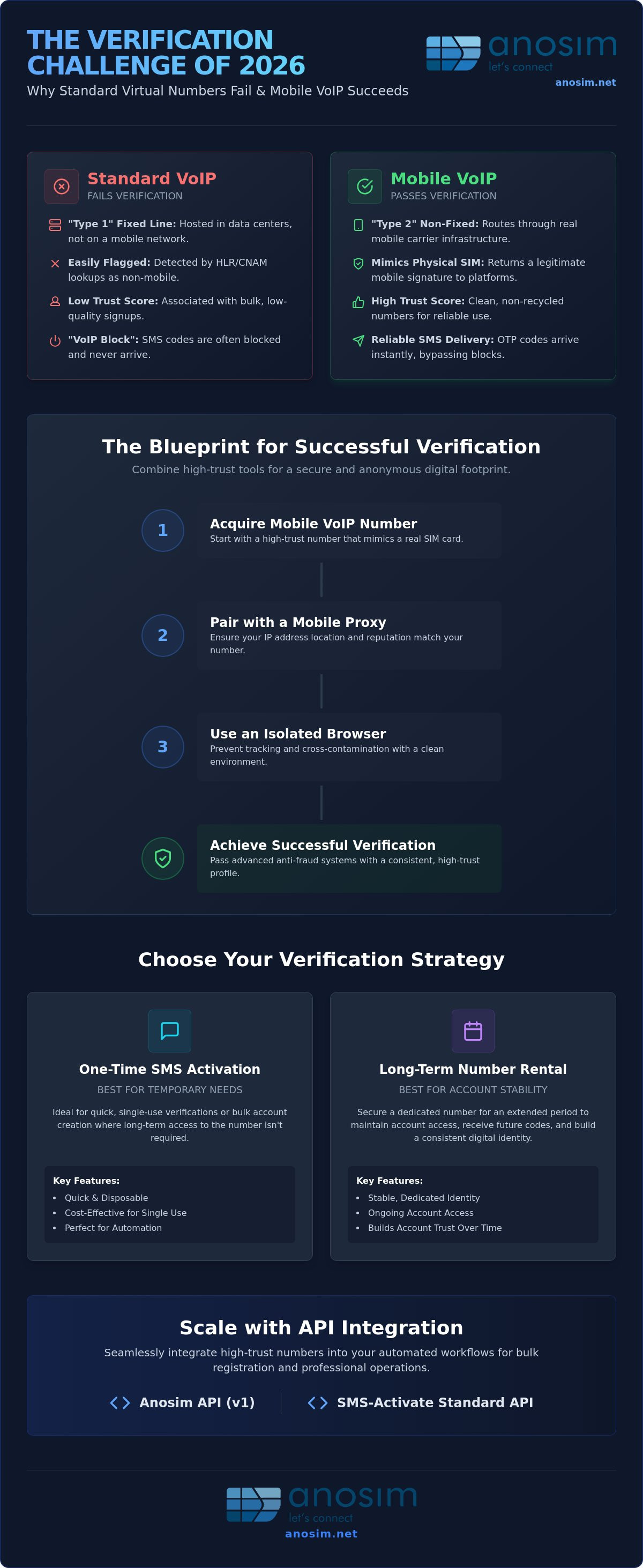
- Identify why standard virtual numbers are flagged by anti-fraud systems and how mobile-backed infrastructure bypasses the "VoIP block."
- Evaluate the technical benefits of mobile voip for account creation to ensure high trust scores during carrier-level database lookups.
- Implement a secure verification workflow by pairing mobile VoIP numbers with mobile proxies and isolated browser environments.
- Choose between one-time SMS activations for temporary needs and long-term number rentals for maintaining account stability.
- Automate bulk account registration workflows through the Anosim API (v1) or the SMS-Activate Standard API for seamless integration.
Table of Contents
- Why Standard VoIP Fails for Account Verification in 2026
- What is Mobile VoIP for Account Creation?
- Step-by-Step: Using Mobile VoIP for Successful Verification
- Strategic Comparison: SMS Activation vs. Long-Term Number Rental
- Scaling with Anosim: API Integration for Automated Workflows
Why Standard VoIP Fails for Account Verification in 2026
The landscape of digital verification has shifted toward extreme scrutiny. Most high-security platforms no longer accept basic virtual numbers because they lack the metadata associated with physical hardware. Standard services built on Voice over Internet Protocol (VoIP) are often categorized as "Type 1" or fixed lines. These are easily identified through database lookups as being hosted in data centers rather than on a mobile device. When you attempt to register on WhatsApp, Tinder, or Telegram with these numbers, the system triggers a "VoIP block" that prevents the SMS from ever being delivered.
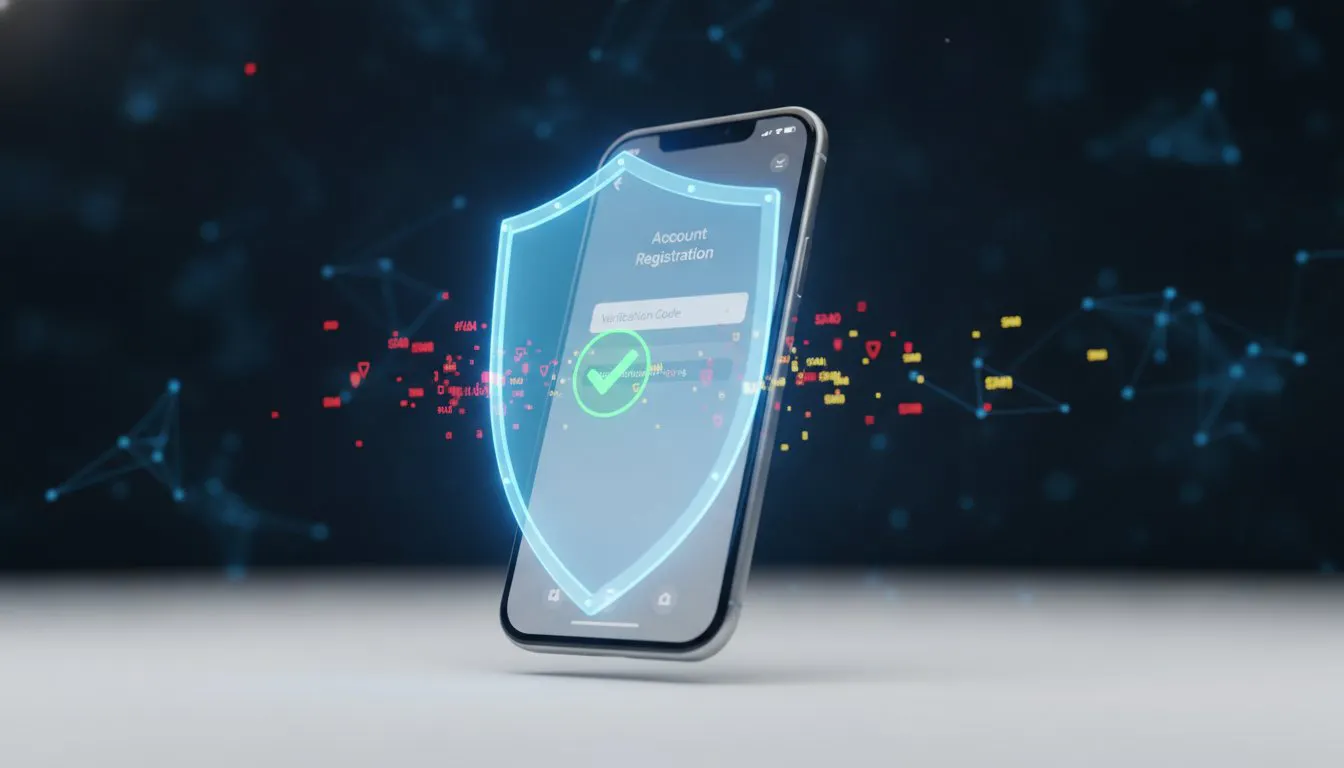
Modern anti-fraud systems rely on real-time Home Location Register (HLR) and CNAM lookups to verify a number's legitimacy. If the lookup reveals the number isn't assigned to a major mobile carrier, the account is flagged or immediately restricted. This is why using mobile voip for account creation is essential; it utilizes "Type 2" non-fixed numbers that mimic the behavior of a standard SIM card. These numbers carry the reputation scores required to pass through the sophisticated filters that platforms use to maintain their integrity in 2026.
How Platforms Detect Virtual Numbers
Apps identify virtual lines by checking the Range Provider of the incoming number. If the range belongs to a known bulk virtual provider, the trust score drops to zero. Reputation scores also extend to the IP addresses used during the signup process. If you use a "free" online SMS receiver, you're likely sharing a number that's already been blacklisted by thousands of other users. Professional environments require isolated, high-trust numbers that haven't been recycled across multiple high-risk platforms.
The Risk of Using Personal Numbers
Relying on your primary phone number for every digital service is a significant security liability. In 2026, the risk of SIM swapping remains high, where attackers hijack your number to bypass two-factor authentication on sensitive bank or email accounts. Additionally, your phone number serves as a universal digital identifier that trackers use to build a profile of your browsing habits and personal data. Your digital footprint is the persistent trail of verified metadata that links your physical identity to every online service you access. By using mobile voip for account creation, you decouple your personal life from your digital operations, ensuring that a leak on one platform doesn't compromise your entire identity.
What is Mobile VoIP for Account Creation?
Mobile VoIP for account creation isn't just a standard virtual line; it's a specialized communication layer that routes virtual numbers through real mobile network infrastructure. Unlike the "Type 1" fixed lines discussed previously, these numbers are backed by the same hardware and carrier protocols as the smartphone in your pocket. This technical architecture ensures that when a service like Google or Facebook queries the number via an HLR lookup, it returns a mobile carrier signature. For professional digital marketers and developers, this distinction is the difference between a successful signup and an immediate ban.
High-trust numbers offer real-time inbound SMS capabilities, which are essential for receiving One-Time Passwords (OTPs) without the lag often seen in lower-tier services. Global availability allows you to verify accounts in specific regions without needing physical presence or international SIM shipping. These tools are designed for those who value operational efficiency and technical robustness over the convenience of free, unreliable alternatives. Utilizing mobile voip for account creation allows you to scale your digital presence without the logistical burden of physical hardware.
The Anatomy of a High-Trust Virtual Number
A high-trust number is defined by its history and its metadata. Delayed delivery is a common failure point in standard VoIP, but professional mobile VoIP ensures real-time reception. According to the NIST Digital Identity Guidelines, SMS-based authentication faces specific risks regarding interception, which is why platforms prioritize numbers from established mobile networks over generic data center lines. Cleanliness is equally vital. Anosim ensures that numbers are fresh and haven't been recycled across multiple platforms, preventing the "this number is already registered" error that plagues low-quality providers.
Mobile VoIP vs. Residential Proxies
While both are essential for digital anonymity, they serve different functions. A virtual number establishes your identity for verification, while a proxy manages your location and IP reputation. Sensitive platforms look for consistency between these data points. If your phone number is from the United Kingdom but your IP address is from a data center in New York, the account will likely be flagged. The synergy between mobile VoIP and mobile proxies creates a consistent digital persona. If you need a reliable solution for long-term stability, you can Rent Mobile VoIP lines that remain dedicated to your specific use case. Using the mobile proxies of our partner proxied.com alongside Anosim virtual number rentals allows you to mimic the behavior of a real mobile user perfectly, which is the industry standard for bypassing automated fraud detection systems.
Step-by-Step: Using Mobile VoIP for Successful Verification
Successfully utilizing mobile voip for account creation requires more than just a functional line; it demands a clean digital environment. If you use a data center IP to register an account, the platform's anti-fraud system will likely flag you regardless of the number's quality. Start by setting up a fresh browser profile or using an anti-detect browser. Pair this with the Mobile Proxies of our partner proxied.com to ensure your IP address matches the carrier signature of your virtual number. This alignment is crucial for passing the silent background checks that many apps perform during the registration phase.
Choosing the right service model is the next strategic decision. For one-time signups, an SMS Activation is the most cost-efficient path. However, if the platform requires ongoing access for security checks or 2FA, you should Rent Mobile VoIP lines on a long-term basis. This prevents you from being locked out of your account if a re-verification request occurs. The increasing implementation of the FCC's STIR/SHAKEN framework has made it harder for low-quality virtual numbers to bypass filters, as platforms now demand higher levels of number authentication and caller ID integrity.
Workflow for Manual Account Creation
Follow this methodical process to ensure your verification succeeds on the first attempt:
- Log into your Anosim dashboard and select your target country and the specific service you wish to register.
- Once you receive the number, copy it and enter it into the app's signup field immediately.
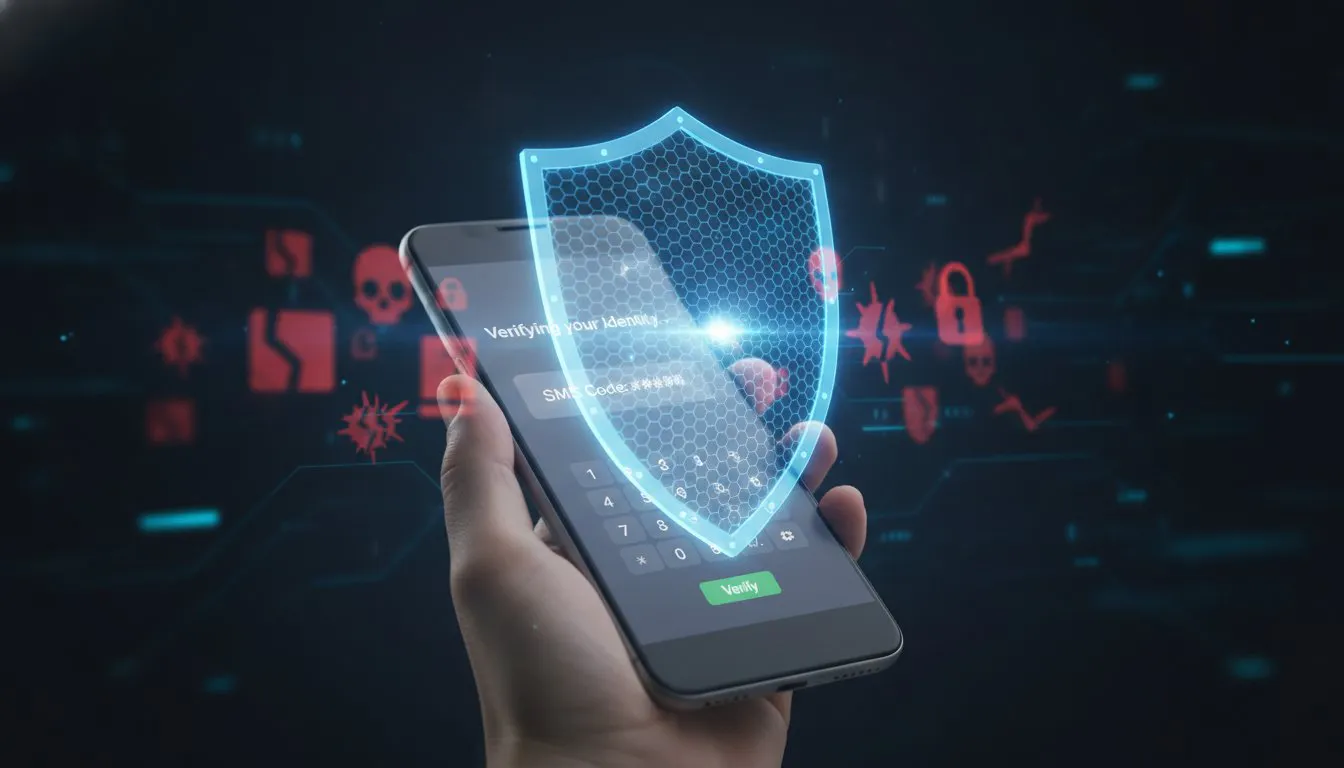
- Keep the Anosim inbound SMS panel open to monitor for the OTP verification code, then enter it into the app to complete the process.
If you encounter an "Invalid Number" error, it often means the platform has detected an inconsistency in your environment, such as a mismatched time zone or a leaked WebRTC address. Clear your cache and try a different mobile proxy node before attempting the verification again. Most "SMS Not Received" issues are solved by ensuring your browser's location data matches the number's country of origin.
Maximizing Account Longevity
Account stability is often determined in the first 72 hours after registration. If you've used mobile voip for account creation, don't jeopardize that trust by logging in from a blacklisted or static data center IP. Maintain the same mobile proxy connection for the first few sessions to build a "warm" history. For accounts that handle sensitive data or financial transactions, a long-term Rent Number service is superior. It ensures that you are the sole owner of the number's reputation and that no other user can trigger a block on that specific line. Managing multiple accounts requires strict isolation; never use the same recovery email or proxy for different identities, as anti-bot algorithms excel at identifying linked footprints.
Strategic Comparison: SMS Activation vs. Long-Term Number Rental
Choosing the right tool for mobile voip for account creation depends entirely on your operational goals. If you're managing a high volume of social media profiles for a short-term campaign, your needs differ significantly from a business owner protecting a primary communication channel. The decision typically comes down to a choice between an immediate, disposable activation and a persistent, dedicated rental. Each path offers distinct advantages based on the lifecycle of the accounts you're building.
One-Time SMS Activation: The Tactical Choice
An SMS Activation is designed for speed and cost-efficiency. It provides a single-use number to receive an OTP and verify an account instantly. This method is highly effective for platforms like Tinder or Telegram where you might need to deploy multiple profiles quickly without a long-term commitment. It's the most pragmatic solution for "burner" accounts that don't hold significant long-term value.
- Pros: Minimal upfront cost; instant availability; perfect for high-volume deployments.
- Cons: No access to the number after the session expires; impossible to re-verify if the account triggers a security check later.
One-time activations are the ideal choice for creating large batches of accounts where individual longevity is less important than immediate operational volume.
Virtual Number Rental: The Strategic Asset
For business-critical accounts, a Rent Number service is a more robust investment. This option provides you with exclusive access to a mobile VoIP line for 30 days or longer. It's the primary way to maintain 2FA access over time, ensuring that you aren't locked out during a routine security audit or a password reset. Utilizing mobile voip for account creation through a rental model builds a stronger trust history with the platform, as the number remains consistently associated with your identity.
- Pros: Persistent access for recurring 2FA; supports long-term account management; builds higher trust scores with anti-fraud systems.
- Cons: Higher periodic cost compared to single activations; requires monitoring rental periods to prevent service interruption.
Anosim’s rental service supports business-scale digital operations by providing the infrastructure needed for account stability. When you Rent Mobile VoIP lines for the long term, you're securing a dedicated digital asset. This is vital for fintech apps or primary marketing accounts that require a consistent, reliable identity. Many professionals use a hybrid approach, utilizing single activations for testing and secondary accounts while reserving long-term rentals for their high-value infrastructure.
Scaling with Anosim: API Integration for Automated Workflows
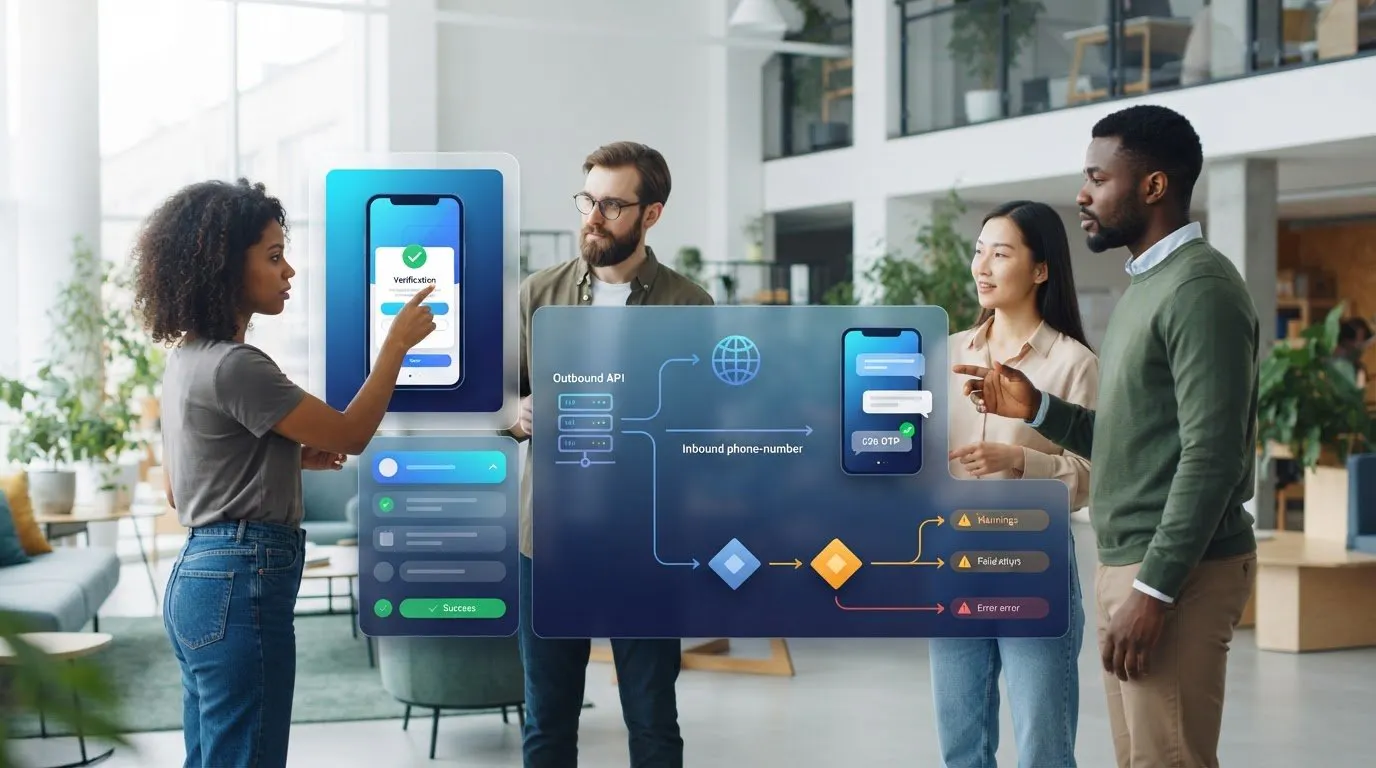
Manual verification is sufficient for small-scale operations, but professional growth requires programmatic efficiency. Scaling a digital footprint involves managing hundreds or thousands of identities simultaneously. The Anosim API (v1) provides the necessary infrastructure to automate this process. It allows developers to bypass manual dashboard interactions and request numbers directly through their software. For those already using established workflows, Anosim offers full compatibility with the SMS-Activate Standard API. This ensures a seamless migration without the need to rewrite your entire codebase.
Automation is particularly effective for high-volume account farms where speed is a priority. By integrating mobile voip for account creation into your stack, you can trigger number acquisition and SMS retrieval in a single, automated loop. This reduces the time spent on each registration and minimizes human error. The API also provides endpoints for monitoring your balance and rental status, ensuring that business-critical accounts never lose their 2FA access due to an expired rental period. Managing these variables through a centralized script allows for a level of operational control that manual methods cannot match.
Developer Quick-Start Guide
Integrating with Anosim is designed to be straightforward for teams with a baseline level of technical literacy. First, generate your unique API key within your account settings to authenticate your requests. A typical programmatic request for a mobile VoIP number involves sending a request to the specific service endpoint, including your API key and the desired country code. Once the number is assigned, your system can begin polling for inbound verification codes. This allows your application to capture the OTP automatically and complete the signup process without manual intervention. This scenario-solution framework is the industry standard for maintaining a high-velocity mobile voip for account creation workflow.
Why Anosim is the Infrastructure Choice for 2026
Reliability is the most important factor when choosing a partner for virtual communications. Anosim functions as a silent partner, providing the high-trust mobile infrastructure required to navigate increasingly complex security protocols. With global coverage and a focus on inbound SMS for OTP, the platform ensures that your automated workflows remain stable and undetected. Privacy is a core component of this infrastructure, as every number is isolated to prevent cross-account contamination. This focus on technical robustness over flashy marketing makes it the preferred tool for enterprise-level use cases. Ready to scale? Integrate the Anosim API today.
Future-Proof Your Verification Strategy
The shift toward stricter carrier-level checks means that traditional virtual lines are no longer a viable solution for professional growth. Utilizing mobile voip for account creation ensures that your digital identities are backed by the high-trust mobile infrastructure required to pass modern anti-fraud filters. Success in this environment depends on technical consistency, specifically the alignment of your verification number with clean mobile proxies and isolated browser environments. Whether you're deploying high-volume campaigns or maintaining business-critical assets, choosing the right tool for the job is the most important step.
Anosim provides the worldwide coverage and high-trust mobile IP infrastructure necessary for global operations. Our platform is fully API-compatible with the SMS-Activate Standard, allowing you to automate procurement and scale your workflows without friction. By decoupling your personal data from your professional tasks, you maintain the anonymity and security required to operate effectively in an increasingly regulated landscape. It's time to move beyond unreliable services and build your digital footprint on a foundation of technical robustness. Secure your next account with Anosim Mobile VoIP today and gain the operational edge your business needs.
Frequently Asked Questions
Can I use mobile VoIP for WhatsApp verification?
Yes, you can use mobile VoIP for WhatsApp verification if the number is categorized as a non-fixed mobile line. Standard virtual numbers often fail because WhatsApp detects the data center origin. By using a mobile-backed line, the platform sees a legitimate carrier signature, which is the standard requirement for successful account creation in 2026.
How long can I rent a mobile VoIP number for?
Rental periods depend on your specific operational needs. You can choose a one-time SMS Activation for instant use or a Rent Number service for 30 days or longer. Long-term rentals are the preferred choice for maintaining 2FA access on business-critical accounts, ensuring you don't lose access if the platform requests a security re-verification later.
What is the difference between a virtual number and a mobile VoIP number?
A standard virtual number is typically a fixed line hosted in a data center. In contrast, mobile VoIP is routed through mobile network infrastructure to provide a carrier-grade signature. Using mobile voip for account creation provides a higher trust score because it mimics the metadata of a physical SIM card, making it less likely to be flagged by anti-fraud systems.
Why am I not receiving the SMS code on my virtual number?
SMS codes often fail to arrive because of an environmental mismatch or a VoIP block. If your IP address doesn't match the number's country or if you're using a data center proxy, the platform may silently block the message. Using a high-quality mobile proxy alongside your virtual number is the most effective way to troubleshoot delivery issues and ensure the OTP arrives.
Is it legal to use a virtual number for account creation?
Using virtual numbers for account creation is legal for protecting your digital privacy and managing professional operations. While it's a legitimate tool for anonymity, you must still comply with the terms of service of the platform you're joining. It's a standard practice for developers and marketers who need to separate their personal data from their digital infrastructure to avoid tracking.
Can I use these numbers for outgoing calls or texts?
No, these numbers are specifically designed for inbound SMS verification and account stability. Anosim does not support outgoing SMS or voice calls. The service focus is on providing a secure, silent infrastructure for receiving OTP codes and maintaining the identity layer of your digital accounts without the need for physical hardware or SIM card delivery.
How do I ensure my accounts don’t get banned after verification?
To prevent bans, you must maintain a consistent digital identity. This involves using the same mobile proxy for every login and avoiding blacklisted IP addresses. If you've used mobile voip for account creation, don't trigger security flags by switching geographic locations or using browser profiles with leaked WebRTC data. Isolation and consistency are the keys to long-term account longevity.
Does Anosim support API integration for bulk SMS activation?
Yes, Anosim supports full API integration through the Anosim API (v1) and the SMS-Activate Standard API. This allows developers to automate bulk SMS activations and manage number rentals programmatically. It's the ideal solution for scaling account farms or integrating secure verification directly into your existing software stack for maximum efficiency and reduced manual labor.