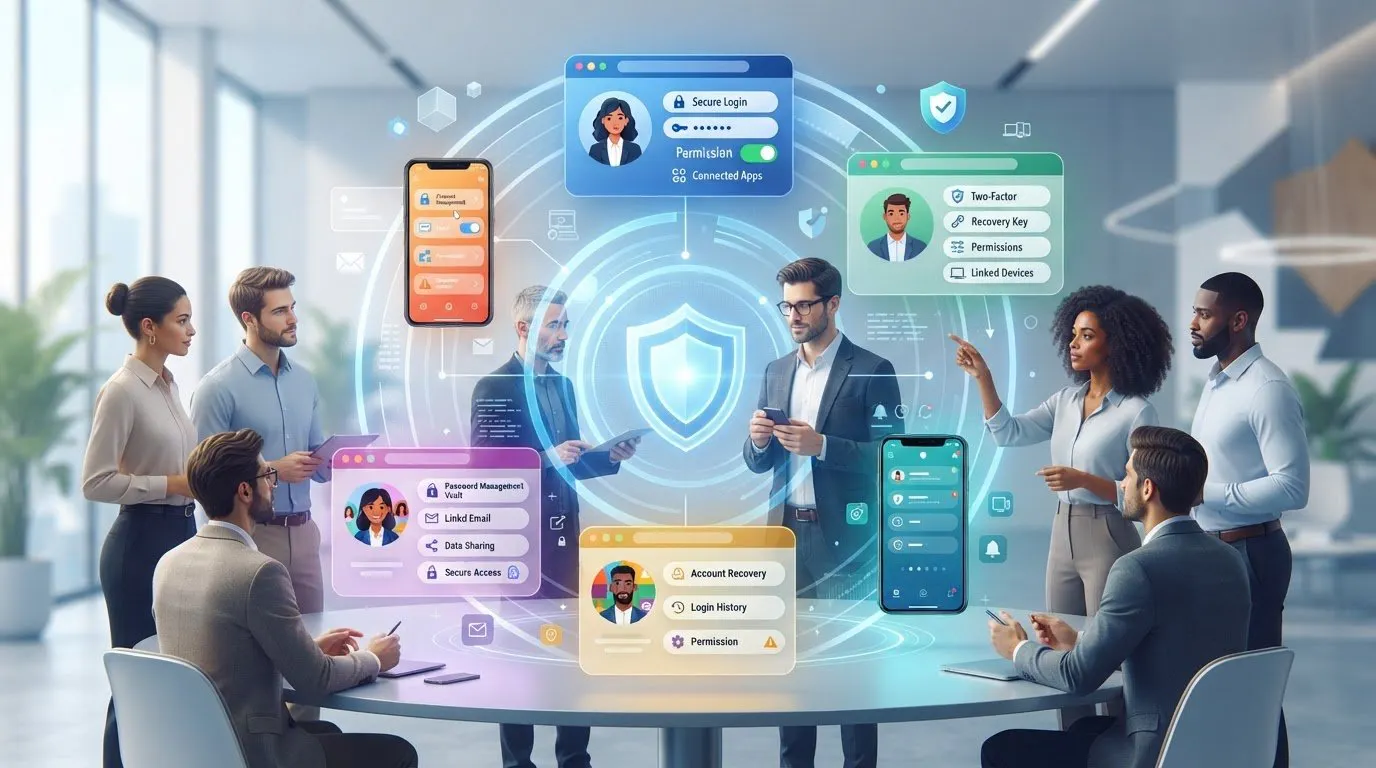
In 2026, your personal phone number is no longer just a contact method; it's a legal anchor that ties your physical identity to every digital account you create. With regulations like Mexico's biometric SIM mandate now in full effect, the window for true privacy is closing fast. You've likely experienced the frustration of constant marketing spam or the sting of an account ban after using a "free" virtual number that was already blacklisted by major platforms.
It's a common struggle for anyone who values data security. You want to access services without handing over a direct line to your private life. This guide explains how to leverage a professional anonymous sms receiver to bypass invasive verifications and secure your digital footprint. You'll learn how to choose between one-time activations and long-term number rentals to ensure your accounts remain active and untraceable. We will also cover the technical shift toward mobile VoIP and how to use dedicated APIs to automate your privacy at scale.
Key Takeaways
- Understand why a professional anonymous sms receiver is the primary tool for decoupling your real-world identity from digital accounts in an era of mandatory SIM registration.
- Learn the technical differences between standard virtual numbers and high-trust Mobile VoIP to ensure your verifications aren't flagged by security-sensitive platforms.
- Determine when to use a one-time SMS Activation for quick signups versus a long-term Rent Number service for accounts requiring ongoing stability.
- Master the 2026 verification checklist, including how to pair virtual numbers with Mobile Proxies to maintain a consistent geographical profile.
- Discover how to automate your privacy workflows using the Anosim API for programmatic access to global inbound SMS resources.
What is an Anonymous SMS Receiver and Why Is It Essential in 2026?
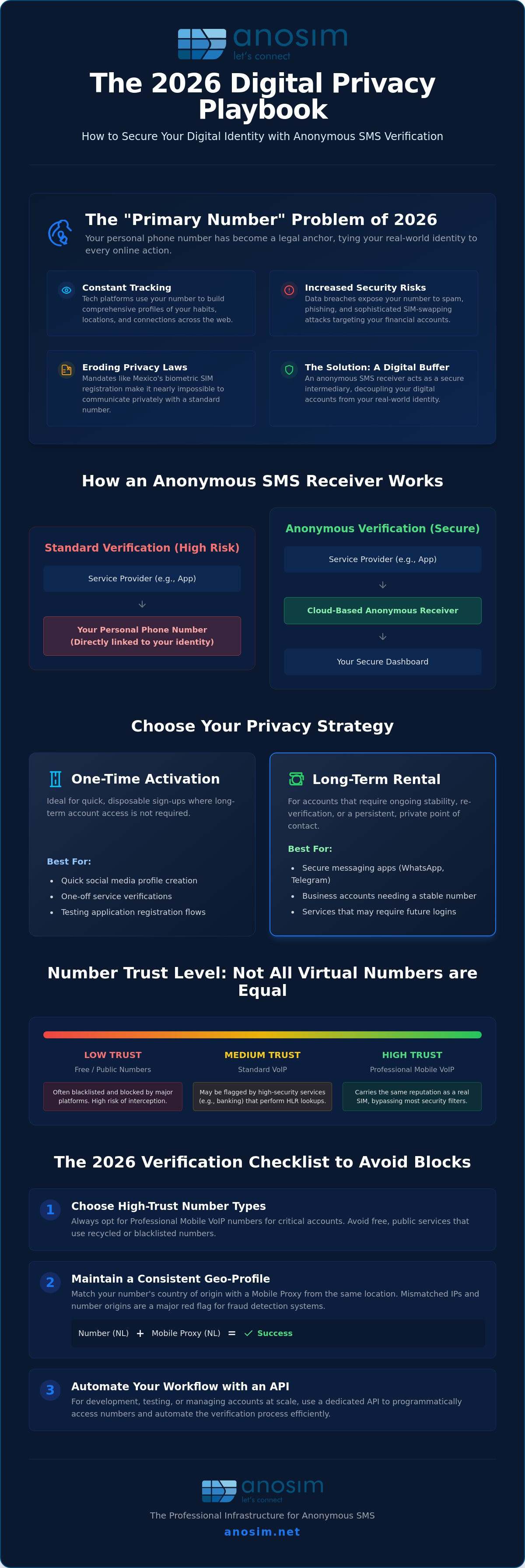
An anonymous sms receiver is a cloud-based gateway that intercepts inbound SMS messages without requiring a physical SIM card or a mobile handset. In technical terms, it serves as a digital buffer between a service provider's verification system and your personal identity. While traditional mobile numbers are hard-wired to your name and address through carrier contracts, these virtual interfaces operate as a layer of abstraction. They allow you to receive a verification code, view it on a secure dashboard, and complete a signup process without ever exposing your primary device.
The necessity of this tool has peaked in 2026 due to the "Primary Number" problem. Your real phone number is no longer just a contact point; it's a digital fingerprint. Major tech platforms use it to cross-reference your activity across the web, building a comprehensive profile of your habits and locations. When you provide your personal number to a new app, you're often unknowingly consenting to its inclusion in massive marketing databases. If that platform suffers a data breach, your number becomes a target for SIM swapping attacks, where hackers convince a carrier to port your number to their device to bypass two-factor authentication on your bank accounts.
Privacy laws are also shifting the landscape. For instance, Mexico's 2026 biometric mandate requires mobile lines to be linked to physical identifiers, making truly private communication nearly impossible with local SIMs. Using a professional receiver allows you to maintain a "Privacy-First" tech stack by keeping your sensitive accounts isolated from your government-registered identity.
The Anatomy of a Virtual Phone Number
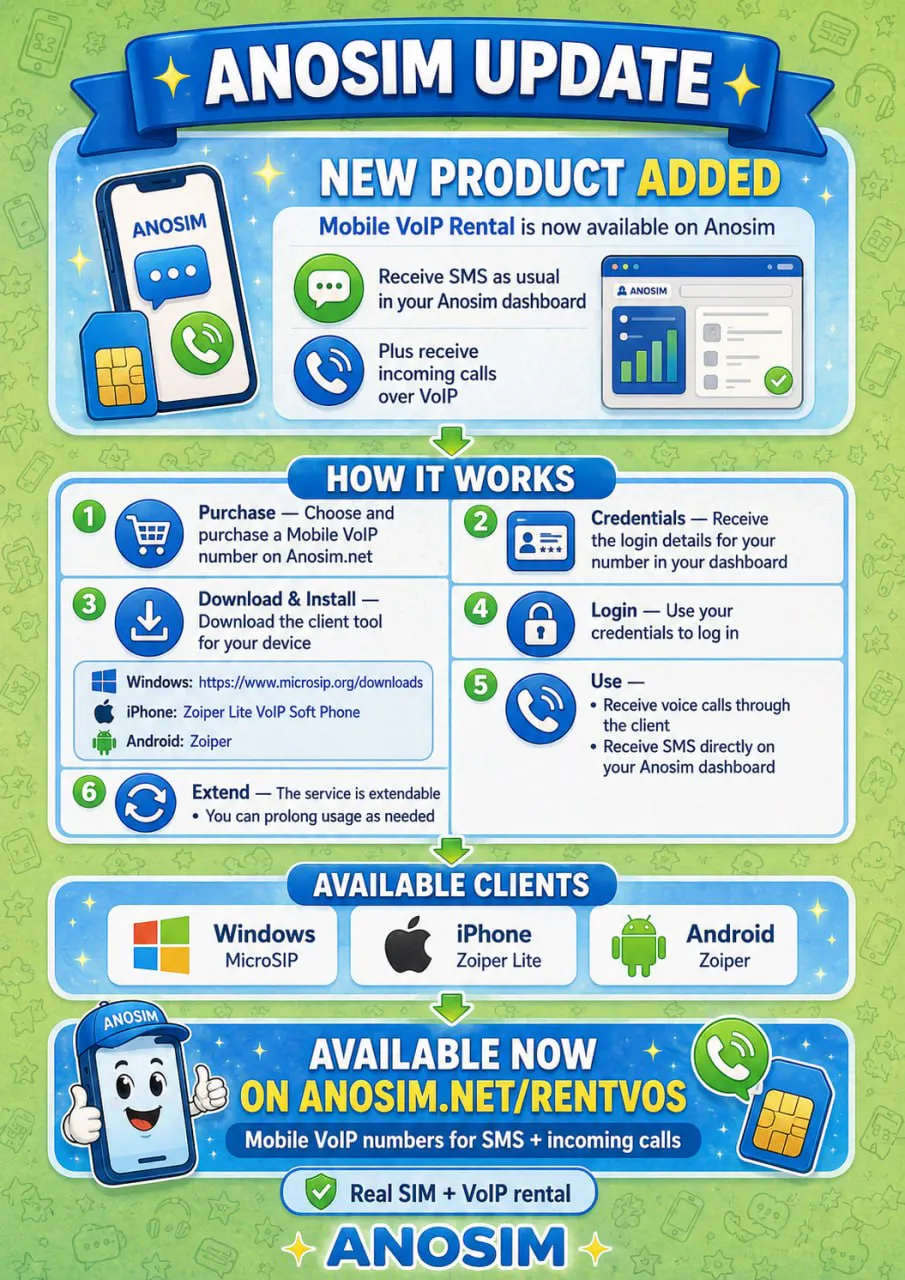
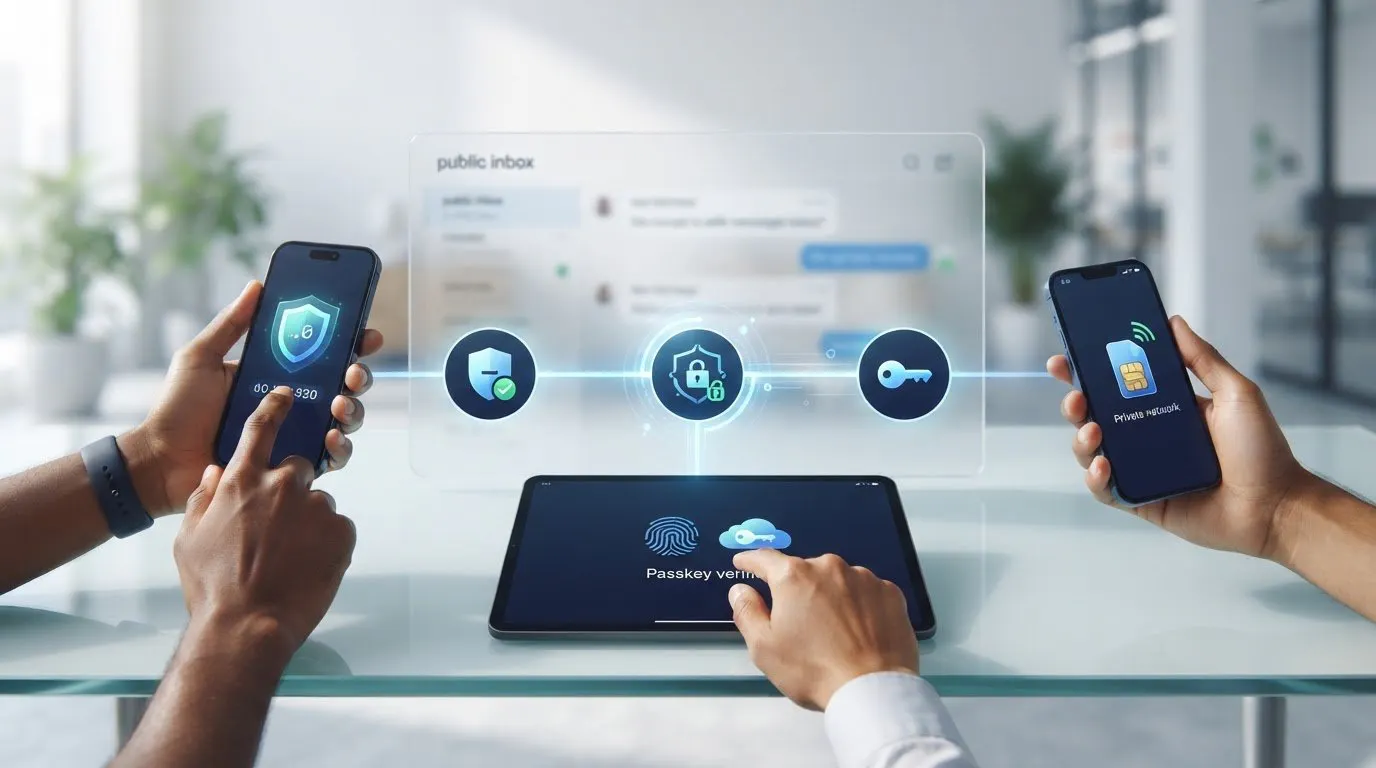
Cloud-based numbers function by routing cellular signals through an internet gateway. This technology behind anonymous SMS allows the data to be displayed on a web interface rather than a physical screen. It's vital to distinguish between standard VoIP numbers and high-trust options like Rent Mobile VoIP. While basic virtual ranges are often flagged by security-conscious platforms, mobile-sourced numbers carry the same reputation as a physical handset. You should avoid free public lists, as these numbers are frequently logged by attackers to intercept your incoming codes.
Top Scenarios for Using Anonymous SMS
- Social Media Privacy: Bypassing phone verification on platforms like Tinder or X to prevent your profile from being suggested to your real-world contacts.
- Secure Messaging: Creating secondary Telegram or WhatsApp accounts for business or sensitive communications without linking them to your personal line.
- Development and Testing: Developers use these tools to test registration flows at scale. It's an efficient way to verify app logic without exhausting personal assets or triggering automated fraud blocks.
The Technology Behind the Screen: How Anonymous SMS Works
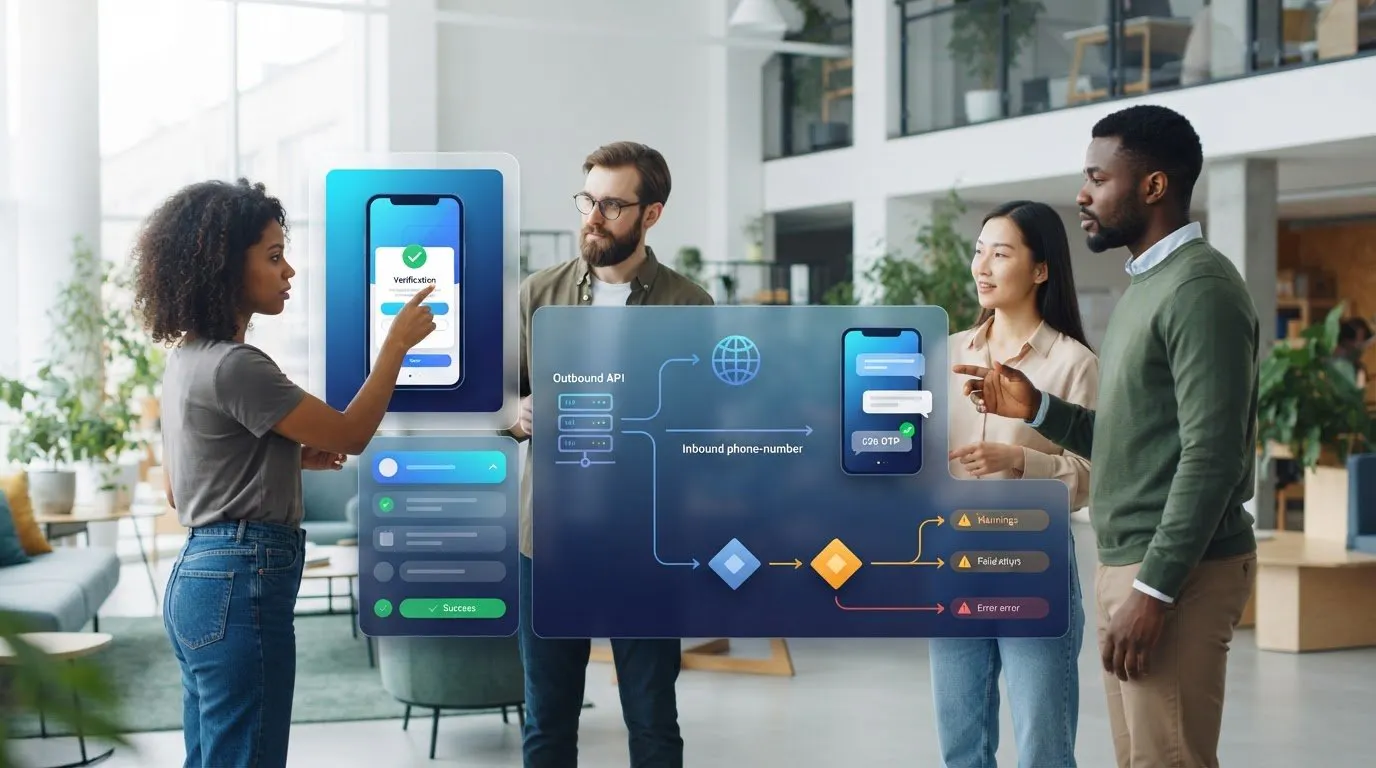
The journey of a verification code from a service provider to your screen involves a sophisticated handoff between cellular protocols and web-based APIs. When a platform like WhatsApp sends an OTP, it travels through the Public Switched Telephone Network (PSTN) until it reaches a specialized SMS gateway. This gateway translates the signaling protocol into a digital data packet, which is then routed directly to your dashboard. This process happens in seconds, allowing you to use an anonymous sms receiver to access messages without needing a physical SIM card or a mobile handset nearby.
Trust levels vary significantly between different types of virtual numbers. Standard virtual numbers are often classified as VoIP, which many high-security platforms block by default. Financial institutions and banking apps frequently perform HLR (Home Location Register) lookups to determine if a number is tied to a real mobile device. If the lookup returns a "Virtual" status, the system may reject the verification attempt. Utilizing Rent Mobile VoIP services helps bypass these filters by providing numbers that carry the same reputation as a legitimate consumer mobile line.
IP Reputation and Number Trust
Modern verification systems don't just look at the phone number. They also analyze the IP address used during the signup process. If you use an anonymous sms receiver from the Netherlands but your digital request originates from a data center in a different country, the platform will likely flag the attempt as a bot. Matching your number's origin with Mobile Proxies creates a consistent geographical profile that reduces the risk of account bans. This practice aligns with the latest digital identity guidelines, which advise platforms to evaluate the full context of every authentication attempt to prevent fraud.
The API Layer: Automating Anonymity
For developers and high-volume users, manual message retrieval is inefficient. The Anosim API (v1) provides a robust infrastructure for those who need to manage multiple accounts simultaneously. It's designed for seamless integration, offering full compatibility with the SMS-Activate Standard API for users who are migrating existing tools or scripts. The API enables your software to programmatically request a number, listen for the incoming OTP, and feed it into a registration field without any manual intervention.
Disposable Activation vs. Long-Term Rental: Choosing Your Strategy
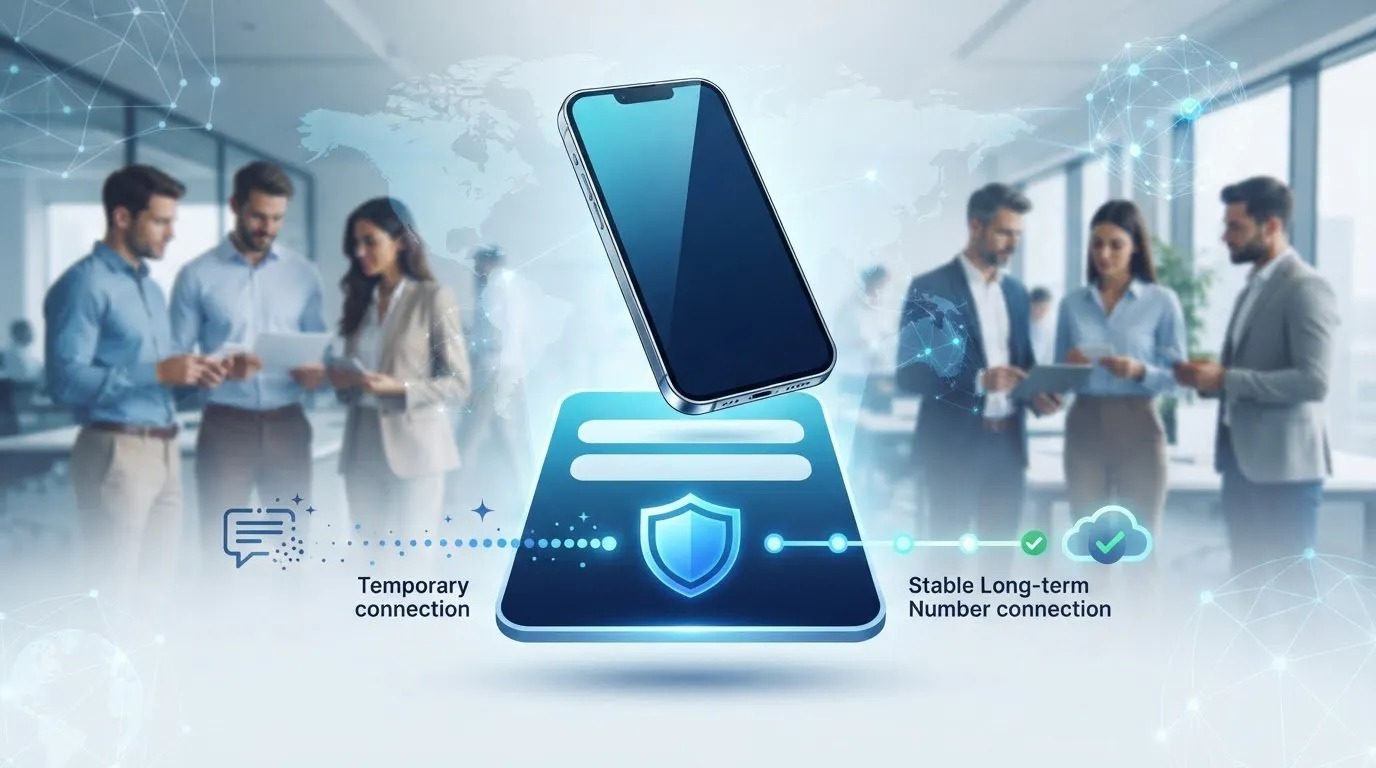
Deciding on the right anonymous sms receiver strategy depends entirely on your operational goals. Not every digital account requires the same level of persistence or trust. If you're simply trying to access a one-time discount code or a low-stakes forum, a single-use SMS Activation is the most efficient path. However, if you are building a digital presence on platforms like Telegram or managing business-critical tools, a temporary number is rarely sufficient. You must match the tool to the intended longevity of the account to avoid permanent lockouts.
The cost-benefit analysis shifts based on the platform's security protocols. While a single activation is inexpensive, the cumulative cost of replacing banned accounts often exceeds the price of a dedicated rental. High-security apps frequently trigger re-verification checks if they detect a change in your login pattern or IP address. If you cannot access the original number to receive a second code, your account and the data within it are effectively lost. Professional users prioritize stability over the lowest entry price.
When to Use SMS Activation
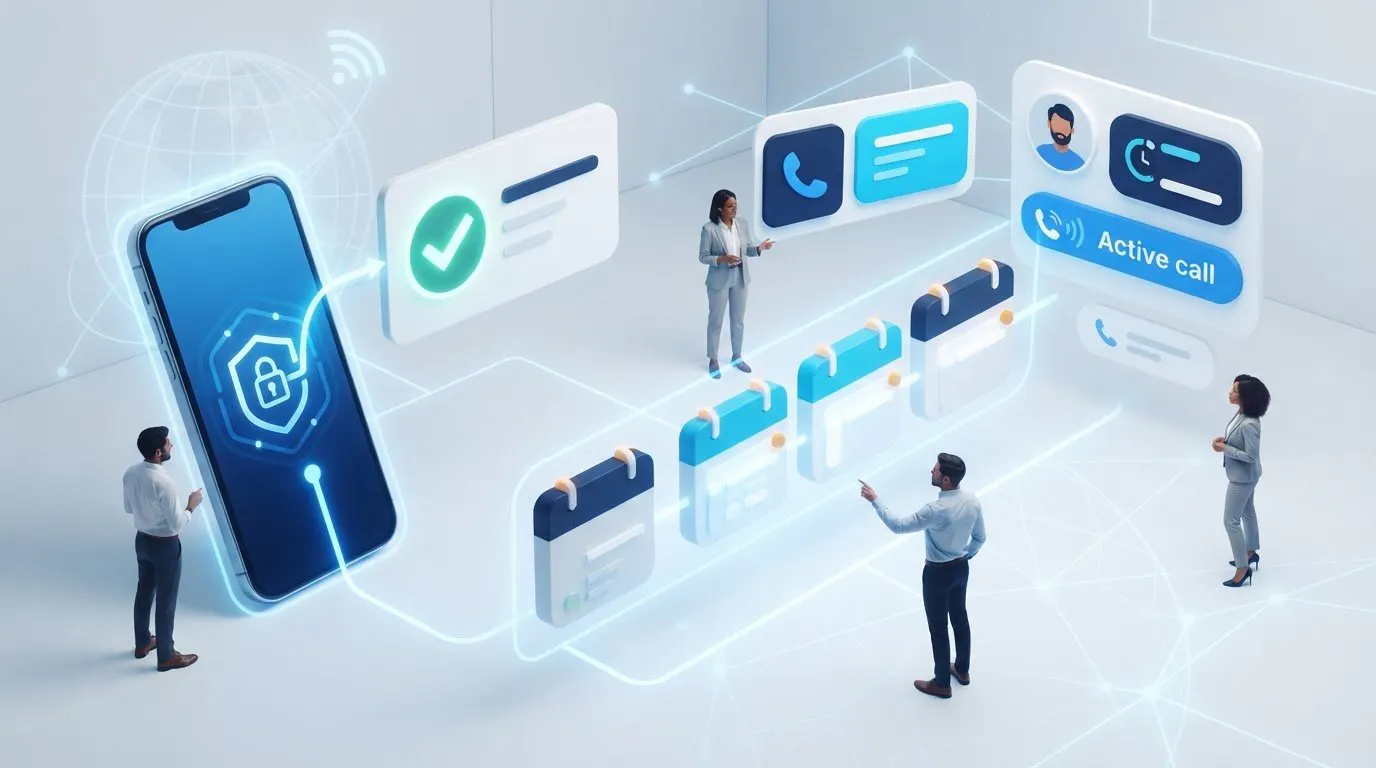
SMS Activation is a transactional service designed for speed and volume. You request a number for a specific service, receive the code, and the session expires shortly after. This is the ideal choice for burner accounts and one-off promo code registrations. The process is streamlined to deliver a code in under 60 seconds, making it perfect for developers testing registration flows or users who need to bypass a single gate. The primary trade-off is the lack of future access; once the activation window closes, the number is returned to the pool and cannot be reused by you.
The Case for Dedicated Virtual Number Rental
High-value accounts require a persistent link to a phone number to ensure long-term access. When you use a Rent Number service, you're securing a dedicated asset that remains assigned to your account for the duration of your term. This is essential for maintaining a consistent digital identity across multiple sessions and devices. If a platform like WhatsApp or a business tool requires a security check weeks after the initial signup, your dedicated rental will be available to receive the inbound message.
Anosim’s Rent Number service is preferred for professional operations because it provides this infrastructure without the baggage of a physical contract. It allows you to manage multiple numbers from different regions through a single dashboard, ensuring your accounts remain stable and accessible. For accounts that serve as the foundation of your digital workflow, relying on a disposable number is a significant security risk. By choosing a dedicated rental, you eliminate the re-verification trap and ensure your digital assets remain under your control.
How to Receive SMS Online Without Getting Blocked: A 2026 Checklist
Successful account creation in 2026 requires more than just a virtual number. Sophisticated bot detection algorithms now analyze your entire digital environment before allowing a verification to proceed. If you want to use an anonymous sms receiver effectively, you must synchronize your geographical and technical data points. Following a methodical checklist ensures that your account isn't flagged as fraudulent during the initial signup phase.
- Step 1: Select the correct country and service type. Log into your dashboard and choose a number that matches the specific platform you're targeting. Selecting the "Any Other" option for a high-security app like Google or WhatsApp often leads to immediate rejection.
- Step 2: Match your IP location. Use Mobile Proxies that correspond to the country code of your virtual number. If you're using a French number but your browser traffic originates from a US data center, the platform's security system will likely block the request.
- Step 3: Sanitize your browser environment. Clean your browser cache and cookies or use a privacy-focused browser like Brave or Librewolf. Persistent tracking cookies can link your new anonymous attempt to previously banned or personal accounts.
- Step 4: Execute and monitor. Enter the number into the target app and immediately monitor your dashboard. Most professional platforms provide a 15 to 20 minute window for the OTP to arrive before the session expires.
Avoiding Common Verification Pitfalls
Free public numbers are the most common cause of failure. These numbers are shared by thousands of users, and most major platforms have already blacklisted their specific ranges. You'll frequently encounter "This number is already in use" or "This number is invalid" errors. If a code doesn't arrive within two minutes, don't wait indefinitely. The "Try Another Number" rule is essential; simply cancel the current activation and request a fresh number. Professional systems don't charge for activations that fail to receive an SMS, so there's no penalty for cycling through numbers until you find a clean one.
Security Best Practices for Anonymous Accounts
Once you've successfully bypassed the verification gate, you must secure the account to prevent future lockouts. Enabling 2FA (Two-Factor Authentication) within the app's settings is a critical first step. This prevents anyone else who might eventually get assigned that number from accessing your account. Additionally, never link your real personal email address as a recovery option for an anonymous account. This creates a permanent link between your identity and the profile you're trying to keep private. For high-volume operations, rotating your mobile proxies regularly helps maintain a low-risk profile and prevents platforms from grouping your accounts together.
Anosim: The Professional Infrastructure for Anonymous SMS
Anosim functions as a silent partner for privacy advocates and enterprise users who require a high-utility anonymous sms receiver. While consumer-grade platforms often prioritize flashy marketing, this infrastructure focuses on technical robustness and operational efficiency. It provides a gateway to a global network of numbers. This allows you to establish a digital presence across diverse regions, which is essential for bypassing geo-restrictions or complying with strict platform-specific verification requirements. Having access to numbers from dozens of countries ensures you aren't limited by local regulations or network blacklists.
Scaling with the Anosim API
Automation is a necessity for modern marketing, security research, and software testing. The Anosim API (v1) enables programmatic acquisition of numbers and seamless retrieval of OTPs, removing the friction of manual dashboard monitoring. It also maintains full compatibility with the SMS-Activate Standard API. This ensures that developers can migrate existing scripts or third-party tools without a complete codebase overhaul. Professional APIs offer significantly higher uptime and delivery rates than manual methods or public number lists. Anosim provides the necessary technical infrastructure to support enterprise-level bulk SMS activation for users who need to manage large-scale account portfolios across multiple platforms.
Reliability is a core feature of the service. By integrating Mobile Proxies directly into the privacy stack, Anosim solves the IP reputation problem mentioned earlier in this guide. This multi-layered approach ensures that your digital fingerprint remains consistent. When your IP address and virtual number originate from the same region, the likelihood of a security flag drops significantly. This is a critical advantage for those managing accounts on platforms with aggressive anti-fraud systems.
Getting Started with Your First Anonymous Number
The onboarding process is designed to be fast and pragmatic. New users can immediately select the service type that fits their specific duration requirements. If you need a quick verification for a disposable account, the SMS Activation service is the most efficient choice. For business-critical tools or messaging apps that require periodic re-verification, the Rent Number service provides the long-term stability you need. You don't have to deal with the baggage of a physical contract or a regional SIM card.
The path to digital privacy shouldn't be complicated. By selecting your region and service type through a unified interface, you can secure a dedicated communication line in seconds. Secure your digital identity today with Anosim.
Secure Your Digital Footprint for the Future
The digital landscape of 2026 demands a proactive approach to data security. As platforms increase their reliance on phone numbers as a primary identity anchor, the risks of data leaks and SIM swapping grow accordingly. Utilizing a professional anonymous sms receiver is the most efficient way to maintain operational privacy while navigating modern account verifications. By choosing between disposable activations for one-off tasks and long-term number rentals for stable accounts, you ensure your digital assets remain under your control.
Reliability comes from using a technical stack designed for high-trust environments. Anosim offers the infrastructure necessary for both individual privacy and enterprise scaling. With features like API v1 for high-volume automation, Mobile Proxy integration for maximum trust, and full compatibility with the SMS-Activate Standard API, you have the tools to manage your footprint without technical friction. It's a pragmatic solution for a complex problem that values results over empty promises.
Protect your privacy-get an anonymous SMS receiver now at Anosim. Taking control of your digital identity today ensures your personal data remains private tomorrow.
Frequently Asked Questions
Is using an anonymous SMS receiver legal?
Using an anonymous sms receiver is legal in the vast majority of jurisdictions as a tool for personal privacy and data protection. It's a standard method for users to manage their digital footprint and avoid aggressive marketing or data harvesting. You should, however, remain aware of local telecommunications laws, such as Mexico's recent mandate for biometric registration, which can impact how virtual numbers are regulated in specific regions.
Why do some apps reject my virtual phone number?
Most platforms perform HLR (Home Location Register) lookups to determine if a number is a standard mobile line or a virtual VoIP range. If the system identifies a number as a low-trust virtual line, it may reject the verification attempt to prevent automated bot registrations. Utilizing high-trust Rent Mobile VoIP options is the most effective way to bypass these filters, as these numbers carry the same reputation as a physical handset.
Can I receive SMS from any country using Anosim?
Anosim provides extensive global coverage for inbound SMS, allowing you to select numbers from a wide variety of regions across the world. This diversity is essential for bypassing geo-restricted content or complying with platforms that require a local phone number for account creation. You can manage multiple international numbers simultaneously through the centralized dashboard or via API integration.
What is the difference between a virtual number and a mobile VoIP number?
A standard virtual number is often a cloud-based line that isn't directly tied to a cellular carrier's physical infrastructure. A Rent Mobile VoIP number is sourced from real mobile network hardware, making it appear more legitimate to security algorithms. Because mobile VoIP numbers carry higher trust scores, they are significantly more successful at passing verifications on high-security platforms like Telegram or WhatsApp.
How long can I keep an anonymous number for verification?
The duration of your access depends on the specific service you select. An SMS Activation is a disposable, short-term session designed for a single verification code, typically lasting around 20 minutes. If you need a number for long-term account stability or periodic re-verification, the Rent Number service allows you to keep the asset for days or months depending on your subscription.
Can I use an anonymous SMS receiver for bank verifications?
Financial institutions have the most stringent security protocols and often block any number they identify as virtual or non-fixed. While an anonymous sms receiver is ideal for social media and retail signups, bank verifications are less predictable and often require numbers linked to a verified physical identity. For the best chance of success with sensitive accounts, we recommend using a dedicated Rent Mobile VoIP service.
What should I do if the SMS code does not arrive?
If the OTP doesn't appear on your dashboard within two minutes, the most efficient solution is to cancel the request and try another number. This delay can happen if the target platform has temporarily throttled a specific number range or if there is a network routing issue. Since professional services only charge for successful activations, you can cycle through numbers until you find one that is accepted.
Do I need a VPN or Proxy to use an anonymous SMS service?
You don't need a VPN to access the Anosim dashboard, but using Mobile Proxies during the account registration process is highly recommended. Platforms often flag accounts if the user's IP address doesn't match the geographical origin of the phone number. Matching your digital location with your virtual number creates a consistent profile that significantly reduces the likelihood of an immediate account ban.