In 2026, your personal phone number is no longer just a communication tool. It’s a master key that data brokers and hackers use to unlock your entire digital identity. You’ve likely felt the frustration of a temporary phone number for verification failing because the service used low-quality VoIP. It’s exhausting to deal with platforms like Tinder or Telegram that block these numbers, leaving you stuck behind a digital wall while your primary data is leaked to data harvesters.
This guide will show you how to secure your digital accounts and bypass intrusive phone requirements without compromising your personal data. You'll learn how to handle the newly implemented FCC 2026 KYC regulations while maintaining operational efficiency. We will also cover the transition toward high-trust, non-VoIP solutions and rental services that ensure your accounts stay active and your digital footprint remains strictly under your control.
Key Takeaways
- Learn how a temporary phone number for verification acts as a digital shield to prevent data brokers from linking your personal information across platforms.
- Discover the technical differences between VoIP and mobile-backed numbers to bypass strict verification filters on apps like Tinder and Telegram.
- Avoid the security pitfalls of free public numbers that expose your verification codes and leave your accounts vulnerable to unauthorized resets.
- Determine whether a one-time SMS activation or a long-term number rental is the most efficient choice for your specific privacy needs.
- Optimize your workflow with professional API integrations that allow for scalable, automated account management without compromising reliability.
Table of Contents
- The Privacy Crisis: Why You Need a Temporary Phone Number for Verification in 2026
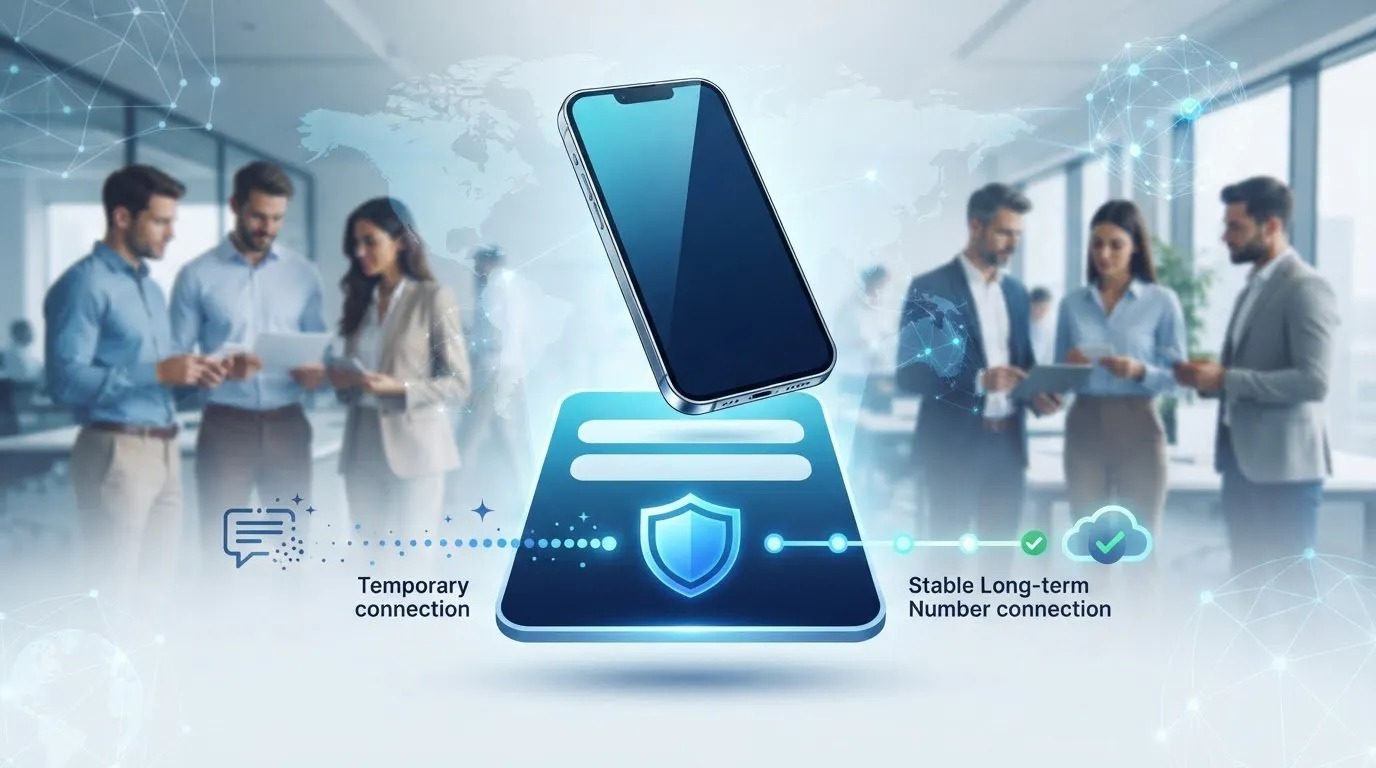
- How Virtual Numbers Work: SMS Activation vs. Long-Term Rentals
- Free vs. Paid Temporary Numbers: The Real Cost of "Free" Services
- Verification Roundup: Best Strategies for Tinder, Telegram, and Social Media
- Scaling Your Digital Identity: Professional and Developer Solutions
The Privacy Crisis: Why You Need a Temporary Phone Number for Verification in 2026
Your personal phone number has evolved into a persistent digital identifier that tracks you across the entire internet. In 2026, every time you provide your primary number to a new app or service, you're handing over a master key to your digital life. A temporary phone number for verification acts as a digital shield. It allows you to satisfy the requirements of platform security protocols while keeping your actual identity isolated from the service provider's database. This isolation is critical because your primary SIM card is now the most valuable piece of data a company can collect. For international travelers who want to maintain this isolation while staying connected, you can visit Always Mobile for low-cost prepaid eSIM data plans.
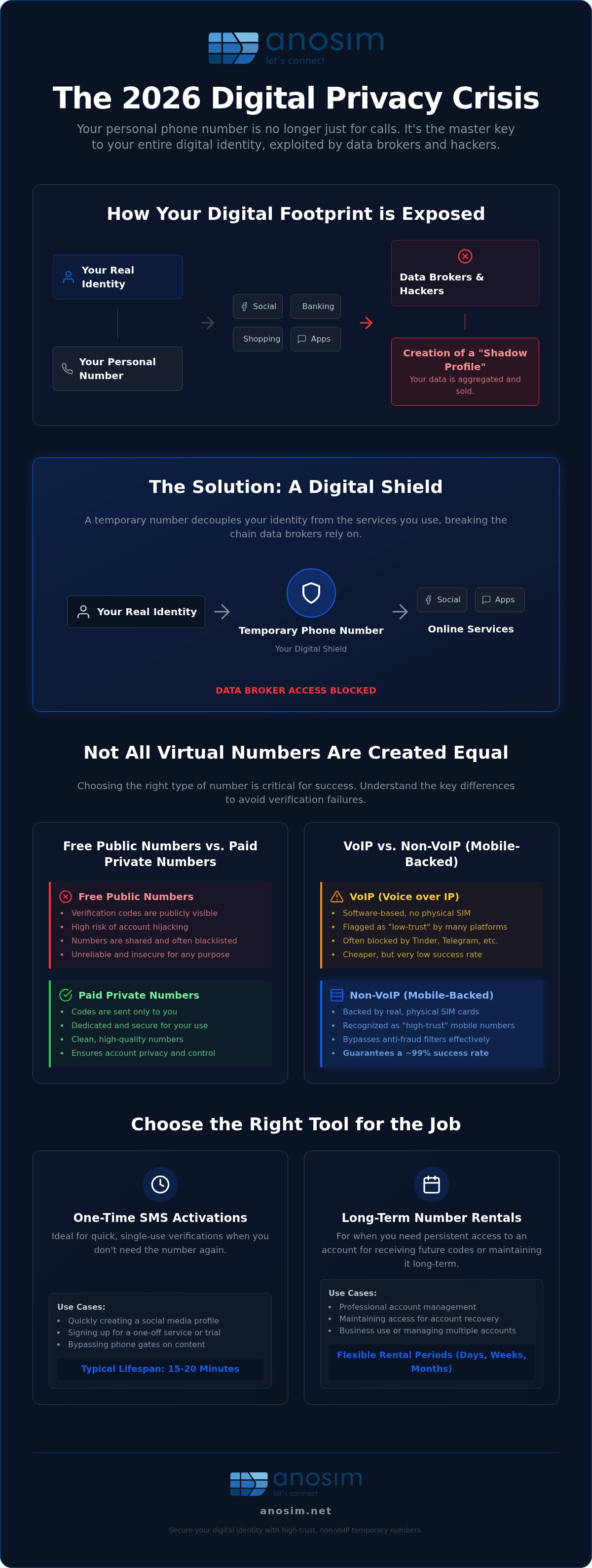
Modern data ecosystems rely on the fact that most people use a single phone number for everything. When multiple apps have access to the same identifier, they can merge your behavior into a single, highly profitable profile. This is the foundation of the shadow profile. A shadow profile is a collection of personal data points assembled by algorithms to identify an individual who hasn't explicitly provided that information, relying heavily on a unique phone identifier to bridge disparate datasets. Understanding how virtual numbers work is essential for anyone looking to maintain a clean digital footprint and prevent this involuntary data aggregation.
When your real number is stored on dozens of different servers, the risk of a data breach becomes a statistical certainty. Even if you trust a major platform, their third-party partners or smaller services you've signed up for might have weak security. Once your number is leaked, it can't be changed as easily as a password. This permanence makes it a high-value target for hackers who use it for SIM swapping or two-factor authentication (2FA) bypass attempts. A virtual number mitigates this risk by providing a secure buffer.
The Hidden Dangers of Using Your Primary Number
Data brokers are the primary beneficiaries of your real phone number. They purchase user lists from compromised or low-security apps and cross-reference them to build dossiers on your spending habits and physical locations. This is why a simple signup for a discount code often results in a sudden wave of targeted spam calls. Your number is the bridge that allows these entities to find you. By using a temporary phone number for verification, you break the link that brokers use to verify your identity across different databases.
Temporary Numbers as a Security Standard
In 2026, privacy is a technical requirement for any serious digital operation. Security standards now dictate that identity should be decoupled from communication channels. We've moved past the era of disposable numbers used for one-off pranks. Today, virtual numbers are used strategically for professional account management and personal privacy. If you're new to these concepts, the Anosim FAQ provides a foundation for how to implement these tools safely. This strategic shift ensures that a data breach on a single platform doesn't expose your primary contact information to the entire web.
How Virtual Numbers Work: SMS Activation vs. Long-Term Rentals
Selecting a temporary phone number for verification requires understanding the technical layer behind the service. Not all virtual numbers are equal. Most failures occur because users don't distinguish between VoIP (Voice over IP) and mobile-backed infrastructure. VoIP numbers are software-based and lack a physical SIM card connection. While they're cheaper to maintain, many high-security platforms like Telegram or Tinder flag these as "low-trust" and block them immediately. To ensure successful account creation, you need numbers routed through real mobile networks, and RentalNumbers.com provides the mobile-backed infrastructure needed for these high-security messaging apps.
Infrastructure plays a decisive role in reliability. Professional services use SIM arrays that connect to local mobile carriers. When a platform sends a code, it sees a valid mobile subscriber rather than a data center IP. This "high-trust" status is what allows you to bypass modern anti-fraud filters. For those needing this level of reliability in the UK, SimOnly Club provides eSIM plans that leverage local mobile networks to ensure high account trust. Using a temporary phone number for verification that is backed by real mobile hardware is the only way to guarantee a 99% success rate in 2026. Depending on your project's duration, you must choose between a one-time activation or a sustained rental.
One-Time SMS Activations
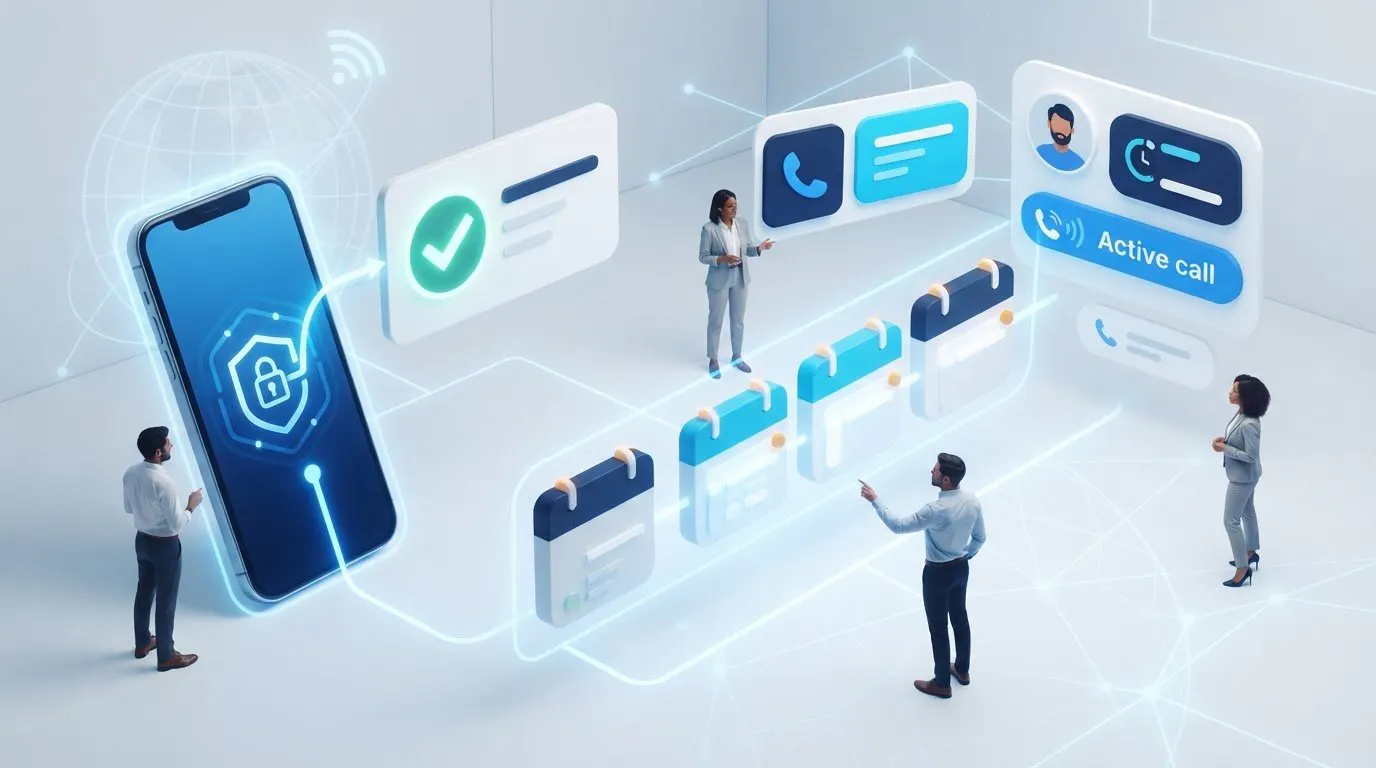
One-time activations are designed for speed and efficiency. When you request an Anosim Activation, you're granted a specific window, usually 15 to 20 minutes, to receive a single OTP (One-Time Password). This is the ideal solution for setting up a secondary social media profile or accessing a discount code where you don't expect to need the number again. Once the window closes, the number is released. It's a cost-effective, "burn after reading" approach to digital privacy.
Long-Term Number Rentals
Some digital workflows require more than a single code. If you're managing a business account or a platform that triggers security checks every time you log in from a new IP, a one-time activation won't suffice. Long-term rentals allow you to keep a number for 30 days or longer. This provides the stability needed for periodic re-verification. For a deeper look at managing these assets, see our Dedicated Virtual Number for SMS Guide. This approach ensures you never lose access to your account due to a sudden 2FA request. If you need immediate access to a service, you can check available countries and services to start right away.
Free vs. Paid Temporary Numbers: The Real Cost of "Free" Services
The appeal of a free service is obvious when you only need a single code. However, these platforms aren't charitable organizations. They monetize your presence by selling your data or compromising your security. When you use a free temporary phone number for verification, you're often using a number that has been recycled thousands of times. This creates the "Used Number" problem where apps like Tinder or Google immediately reject the registration because the number is already associated with multiple flagged accounts.
Reliability is another major gap. Free sites generally use low-priority routing for their inbound messages. This results in extreme latency, often causing your verification code to arrive after the app's timeout window has already expired. Premium providers maintain direct relationships with mobile carriers to ensure that SMS packets are delivered within seconds. This technical efficiency is the difference between a successful account setup and a blocked IP address.
The Security Risks of Public SMS Lists
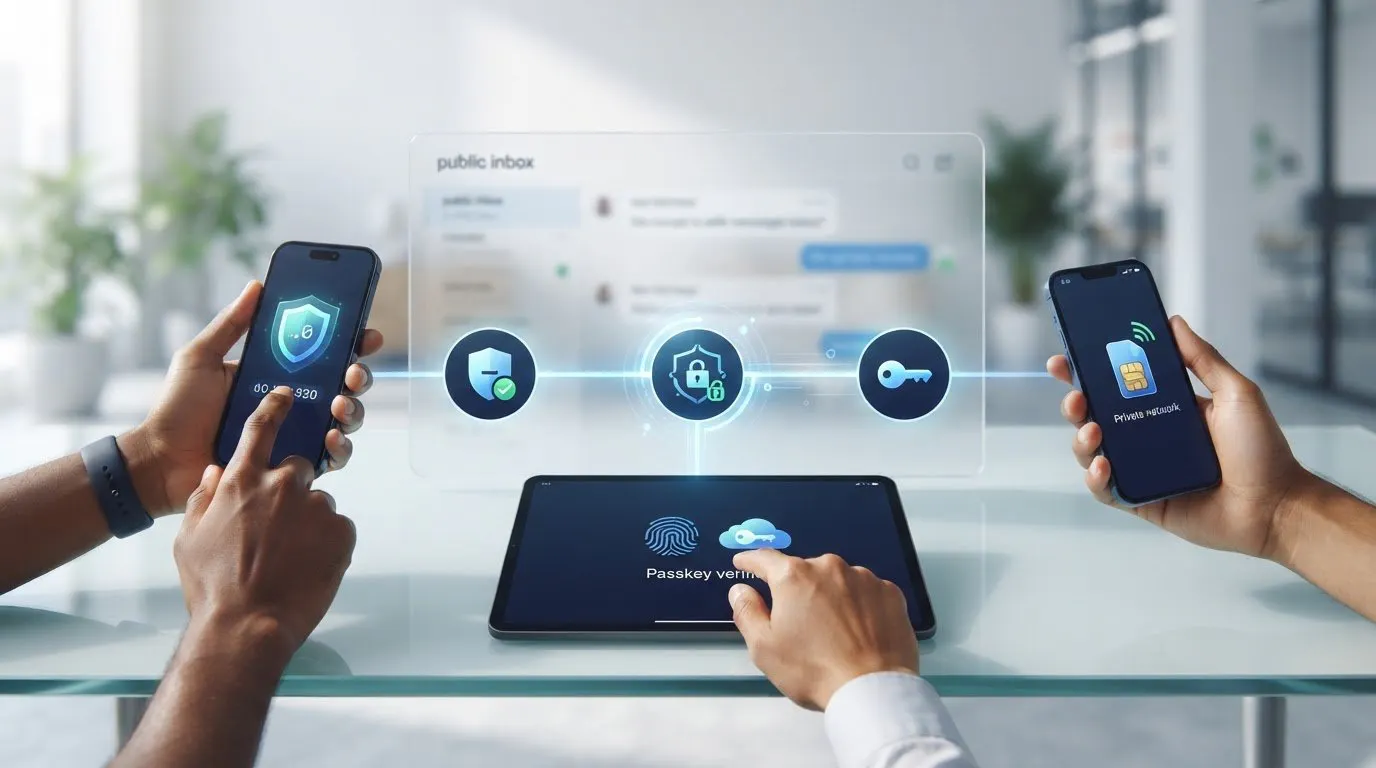
Public SMS logs are an open invitation for account hijacking. Most free sites display all incoming messages on a public dashboard that anyone can refresh. If you use one of these numbers to register a social media profile, a hacker can simply trigger a password reset using that same number and see the code appear on the public list. There is no encryption or access control. A private activation is the only secure way to receive a code because it ensures that the message is accessible only to you through a protected session.
Why Premium Providers Like Anosim Succeed
Premium services succeed because they offer exclusive access to "clean" numbers that haven't been blacklisted by automated anti-spam systems. These providers focus on maintaining a high reputation for their number pools by integrating clean mobile IPs and mobile proxies. This infrastructure ensures that your verification attempt looks like a legitimate user on a standard mobile network rather than a bot in a data center. For those who want to understand the deeper mechanics of these security layers, the Anosim Blog provides technical breakdowns of modern telecommunications privacy. By choosing a paid service, you're investing in a dedicated infrastructure that prioritizes your operational success over mass-market ad revenue.
Verification Roundup: Best Strategies for Tinder, Telegram, and Social Media
In 2026, the barrier to entry for major social platforms has reached an all-time high. Apps like Tinder, Telegram, and Google have moved beyond simple SMS checks. They now employ behavioral analysis and network reputation scoring to flag suspicious signups. Successfully using a temporary phone number for verification requires more than just receiving a code. You must align your digital environment with the expectations of the app's security algorithm. This involves a multi-layered approach where the number, the IP address, and the device metadata all point toward a legitimate, high-trust user profile.
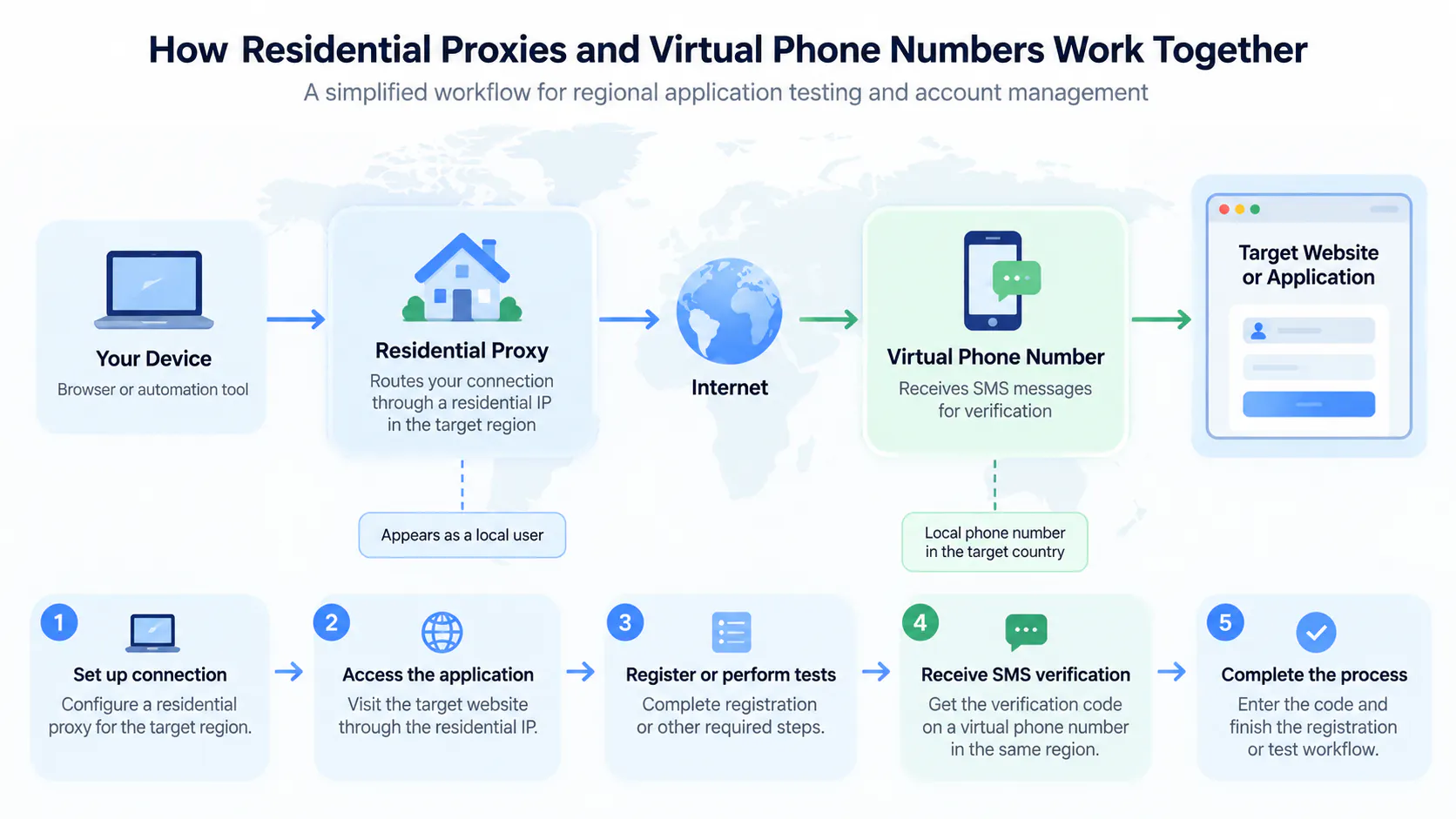
The most difficult platforms to crack are those that prioritize user authenticity to combat botting. Tinder, for instance, has a low tolerance for any number that doesn't originate from a major mobile carrier. If you use a data center IP or a flagged VoIP number, your account will likely be shadowbanned before you even finish your profile. Combining a high-trust virtual number with mobile proxies is the most effective way to maintain account stability. This synergy ensures that your connection appears to come from a real mobile device on a residential or mobile network.
Bypassing Tinder and Dating App Verification
Tinder's security system is designed to detect and block standard VoIP numbers by checking the Numbering Plan Administration (NPA) data. To bypass this, you need to use Mobile VoIP or a dedicated mobile-backed number. The app also tracks your device fingerprint, which includes your screen resolution, OS version, and even battery level. If you're creating multiple accounts, you must reset these identifiers or use a hardened browser. For a comprehensive walkthrough on these technical steps, consult our How to Bypass Tinder Phone Verification Guide.
Securing Telegram and Messaging Apps
Telegram is a favorite for privacy-conscious users, but its requirement for a phone number remains a significant privacy loophole. Using a temporary phone number for verification allows you to maintain 100% anonymity. Once you've successfully registered, it's vital to enable two-step verification (2FA) within the app settings. This adds a password layer that prevents anyone from accessing your account even if they somehow obtained the phone number later. For those who need to ensure they can receive codes for future logins, renting a number for an extended period is the most reliable strategy. This gives you exclusive, ongoing access to the line. If you are ready to secure your next account, you can browse our list of supported mobile services today.
Scaling Your Digital Identity: Professional and Developer Solutions
Managing a single account for personal privacy is a straightforward task, but scaling that operation for professional or enterprise use requires a shift toward automation. Professional account managers and software testers cannot rely on manual web interfaces to handle hundreds of signups. In 2026, efficiency is found in bulk SMS activation and programmatic resource allocation. Integrating a temporary phone number for verification into an automated stack allows for the rapid creation of accounts while maintaining the high trust scores required by modern platforms.
For those managing large-scale digital footprints, the infrastructure must support cross-platform compatibility. Anosim provides full support for the SMS-Activate Standard API, allowing you to plug our high-quality number pools directly into your existing software tools. This compatibility ensures a seamless transition for teams already familiar with industry-standard protocols, eliminating the need to rewrite complex integration logic. By leveraging these professional tools, you move from reactive privacy measures to a proactive, scalable strategy.
Automating Verification with the Anosim API
Developers and QA engineers often need to verify account creation flows across multiple regions. The Anosim API (v1) documentation provides the technical blueprint for requesting numbers, receiving codes, and managing rentals through simple HTTP requests. This programmatic approach is essential for software testing environments where manual verification is impossible. The API is built to handle high-volume SMS requests with low latency, ensuring that your automated scripts don't time out while waiting for a verification payload. This level of technical control is what separates professional-grade privacy tools from basic consumer services.
The Role of Mobile Proxies in Account Management
A virtual number is only half of the security equation. If you use a temporary phone number for verification while connected to a flagged data center IP, the platform's anti-fraud system will likely trigger an instant ban. To avoid this, professional account management requires the use of high-trust mobile IPs. Combining the mobile proxies of our partner proxied.com with virtual numbers ensures that both your communication channel and your network identity appear legitimate. This combination mimics the behavior of a real user on a mobile carrier network, which is the gold standard for account stability in 2026.
Scaling your digital identity requires a commitment to technical robustness and discretion. Whether you're a developer building the next generation of privacy-focused apps or a professional manager securing multiple business assets, the right infrastructure is a necessity. It's time to professionalize your privacy and secure your operations with a toolset designed for the demands of the modern web. You can start your first automated activation today to experience a higher standard of digital anonymity.
Securing Your Digital Future in 2026
The landscape of digital privacy has fundamentally shifted. Relying on unreliable "free" services or your primary SIM card is no longer a viable strategy for long-term account security. You've seen how a temporary phone number for verification serves as a critical barrier against data harvesters and the creation of intrusive shadow profiles. By choosing high-trust mobile numbers and integrating them with professional tools like mobile proxies, you ensure your accounts remain stable while your personal data stays private.
Whether you're managing a single social profile or scaling a complex enterprise operation via our API v1 and SMS-Activate compatibility, the goal remains the same: operational efficiency without compromise. Our global coverage and privacy-first inbound SMS solutions provide the technical infrastructure you need to bypass restrictive requirements safely. Don't let data brokers or poorly secured platforms dictate your digital footprint. Take control of your online identity today and get a secure temporary number for your next verification. Protecting your privacy is a strategic technical decision that pays off with every successful, anonymous signup.
Frequently Asked Questions
Can I use a temporary phone number for WhatsApp verification?
Yes, you can use a virtual number for WhatsApp, provided it's a mobile-backed number rather than a standard VoIP line. WhatsApp's security filters frequently reject numbers associated with data centers. To ensure success, select a private activation from a reputable carrier. This prevents the "number already in use" error common with public pools and ensures your account remains stable during the initial setup process.
Will a temporary number work for Tinder in 2026?
Tinder remains one of the most difficult platforms to verify in 2026. It consistently blocks low-quality virtual numbers to prevent botting and fake profiles. To bypass these restrictions, you must use a high-trust temporary phone number for verification that appears as a legitimate mobile subscriber. Combining this with a mobile proxy is the most reliable way to avoid an immediate shadowban during the signup phase.
What is the difference between a free public number and a private activation?
Free public numbers display all incoming SMS messages on a public dashboard, meaning anyone can see your verification codes. This is a severe security risk that often leads to account hijacking. In contrast, a private activation ensures the number is assigned exclusively to you for a set window. No one else can view your messages, making it the only viable choice for securing personal or business data.
Can I receive multiple SMS codes on the same temporary number?
This depends on whether you choose a one-time activation or a rental service. A standard activation is designed for a single code within a 20-minute window. If you anticipate needing multiple codes for logins or password resets, a long-term rental is necessary. Rentals allow you to keep the number active for weeks or months, providing ongoing access to the same line for any future re-verification requests.
Are temporary phone numbers legal to use for app signups?
Using a virtual number is legal in most jurisdictions for privacy and security purposes. However, you must comply with the Terms of Service of the specific app you're joining. While platforms prefer primary SIM data for tracking, using a temporary phone number for verification is a standard practice for privacy-conscious users. Be aware that the FCC's 2026 KYC regulations may require providers to collect more user data than in previous years.
What happens to my account if the temporary number expires?
Your account won't disappear when the number expires, but you may lose the ability to recover it if the app triggers a security check. To prevent being locked out, you should immediately enable two-step verification (2FA) using an app-based authenticator or a master password. Since physical device failure is a common barrier to accessing these apps, SIMSIM Repairs offers professional mobile and computer services to ensure your hardware remains reliable. This decouples your account access from the phone number, ensuring you retain control even after the temporary line has been released back into the provider's pool.
How do I choose the best country for a verification number?
The best strategy is to match the country of the phone number with the country of your IP address. If you're using a US mobile proxy, you should select a US-based number. Apps often flag accounts where the geolocation of the network doesn't match the country code of the phone. Matching these identifiers reduces the risk of being flagged by automated anti-fraud systems and improves your overall success rate.
Can apps detect that I am using a virtual phone number?
Modern apps use Home Location Register (HLR) lookups and database checks to identify the type of number being used. They can easily distinguish between a landline, a VoIP line, and a mobile SIM. If you use a low-quality virtual number, the app will detect it instantly. Using numbers sourced from real mobile carriers is the only way to appear as a standard user and bypass these sophisticated detection methods.