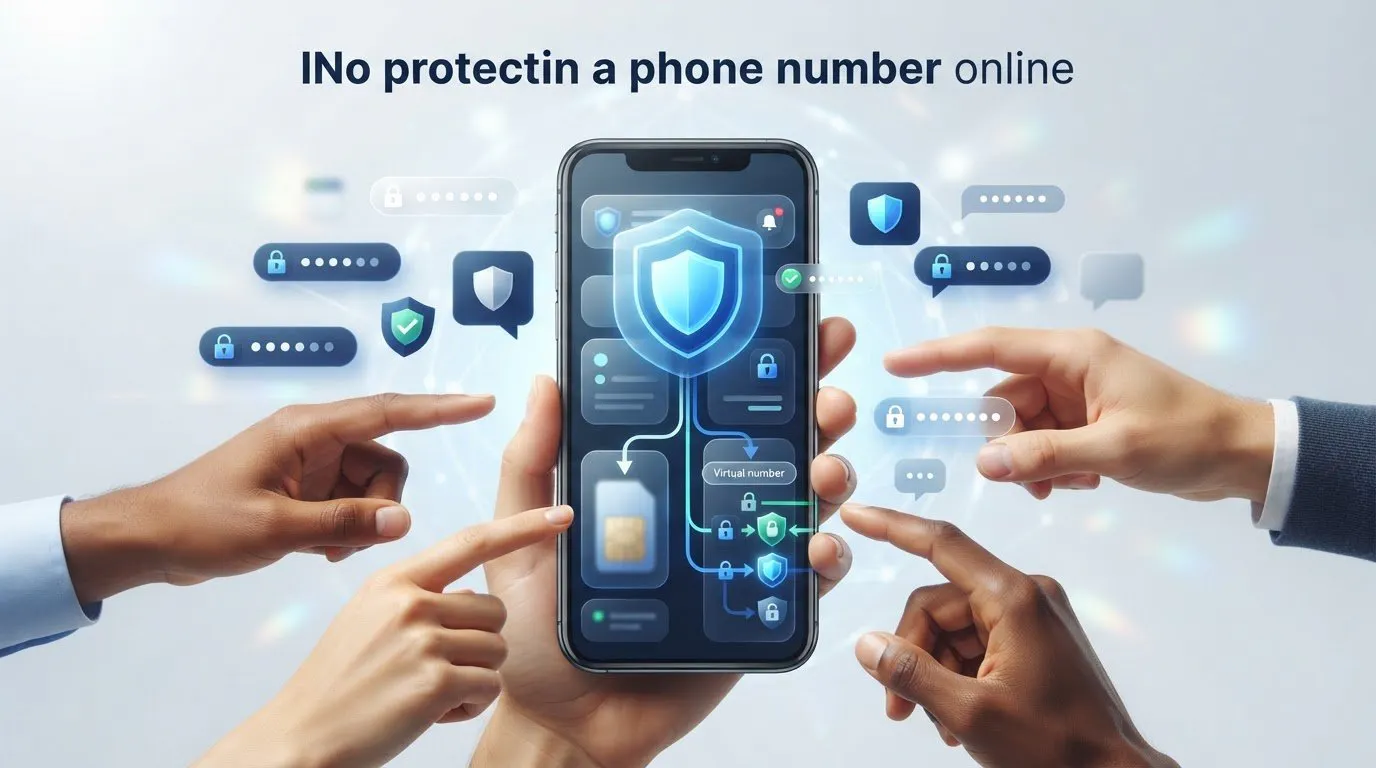
In 2026, free public phone numbers fail on over 90% of major account verification attempts. It's an exhausting cycle of refreshing public SMS logs only to find your verification code being read by hundreds of other concurrent visitors. You likely want a way to bypass these hurdles without the constant risk of immediate account bans or privacy leaks. Most users eventually realize that the struggle with public numbers isn't just a minor inconvenience; it's a significant security flaw that exposes your digital footprint to the world.
Understanding the reality of paid sms verification vs free options is essential for anyone who values long-term account stability. While free services rely on blacklisted VoIP pools that are rejected by 70% of major platforms, professional alternatives provide the dedicated infrastructure needed to satisfy modern carrier-type lookups. This guide explores why free services have become a data trap and how to find secure, paid alternatives that guarantee successful activations without compromising your primary phone number.
We'll examine the technical shift toward carrier-grade numbers and how tools like SMS activations and private number rentals offer a more reliable, professional path for your digital operations.
Key Takeaways
- Identify why free public SMS services fail on over 90% of verification attempts due to shared access and carrier blacklisting.
- Analyze the technical benefits of paid sms verification vs free options, focusing on how carrier-type lookups differentiate between VoIP and mobile-backed numbers.
- Learn to select between one-time SMS activations for quick signups and long-term number rentals for ongoing 2FA security.
- Understand the infrastructure requirements for high-security platforms that reject standard virtual ranges in favor of high-trust mobile tiers.
- Discover how to streamline your operations by integrating professional verification tools and the Anosim API (v1) into your digital workflow.
Table of Contents
- The Hidden Risks of Free SMS Verification Services
- Why Major Platforms Block Free Virtual Numbers
- Top Reliable Alternatives to Free SMS Verification in 2026
- How to Select the Right Verification Strategy
- Anosim: Professional Grade Verification Infrastructure
The Hidden Risks of Free SMS Verification Services
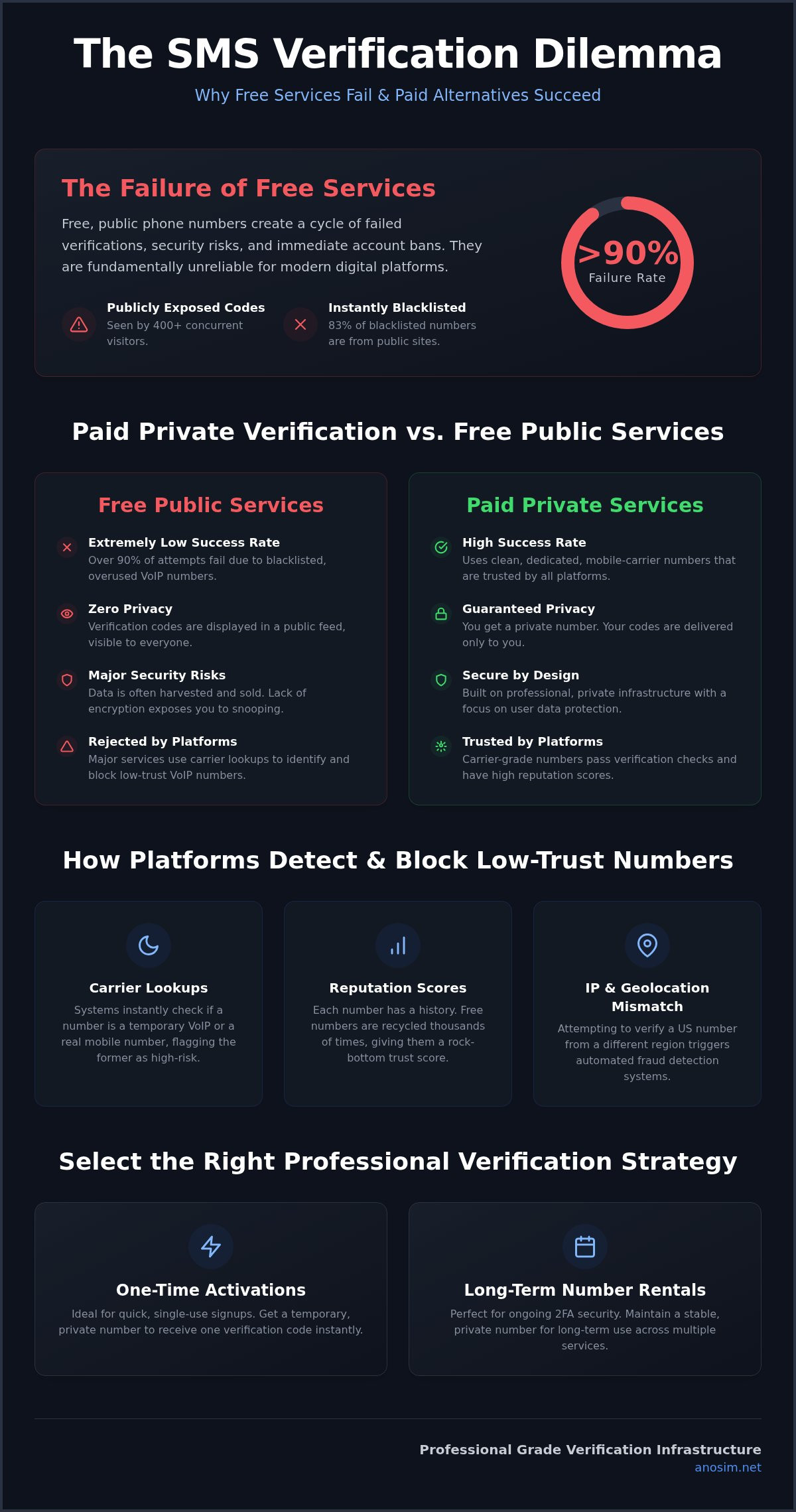
Free SMS verification sites operate on a business model that fundamentally conflicts with user security. When you use a public inbox, your verification code is visible to everyone else on the platform. Research from March 2026 indicates that on high-traffic free sites, a single verification code is often read by over 400 concurrent visitors the moment it arrives. This lack of isolation means that anyone monitoring the feed can identify the service you are signing up for and potentially attempt an account takeover before you even finish the registration process.
The technical infrastructure of these free platforms is rarely built for security. Many sites lack basic HTTPS encryption, exposing your data to packet sniffing. Because these services are data-funded rather than utility-funded, they often harvest user metadata, including IP addresses and browser fingerprints, to sell to third-party advertisers. Comparing paid sms verification vs free options highlights a critical gap in data handling; paid providers charge for the service to maintain private infrastructure, whereas free providers monetize your privacy.
Recycled numbers present another operational hurdle. Thousands of users attempt to use the same public numbers for the same popular platforms. A 2024 GSMA study found that 83% of blacklisted phone numbers on major platforms originated from these public shared-number sites. By the time you try to use a free number, it's likely already flagged for fraudulent activity, leading to immediate account bans.
Why Free Often Means Failed
Major digital platforms use sophisticated carrier lookup APIs to filter out low-trust numbers. Free services almost exclusively use public VoIP pools that trigger fraud filters instantly. Even if a number isn't blacklisted, high latency in free delivery channels often causes one-time passwords (OTPs) to expire before they reach the public log. As Multi-factor authentication becomes the standard for every digital interaction, these delays make free services practically useless for time-sensitive signups. If a code fails to arrive, these sites offer no customer support to resolve the technical bottleneck.
The Privacy Trade-off
Using a public log creates a permanent, searchable record of your account activity. This data can be used for doxxing or mapping your digital footprint across multiple services. Professional SMS activation models avoid this by providing private, single-use instances. To protect your identity, use this checklist to identify high-risk free sites:
- The site displays incoming messages in a public, scrolling feed.
- There is no clear documentation regarding data retention or deletion policies.
- The platform lacks secure login requirements for users.
- The numbers provided are identified as "VoIP" or "Landline" by carrier lookup tools.
Why Major Platforms Block Free Virtual Numbers
Platforms like Google and Meta use sophisticated risk engines to assign reputation scores to every phone number used for registration. These engines analyze the number's origin, history, and the likelihood of it being associated with bot activity. Commercial databases, such as those provided by large-scale VoIP providers, are often pre-blocked because their number ranges are publicly known and easily accessible. The technical gap in paid sms verification vs free services is most evident when looking at these reputation scores. Free numbers usually sit at the bottom of the trust scale because they've been recycled across thousands of accounts.
Security standards have evolved to recognize the inherent weaknesses in virtualized communications. The NIST Digital Identity Guidelines highlight the security risks of SMS for out-of-band authentication, leading platforms to tighten their filters against non-secure sources. Modern verification systems now perform real-time IP-to-number correlation. If a user attempts to verify a US number while connected via a proxy in a different region, the system flags the attempt as high-risk. This correlation check is a primary reason why paid sms verification vs free public tools result in different success rates; paid services allow for better alignment between your network presence and your number's origin.
Understanding VoIP Reputation
Voice over Internet Protocol (VoIP) numbers are internet-based and don't require a physical SIM card. This makes them cheap for developers to generate in bulk, which is why they are the primary target for automated bot detection. Platforms use Home Location Register (HLR) lookups to determine the "type" of number in milliseconds. If the HLR query returns a landline or VoIP designation, the verification SMS is often never sent. This is a critical hurdle, as over 70% of major verification platforms now run carrier-type lookups before sending an SMS. Non-VoIP numbers are the gold standard for 2026 verification.
The Role of Mobile Network Codes (MNC)
Legitimate mobile carriers are identified by unique Mobile Network Codes (MNC) and Mobile Country Codes (MCC). Platforms check these codes to ensure a number belongs to a recognized consumer mobile network rather than a data center. Mobile-tier numbers bypass the filters that kill commercial VoIP because they appear as standard subscriber lines. You can learn more about these distinctions in our Temporary Phone Number: 2026 Privacy Guide. For users who need consistent results across sensitive platforms, opting to rent a number backed by mobile infrastructure is the most efficient way to ensure account stability.
Top Reliable Alternatives to Free SMS Verification in 2026
Selecting a professional infrastructure is the only way to bypass the 90% failure rate associated with public numbers. The choice between paid sms verification vs free services depends entirely on your operational requirements and the sensitivity of the platform you're accessing. While free services offer shared, blacklisted pools, professional alternatives provide isolated environments that satisfy the rigorous security checks of modern apps. These alternatives range from single-use codes to dedicated long-term rentals, each designed to solve specific verification bottlenecks.
One-Time Activations for Rapid Signups
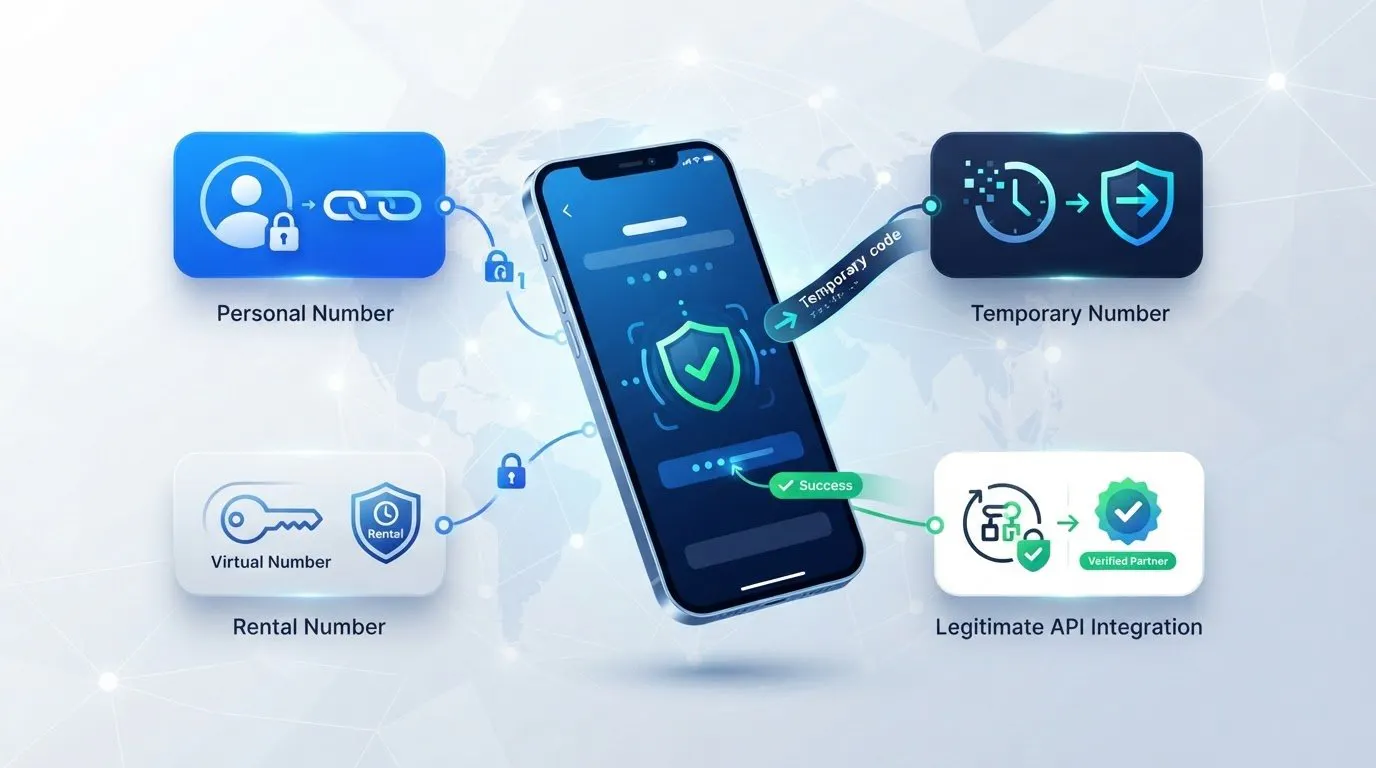
This is the most efficient solution when you need to create a quick account but don't require the number for ongoing access. For example, if you're setting up a secondary WhatsApp or Tinder profile, a one-time activation provides a private number for a short window. This ensures a high success rate because the number hasn't been recycled across hundreds of other users on that specific platform. You can access these instant codes through Anosim Activation, which utilizes high-trust mobile ranges to bypass standard VoIP filters.
Long-Term Rentals for Account Stability
Primary accounts that require periodic two-factor authentication (2FA) need more than a temporary code. If a platform detects a change in your device or location, it may trigger a re-verification request. If you used a disposable free number, you'll suffer from "locked account syndrome," where you lose access permanently because the number is no longer reachable. Dedicated numbers solve this by giving you exclusive control over a number for 30 days or longer. Utilizing a Rent Number service allows you to maintain account stability and handle 2FA requests whenever they arise.
For more specialized needs, the market offers two additional high-tier options:
- Mobile VoIP Rentals: These are virtual numbers that mimic real mobile device behavior, providing a balance between cost and trust scores.
- Physical SIM Hosting: This involves a provider maintaining a real SIM card in a server rack. It's the most expensive tier but offers the highest possible reliability for enterprise-level tasks.
The fundamental difference in paid sms verification vs free services lies in the exclusivity of the number. By moving away from public logs, you eliminate the risk of someone else seeing your security codes or linking your data to a shared identity. Whether you need a single activation or a dedicated rental, professional tools provide the technical robustness required for modern digital anonymity.
How to Select the Right Verification Strategy
Choosing an effective verification strategy requires an assessment of your operational volume and the sensitivity of the platforms you are targeting. A single user looking for a one-time signup has vastly different needs than a developer managing hundreds of accounts for digital marketing or automation. High-security platforms now employ advanced fingerprinting that looks beyond the phone number itself. They evaluate the entire registration context, meaning your strategy must align your network identity with your virtual number to avoid immediate flags.
Geographic consistency is a primary factor in successful account creation. If you attempt to verify a French phone number while your network traffic originates from a data center in Singapore, the trust score of the attempt drops to zero. This mismatch is a leading cause of failure when comparing paid sms verification vs free options. While free services offer no control over geographic alignment, professional tools allow you to match your number's country to your actual proxy location, creating a seamless, high-trust profile that satisfies modern risk engines.
The Developer Workflow: Scaling with APIs
For those managing large-scale operations, manual entry is no longer a viable option. Programmatic verification has become the standard for 2026, allowing for rapid, bulk verification workflows without human intervention. This workflow relies on stable integration protocols that can handle incoming SMS data in real-time. Our infrastructure supports the SMS-Activate Standard API, ensuring that your existing automation scripts can transition to a more reliable number pool without requiring a complete code rewrite. Scaling with an API ensures that you only pay for successful activations, maximizing your operational budget.
The Proxy Connection: Why IPs Matter
A virtual number is only as effective as the IP address used during the registration process. To bypass aggressive bot detection, you must use a Mobile Proxy from a provider such as our partner proxied.com that delivers a high-trust, carrier-grade IP address. When the platform's risk engine sees a mobile IP matching the mobile network of the phone number, the verification flow proceeds without additional friction. This technical synergy is essential for bypassing filters on sensitive social media and fintech apps. For a deeper look at the technical setup required for these integrations, refer to our SMS Activation API: 2026 Guide.
The decision between paid sms verification vs free services ultimately comes down to results. If your account stability is worth more than a few cents, the reliability of a dedicated mobile-tier number is the only logical choice. You can begin optimizing your workflow today by accessing our professional SMS Activation tools.
Anosim: Professional Grade Verification Infrastructure
Anosim operates as a silent partner for users requiring high-trust digital identities. While the market is saturated with low-cost, high-failure services, Anosim focuses on providing stable infrastructure for professionals who prioritize operational efficiency. The platform offers direct access to SMS activation and long-term number rentals across dozens of countries, ensuring that your geographic footprint remains consistent and credible. This utility-first approach prioritizes functionality over marketing fluff, providing the technical robustness needed for modern digital tasks.
Privacy is integrated into the core architecture. Unlike free platforms that display your codes in public logs, Anosim delivers them only to your own account. No other user can read your verification content, providing the discretion required for managing sensitive digital footprints. This commitment to discretion makes the choice between paid sms verification vs free options clear for enterprise-level users who cannot afford data leaks or public exposure of their account details.
Why Anosim Beats Generic Providers
Generic virtual number providers often rely on standard data-center VoIP ranges that are easily identified and blocked by major platforms. Anosim differentiates itself by offering Rent Mobile VoIP services. These numbers utilize mobile-tier infrastructure that mimics real mobile device behavior, resulting in significantly higher trust scores from risk engines. It's a pragmatic solution for users who need the reliability of a mobile carrier without the logistical burden of physical hardware.
Consider a scenario where you need to create a high-trust account on a platform that rejects standard virtual numbers. Instead of sourcing a physical SIM card, which involves shipping delays and higher costs, you can use a mobile-tier virtual number to achieve the same result instantly. Anosim does not offer physical SIM delivery, focusing instead on the speed and anonymity of virtualized mobile infrastructure. If you're ready to secure your accounts, you can get started with professional SMS verification today.
Integration and Support
For developers and agencies needing to scale their operations, the Anosim API (v1) provides a seamless path for automation. Our documentation allows for custom builds that integrate directly into your existing software stack, ensuring that SMS activations and number rentals run as a frictionless part of your workflow. You can access the full API Documentation to begin your technical setup. This focus on automation helps users move from manual entry to programmatic efficiency.
We also support a broader ecosystem through our Affiliate and Reseller programs. These partnerships are designed for those who want to provide high-quality verification tools to their own client base. By focusing on technical accuracy and infrastructure stability, Anosim remains the preferred choice for users who value results. The technical gap in paid sms verification vs free tools is bridged by our commitment to high-utility, professional-grade service.
Secure Your Operational Future
The shift in digital security through 2026 has turned public SMS logs into a significant liability. Success now requires a technical understanding of paid sms verification vs free options, where reliability is built on isolated, mobile-tier infrastructure. By avoiding shared VoIP pools, you eliminate the persistent risks of data harvesting and immediate account restrictions. Stability in modern verification depends on geographic alignment and the use of carrier-grade numbers that satisfy aggressive platform filters.
Anosim provides the professional framework required to maintain this operational efficiency. Our infrastructure offers seamless integration via the Anosim API (v1) and SMS-Activate Standard protocols, giving you access to global mobile-tier numbers. High-trust mobile proxies are available from our partner proxied.com. This utility-first approach ensures your digital footprint remains secure while your verification workflows remain uninterrupted. You can now scale your digital tasks without the constant threat of verification failures.
Secure your digital identity with Anosim professional SMS activations and transition to a more reliable verification strategy today. It's time to prioritize your digital anonymity with tools designed for performance and technical robustness.
Frequently Asked Questions
Are free SMS verification numbers safe to use for banking?
Free SMS verification numbers are not safe for banking or any sensitive financial accounts. Because these numbers use public logs, anyone monitoring the site can see your verification code and link it to your account. This exposure significantly increases the risk of unauthorized access and identity theft. For banking, you should use a primary number or a dedicated, private rental that ensures no one else has access to your inbound communication.
Why does Tinder say my virtual number is invalid?
Tinder and similar platforms often reject virtual numbers because they use carrier-type lookups to identify and block VoIP ranges. Most free services provide internet-based numbers that lack a legitimate mobile network code. When the platform's risk engine detects a non-mobile number, it flags the registration attempt as high-risk or invalid. To bypass this, you need a mobile-tier number that mimics a real SIM-backed device to satisfy the app's security filters.
Can I receive multiple codes on a temporary phone number?
Your ability to receive multiple codes depends on whether you choose a one-time activation or a long-term rental. A standard SMS activation is typically designed for a single verification event within a short window. If you require ongoing access for two-factor authentication or multiple signups, a dedicated rental is the correct choice. Rentals allow you to receive inbound messages throughout the rental period, providing better long-term account stability.
What is the difference between an activation and a rental?
An SMS activation is a one-time use service designed for a specific platform signup, whereas a rental provides exclusive access to a number for an extended period. Activations are cost-effective for quick account creation when you don't need to keep the number. Rentals are necessary for primary accounts that might trigger re-verification requests later. This distinction is a key factor when evaluating paid sms verification vs free options for your digital workflow.
Do I need a mobile proxy to use an SMS activation service?
While not strictly mandatory for every site, using a mobile proxy is highly recommended for high-security platforms. Modern risk engines check if your IP address matches the country and carrier type of your phone number. If you use a US number with a data center IP from another region, the account may be flagged or banned immediately. Aligning your network presence with your number's origin creates a high-trust profile that improves success rates.
How much does a reliable alternative to free SMS cost?
The cost of a professional alternative depends on the country of the number and the specific platform you are targeting. Generally, one-time activations for common apps are inexpensive, while dedicated long-term rentals and mobile-tier numbers carry a higher price point due to the underlying infrastructure costs. When comparing paid sms verification vs free services, the small investment in a private number often pays for itself by preventing account bans and data leaks.
Is it legal to use a virtual number for app signups?
Using a virtual number for app signups is generally legal and serves as a legitimate tool for protecting your digital privacy. Many users employ these services to avoid sharing their primary phone number with every platform they join, reducing the risk of spam and data breaches. While it's a legal practice, some apps may have internal terms of service that restrict the use of certain number types to prevent automated bot activity or fraudulent registrations.
What happens if I lose access to a rented number?
If you lose access to a rented number, you'll be unable to receive any future verification codes or 2FA requests sent to that line. This can lead to permanent account lockout if the platform requires a code for login or password recovery. To prevent this, it's essential to monitor your rental duration and renew the service before it expires. Professional providers typically offer renewal options to ensure your account remains stable and accessible.