The phone number you're using for registration is likely the least important part of your digital identity in 2026. While most users blame the service provider, the reality is that platforms now use sophisticated browser fingerprinting to track hundreds of data points across your hardware and network. Understanding how to avoid sms verification block requires looking beyond the digits to your entire connection signature. It's frustrating to face an instant shadow-ban or a total account block after spending hours on automation. You're likely tired of seeing your primary number leaked or your virtual numbers rejected by aggressive filters.
If you require consistent account stability, then aligning your network headers with high-trust mobile credentials is the only path forward. You'll learn why over 70% of major digital platforms now proactively block standard VoIP numbers and how to pivot toward more stable alternatives. We'll examine the latest NIST standards and provide a repeatable process for successful account verification. By the end of this article, you'll have the infrastructure needed to protect your personal data while maintaining operational efficiency across any platform.
Key Takeaways
- Identify how platforms use advanced risk scoring and device fingerprinting to flag accounts before a verification code is even requested.
- Learn the technical requirements for isolating browser profiles and using mobile proxies to understand how to avoid sms verification block.
- Determine when to use one-time SMS Activation for speed versus long-term Rent Number services for accounts that require ongoing recovery access.
- Leverage professional infrastructure like the Anosim API (v1) to programmatically automate bulk verification workflows at scale.
- Synchronize your network headers with mobile proxies to ensure your IP address matches the regional profile of your virtual number provider.
Table of Contents
- Understanding Why Platforms Block SMS Verification
- Beyond the Number: The Role of Digital Fingerprinting
- Choosing the Right Tool: Disposable vs. Dedicated Numbers
- Step-by-Step Strategy to Avoid Verification Blocks
- Scaling and Automating with Anosim Infrastructure
Understanding Why Platforms Block SMS Verification
An SMS verification block is rarely a random occurrence. It's a calculated security trigger designed to protect platforms from automated bot networks. By 2026, the industry has shifted toward "Risk Scoring," a real-time assessment of your digital footprint. Every time you request a code, an algorithm evaluates your connection before deciding whether to deliver the SMS or block the request entirely.
Algorithms distinguish between real mobile users and bots by looking for behavioral entropy. Real users hesitate, make typos, and have inconsistent movement patterns. Bots are efficient and fast, which makes them easy to identify. If you're trying to learn how to avoid sms verification block, you must first accept that your technical environment matters more than the number itself. If your risk score exceeds a certain threshold, you'll face either a soft block or a hard block.
- Soft Block: A temporary restriction often accompanied by a "try again in 24 hours" message. This suggests your setup is suspicious but not yet confirmed as malicious.
- Hard Block: An immediate blacklisting of the phone number and often the associated IP address. This usually happens when the platform detects a high-confidence match for known spam patterns.
The Mechanics of Modern Anti-Spam Filters
Modern telephone number verification methods now incorporate deep packet inspection and IP reputation checks. If a platform sees a high frequency of signups from a specific IP range, it'll flag every subsequent attempt. The reputation of the number provider also plays a critical role. Standard VoIP numbers are frequently rejected by high-security platforms because they lack the metadata associated with a physical SIM card. Using a high-trust Rent Number service helps mitigate this by providing numbers that appear legitimate to the filter.
Common Triggers for Verification Failures
The most common mistake is using free, public SMS sites. These numbers are recycled thousands of times and are permanently blacklisted by major databases. Another major trigger is mismatched geolocation. If your phone number is registered to a US carrier but your IP address originates from a data center in another country, the platform will likely trigger a block. To maintain stability, it's vital to pair your verification with mobile proxies that match the regional profile of your number. Inconsistent browser fingerprints, such as mismatched fonts or canvas rendering, confirm to the platform that the user is attempting to mask their identity. Mastering how to avoid sms verification block requires a holistic approach to your digital presence.
Beyond the Number: The Role of Digital Fingerprinting
A clean phone number is useless if your network signature is toxic. By 2026, platforms don't just look at the digits; they scan device IDs, screen resolutions, and OS versions. If these technical markers don't match the expected profile of a standard mobile user, you'll fail the verification check immediately. This holistic data set is your digital fingerprint. Understanding how it interacts with security filters is the first step in learning how to avoid sms verification block in modern environments.
Why Your IP Address Might Be the Real Problem
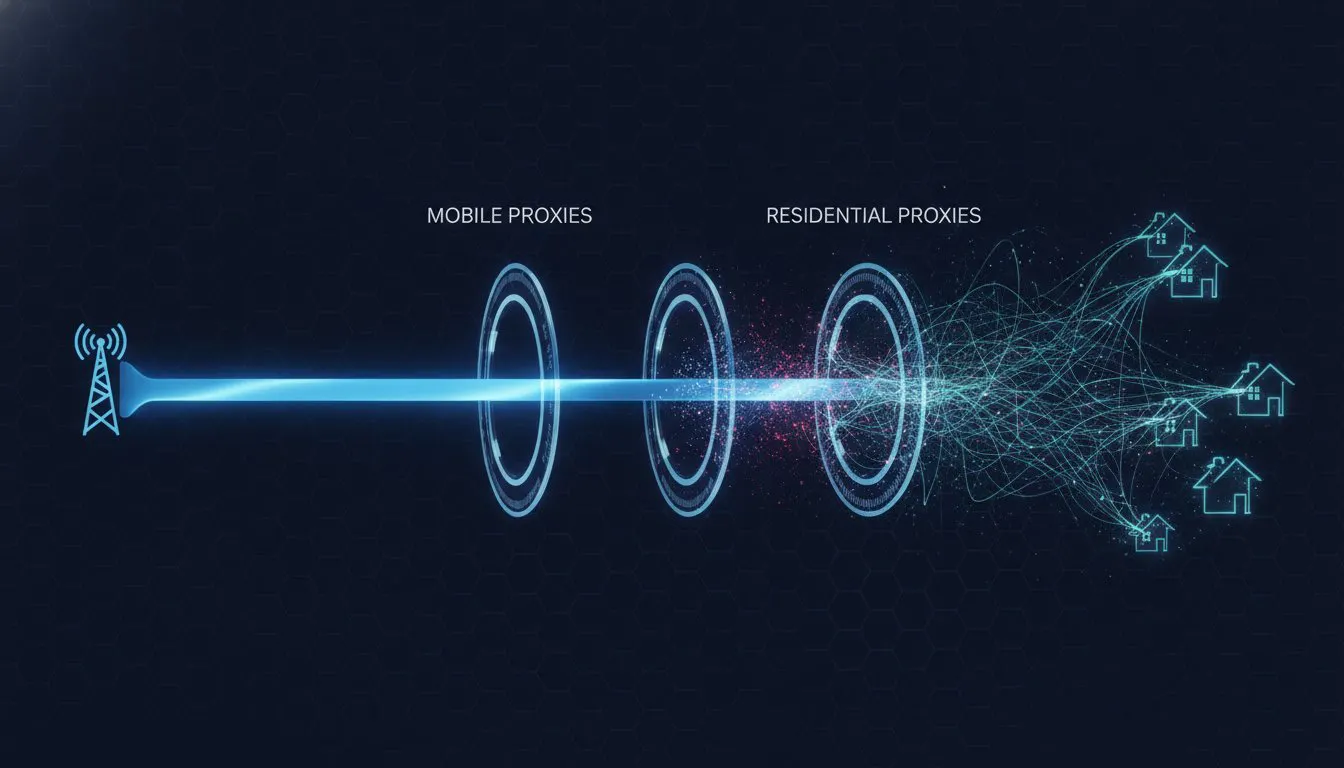
Your IP address carries a trust score that dictates how a platform treats your registration request. Datacenter IPs are frequently blacklisted because they're associated with automated server farms and bot activity. Residential IPs offer more stability, but mobile proxies provide the highest level of trust. These proxies route your traffic through actual cellular network infrastructure, making you indistinguishable from a real person on a smartphone. It's essential to match your proxy location with your virtual number's region to maintain a consistent identity.
According to the NIST digital identity guidelines, SMS is now classified as a "restricted" authenticator due to vulnerabilities like SIM swapping. Because of this, platforms have intensified their scrutiny of the entire connection. They aren't just verifying the code; they're verifying the legitimacy of the session. If your IP location and phone number prefix don't align, the system assumes the attempt is fraudulent and triggers an instant block.
Device Identity and Browser Cookies
Using a "fresh" browser with no history is a major red flag for most security algorithms. Real users have cookies, cached data, and specific hardware signatures. Anti-detect browsers allow you to manage multiple identities by spoofing canvas rendering and WebGL attributes. You must also manage WebRTC leaks. If your browser reveals your true local IP while you're using a proxy, the platform will flag the mismatch and reject the verification code.
For those managing high-volume operations, integrating high-trust mobile proxies alongside your verification workflow is the most reliable way to ensure account longevity. Beyond technical settings, accounts need "warmth." Natural browsing behavior before attempting registration signals to the algorithm that the user is legitimate. If you jump straight to a signup page on a blank profile, you're likely to trigger an automated filter. Mastering how to avoid sms verification block requires synchronizing every layer of your digital identity to appear as a standard, non-automated user.
Choosing the Right Tool: Disposable vs. Dedicated Numbers
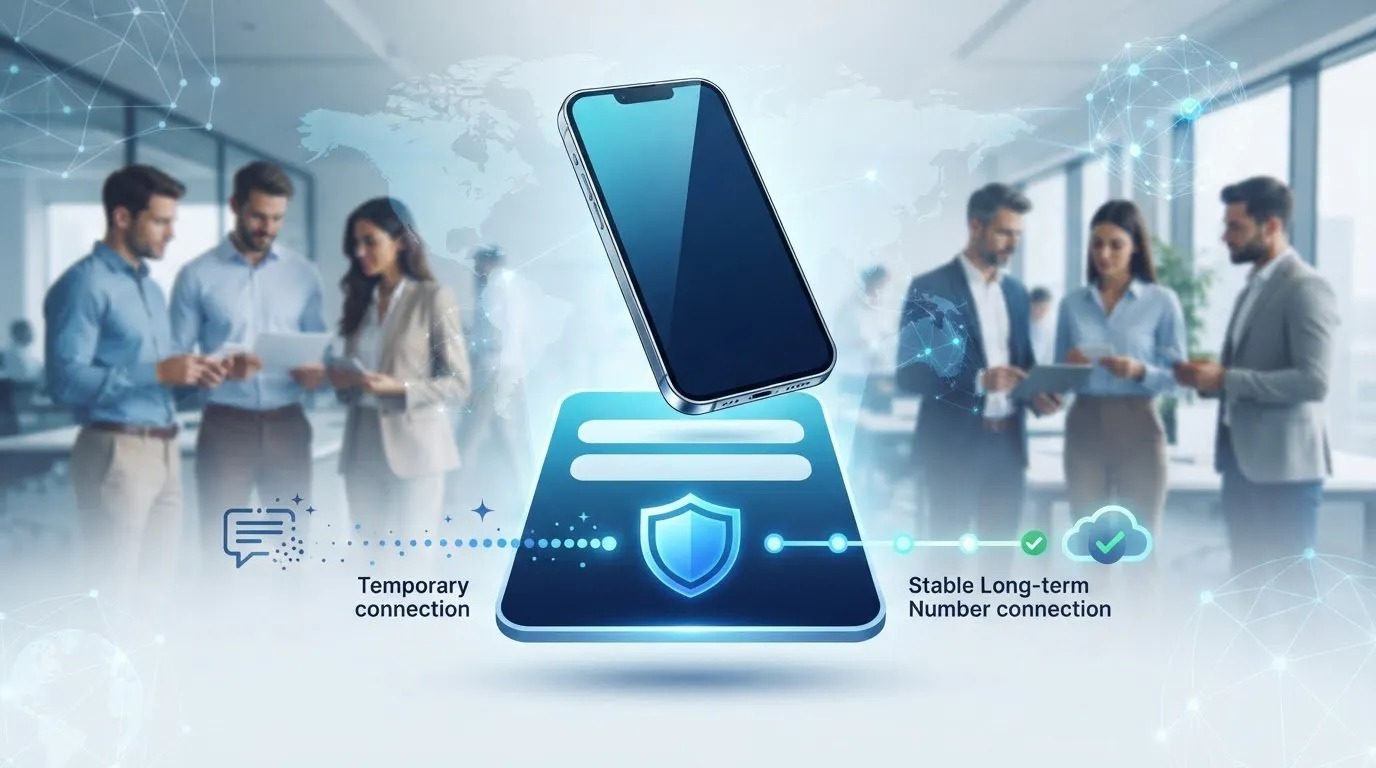
The choice between a one-time SMS Activation and a long-term Rent Number service depends entirely on the required lifespan of your digital identity. If you're investigating how to avoid sms verification block for a permanent business profile, a temporary activation is rarely the correct choice. One-time activations are designed for speed and cost-efficiency during the initial registration phase. However, they lack the persistent connection needed to receive subsequent codes for password resets or security audits. Choosing the wrong tool often leads to permanent account loss when a platform requests a secondary check months after the initial signup.
The Risks of Public "Free" SMS Sites
Public "free" SMS sites represent the highest risk category for account stability in 2026. Because these verification codes appear on public boards, any user viewing the page can potentially hijack your session or harvest your data. High-security platforms have updated their filters to identify and reject these public pools instantly. If you use a number that is already blacklisted in global carrier databases, you'll trigger a hard block on your IP address and device fingerprint as well. There is no ownership with these services; if the account gets locked, you've no way to re-verify. Instead of risking your account, you can discover SMSOkey for secure, private one-time verification codes across various digital platforms.
For platforms like Telegram or WhatsApp, renting a dedicated virtual number is a technical necessity. These platforms frequently require periodic re-verification to confirm account ownership. If you use a disposable number, you lose access to the account as soon as the session expires. Professional social media managers use these rentals to build "aged" accounts that carry higher trust scores over time. Using mobile VoIP rentals provides a stable, private channel that remains assigned to your account for as long as you maintain the subscription.
A cost-benefit analysis shows that while activations are cheaper upfront, the loss of an established account is far more expensive in terms of time and operational momentum. Dedicated numbers offer several advantages:
- Persistence: Receive recovery codes at any time without needing to register a new number.
- Exclusivity: The number is assigned only to you, preventing "number recycling" blocks.
- Reliability: Professional-grade infrastructure ensures higher success rates with aggressive filters.
Ultimately, the strategy for how to avoid sms verification block involves matching the number's duration to the account's value. High-value accounts require the stability of a dedicated rental to survive the security audits that platforms now perform on a monthly basis.

Step-by-Step Strategy to Avoid Verification Blocks
Achieving account stability in 2026 requires a methodical approach that mirrors legitimate user behavior. If you want to know how to avoid sms verification block, you must treat the registration process as a high-stakes technical operation. Success depends on the synergy between your network environment and the number you select. Platforms now use velocity checks to detect automated signups, so any deviation from standard human interaction will trigger an immediate flag. Follow this sequence to minimize risk and secure your digital identity.
Preparing Your Environment with Mobile Proxies
Before you even visit a registration page, you must isolate your connection. Connect to a mobile proxy that originates from the same country as your virtual number. This alignment is critical because mismatched metadata is the primary reason for instant rejection. Once connected, check your IP reputation on professional tools like IPHub or Scamalytics. If your IP has a high fraud score, rotate it before proceeding. You can verify your proxy is active by checking your current IP address and ISP on a public lookup tool to ensure they match the cellular network profile of your target region.
Isolating your browser is equally important. Use a dedicated profile or an anti-detect browser to prevent cross-contamination from previous sessions. If the platform detects a cookie or a local storage item from a banned account, your new attempt will fail regardless of the number's quality. Clean environments are the foundation of any successful verification strategy.
Executing the Signup Process Correctly
Human behavior is characterized by natural delays and slight inconsistencies. When you reach the phone number field, avoid copy-pasting the digits from your dashboard. Type the number manually to simulate a real user interaction. This simple step bypasses basic bot detection scripts that monitor clipboard activity. If the code doesn't arrive within the first 60 seconds, don't panic. Avoid spamming the "Resend" button, as high-frequency requests are a hallmark of automated scripts and will lead to a hard block on your IP range.
Timing is everything. If the first attempt fails, wait at least five minutes before trying again with a fresh session. For those who need immediate results without the risk of blacklisted public pools, you can use Anosim SMS Activation for instant OTP delivery on high-trust channels. Once you receive the code, enter it slowly. Platforms track the speed of input; entering a six-digit code in milliseconds is a clear indicator of automation. By following this slow and steady execution, you provide the algorithm with the human-like indicators it needs to approve your request. Mastering how to avoid sms verification block is ultimately about patience and technical precision.
Scaling and Automating with Anosim Infrastructure
Programmatic scaling is the final stage for users managing multiple digital identities. When you move beyond manual registration, the risk of automated detection increases exponentially. Understanding how to avoid sms verification block at scale means integrating high-trust infrastructure directly into your automation scripts. By using a professional API, you can request numbers, receive codes, and manage rentals without human intervention. This ensures your operational efficiency remains high while your digital footprint stays isolated from your primary identity.
Leveraging API for High-Volume Activations
Automating your workflow starts with integrating the Anosim API documentation into your existing tools. This API (v1) is designed for seamless deployment and offers full compatibility with the SMS-Activate Standard API. If you already have scripts built for other providers, switching to Anosim requires minimal code changes. This compatibility allows you to leverage higher-trust mobile pools without rebuilding your entire automation stack from scratch.
When scaling, managing the Rent Service via API is superior to one-time activations for accounts that require long-term stability. If an API call returns a "No Number" status, your error handling should include a randomized delay before retrying or switching to a different regional pool. This prevents bot-like request patterns that carriers use to identify and block automated traffic. Programmatic rotation of mobile proxies through your proxy provider's API — our partner proxied.com — alongside these Anosim API calls ensures that every registration attempt appears to originate from a unique, legitimate cellular device rather than a centralized server.
Professional Mobile VoIP and Partner Proxy Solutions
Combining virtual numbers with mobile proxies from our partner proxied.com is the most effective way to secure a high trust score during the signup flow. While standard VoIP numbers are often flagged by security-conscious apps, using mobile VoIP rentals through the Anosim infrastructure provides the carrier metadata needed to bypass aggressive filters. This technical synergy is what allows users to bypass Tinder phone verification and other high-security platforms that utilize advanced device fingerprinting to stop automated accounts.
Anosim acts as a silent partner, providing the raw infrastructure needed for digital tasks while securing your workflow against data leaks. By using virtual numbers, you eliminate the risk of primary number exposure and protect your personal data from platform databases. This approach to how to avoid sms verification block focuses on creating a robust, repeatable process that survives the evolving security landscapes of 2026. Whether you're managing a handful of professional profiles or a high-volume operation, technical robustness and discretion remain the core priorities for maintaining long-term account stability.
Securing Your Digital Identity in 2026
Digital verification filters are no longer simple gatekeepers; they're complex identity validators that analyze your entire connection signature. Maintaining account stability requires a technical shift from using recycled public numbers to leveraging private, high-trust mobile infrastructure. By synchronizing your browser fingerprint with mobile proxies and choosing dedicated rentals for long-term access, you solve the core issues behind account restrictions. Understanding how to avoid sms verification block is ultimately a matter of matching your network signature with your virtual credentials to appear as a legitimate, non-automated user.
If you're ready to scale your operations or protect your personal privacy, choosing a reliable partner is essential. Anosim provides a privacy-first inbound SMS infrastructure with global coverage for over 100 platforms. With full support for API v1 and the SMS-Activate Standard API, it's built to integrate seamlessly into your existing automation stack. Secure your high-trust virtual number on Anosim today and build your digital presence on a foundation of reliability and discretion. You now have the technical roadmap to navigate these filters with confidence.
Frequently Asked Questions
Why do platforms say "this number cannot be used for verification"?
Platforms trigger this message when their risk scoring algorithms detect a non-mobile number or an IP address that doesn't match the number's carrier metadata. This often happens with free public numbers or standard VoIP services that lack the reputation of a real SIM. If you want to know how to avoid sms verification block, ensure you're using a high-trust Rent Mobile VoIP number that provides carrier-grade headers.
Can I use a virtual number for Google or Apple ID verification?
You can use virtual numbers for these high-security platforms, but standard disposable numbers are usually rejected. Google and Apple maintain extensive databases of known virtual number ranges. To succeed, you need a dedicated Rent Number service that mimics a physical SIM card's behavior. Pair this with a mobile proxy to ensure your browser's location data matches the number's regional origin for maximum stability.
What is the difference between a VoIP number and a mobile number for SMS?
A standard VoIP number routes messages over the internet and is easily identified by platforms because it lacks a mobile carrier prefix. A virtual mobile number, like those provided through Anosim's Rent Mobile VoIP service, uses cellular network infrastructure to receive SMS. This technical distinction is why mobile-based virtual numbers have significantly higher success rates during the registration process compared to cheaper, internet-only alternatives.
How many times can I use a single virtual number for verification?
An SMS Activation is a one-time service designed for a single OTP. Once the session ends, you cannot use that number again. If you require multiple codes for the same account, such as for periodic re-verification or password resets, you should use a Rent Number service. This provides you with exclusive access to the number for a specific duration, allowing for unlimited inbound SMS during that period.
Do mobile proxies really help avoid SMS verification blocks?
Mobile proxies are essential because they provide you with an IP address from a real cellular network. Platforms check if your network connection matches the country and carrier of the phone number you're using. If you use a US number with a European datacenter IP, the mismatch triggers an immediate security flag. Using mobile proxies alongside your virtual number is a critical step in how to avoid sms verification block.
Is it legal to use virtual numbers for app signups in 2026?
Using virtual numbers for privacy and data protection is a legal practice in most jurisdictions in 2026. These tools are primarily used to prevent personal phone numbers from being leaked in platform databases. For example, if you discover Simple Stay ai inc to find verified vacation rentals in the Dominican Republic, using a virtual number ensures your private contact details are never exposed. However, you must always review the specific Terms of Service of the application you're joining. While the technology itself is legal, some platforms may have internal policies regarding the use of virtual communication tools.
If a code fails to arrive, first verify that your mobile proxy is active and matches the number's location. A high fraud score on your IP address can cause the platform to silently block the SMS request. If the environment is clean, wait five minutes before trying again to avoid triggering anti-spam velocity checks. If the problem persists, the specific number range might be temporarily restricted by that platform.
How do I keep my virtual number for more than 24 hours?
To keep a number for an extended period, you must select the Rent Service or Rent Number option rather than a standard SMS Activation. These rentals allow you to maintain ownership of the number for weeks or months. This is the professional choice for managing accounts on Telegram or WhatsApp, where ongoing access to the number is necessary for account recovery and long-term security audits.