In 2026, the idea that you can simply hide from platform algorithms is a dangerous myth. Effective opsec for online account management now requires a shift from total invisibility to the strategic deployment of isolated, high-trust data points. You've likely experienced the frustration of an instant account ban or discovered your primary phone number in a leaked marketing database. These aren't just minor inconveniences. They're the direct result of sophisticated tracking systems that link your disparate digital personas through IP addresses and hardware fingerprints.
It's understandable to feel like the digital landscape is working against you, especially as Chrome's transition to Manifest V3 limits the effectiveness of many legacy privacy tools. You need a repeatable process that ensures long-term account stability without compromising your real-world identity. This article provides the technical framework you need to master your digital footprint. You'll learn how to leverage mobile proxies and virtual number rentals to build a secure wall between your personas. We'll outline a step-by-step checklist for signups that satisfy modern anti-fraud algorithms while maintaining the isolation necessary for professional operational security.
Key Takeaways
- Identify and decouple your "crown jewels," such as your home IP and primary phone number, to move from total invisibility to high-trust digital isolation.
- Utilize SMS activations and long-term number rentals as a primary shield to prevent your real-world identity from entering marketing databases.
- Implement effective opsec for online account management by using mobile proxies that provide the high trust levels required to bypass modern anti-fraud algorithms.
- Maintain long-term account stability by following a strict environment isolation protocol and verifying proxy hygiene before every signup.
- Solve the "Recovery Paradox" by transitioning from SMS-based 2FA to TOTP authenticator apps for managing anonymous digital personas.
Table of Contents
- Developing a Threat Model for Account Management
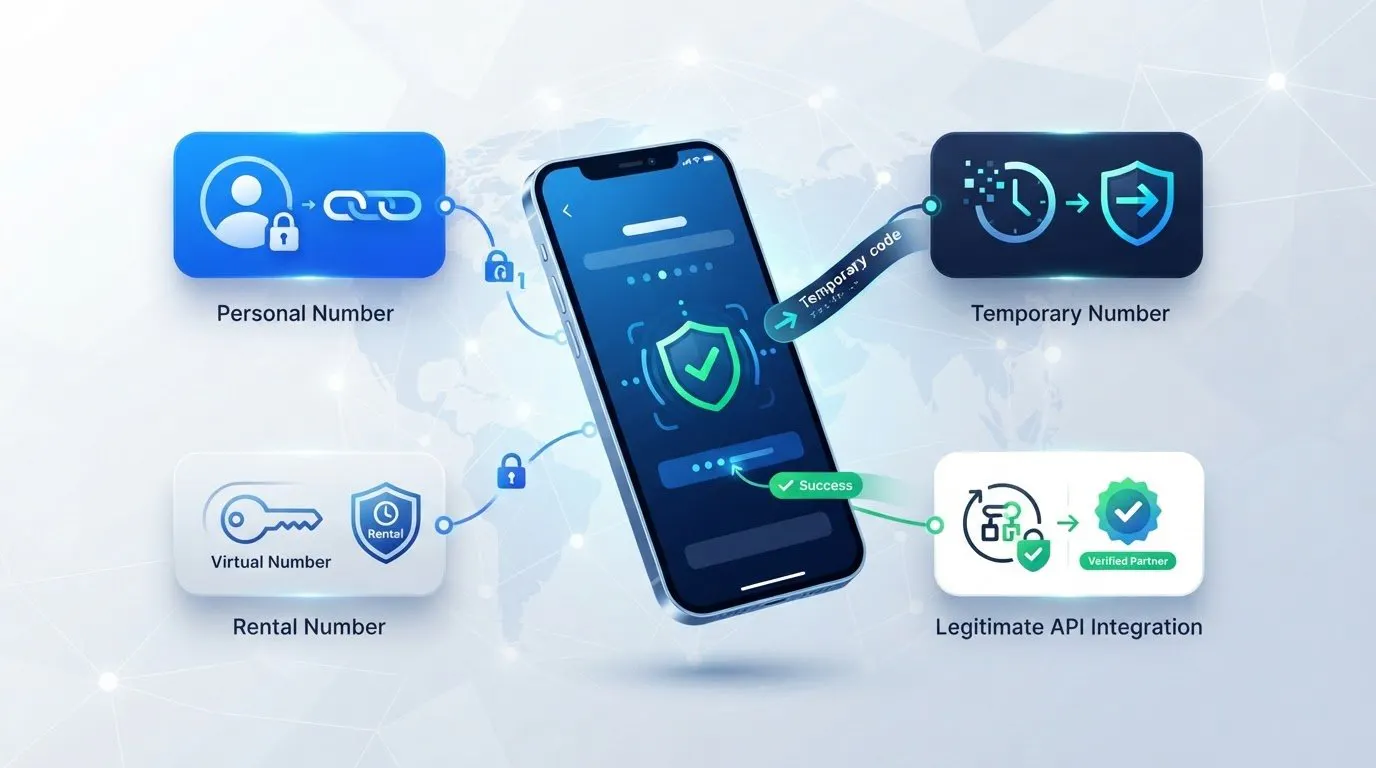
- Identity Isolation: Decoupling Phone Numbers and Emails
- Network-Level OPSEC: Mobile Proxies and IP Hygiene
- The 2026 Privacy Checklist for App Signups
- Long-Term Account Maintenance and Recovery OPSEC
Developing a Threat Model for Account Management
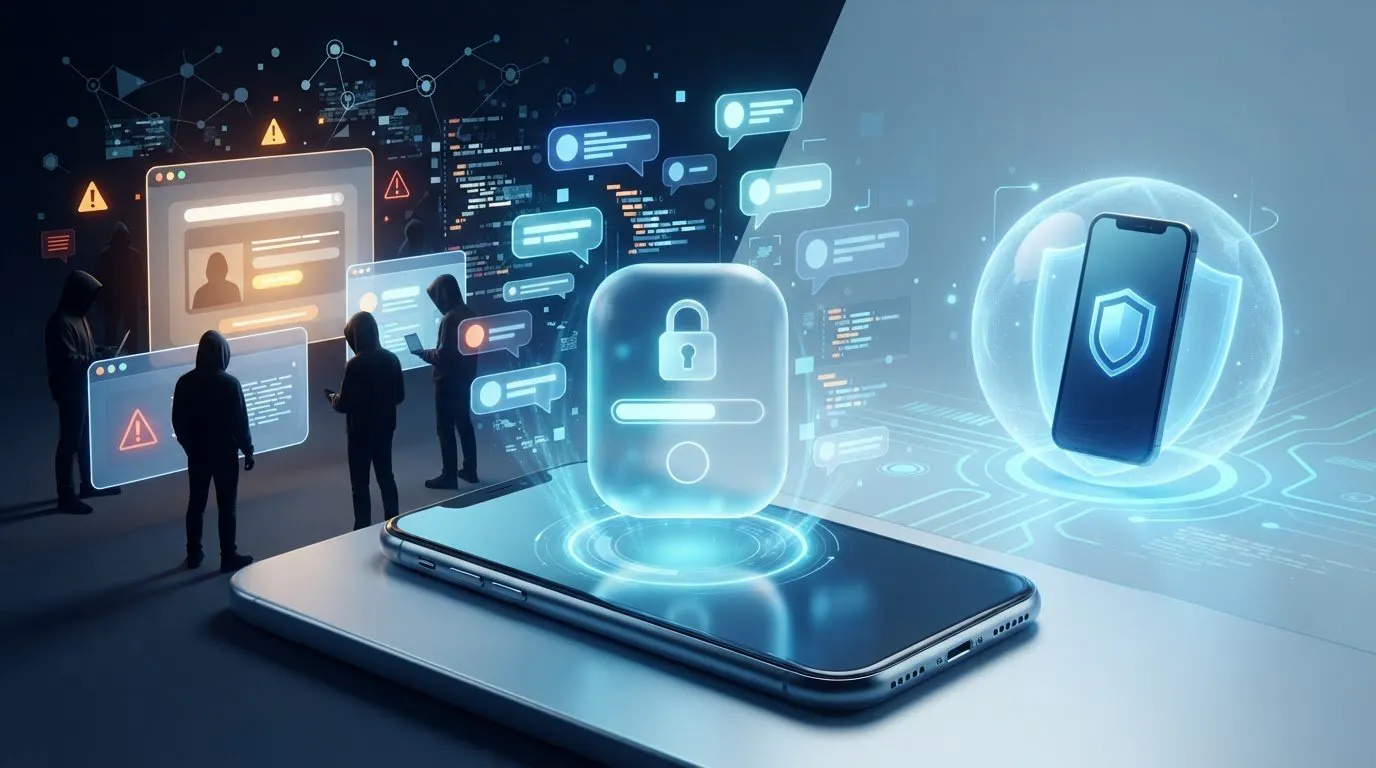
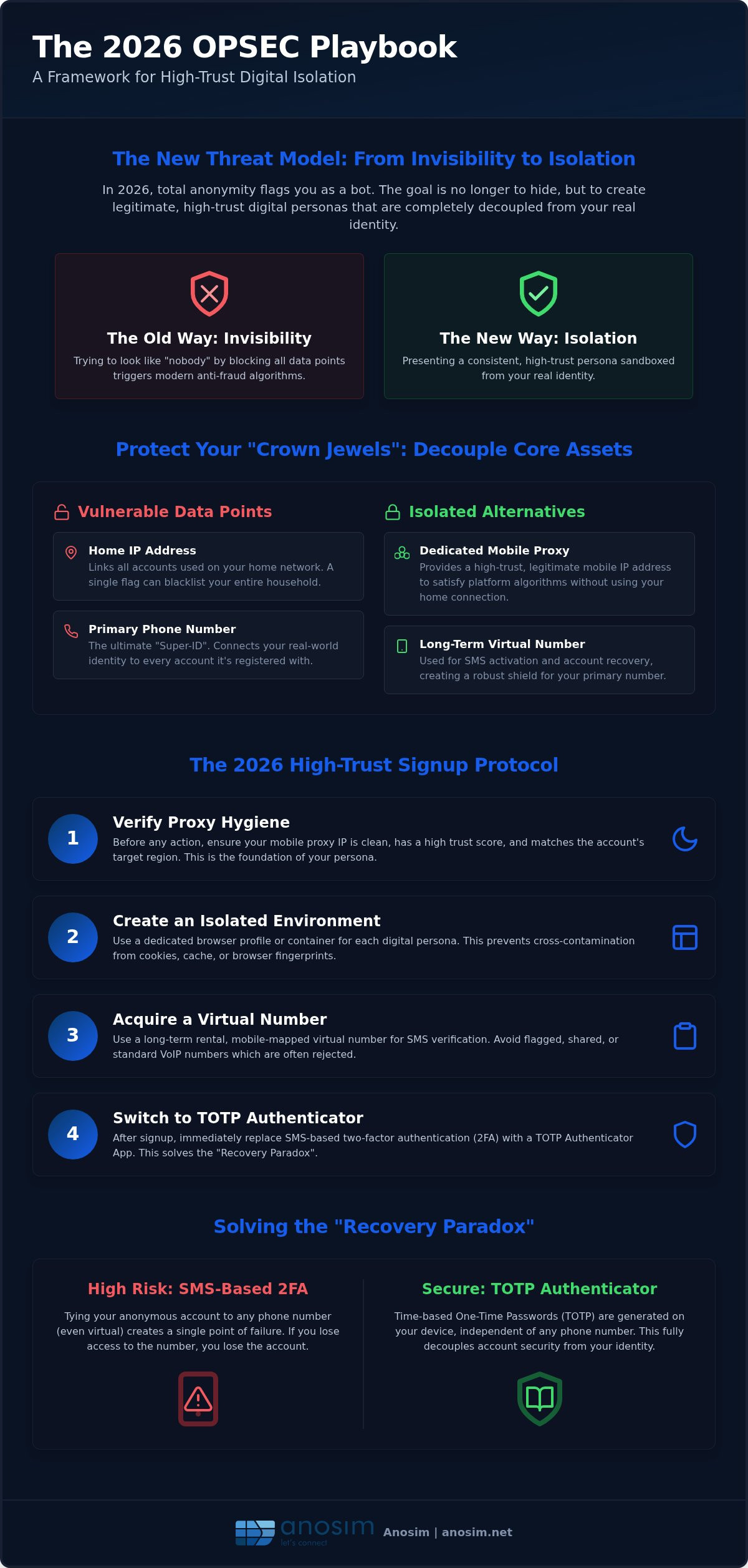
Traditional Operational security (OPSEC) was once about staying invisible, but in 2026, platform algorithms are too aggressive for total anonymity. If you attempt to look like nobody, you look like a bot. Effective opsec for online account management now focuses on strategic isolation rather than simple hiding. You must present a high-trust digital persona that appears legitimate to automated systems while remaining completely decoupled from your real-world identity.
The first step is identifying your "crown jewels." These are the data points that, if exposed, link all your activities together. Your primary phone number, your legal name, and your home IP address are the most common culprits. If you use your home Wi-Fi to log into a secondary account that later gets flagged for "suspicious activity," the platform's anti-fraud system may blacklist your entire household. This is the "blast radius" of a security failure. By isolating each account within its own technical sandbox, you ensure that a single account leak cannot compromise your entire portfolio.
You must also define your adversary. While hackers and data brokers remain threats, your most frequent adversary is the platform algorithm. These AI-driven systems analyze your browser fingerprint, your connection latency, and your hardware metadata to determine if you're a "high-risk" user. If your digital footprint shows inconsistencies, you'll face instant bans or aggressive verification loops.
Asset Identification and Risk Assessment
Modern signups demand "proof of humanity," which usually translates to a mobile phone number and a clean IP address. Cataloging these requirements before you start the signup process is essential. You need to weigh the cost of account loss against the cost of privacy infrastructure. If an account is critical for business, the investment in dedicated mobile proxies and long-term number rentals is a logical utility cost. A threat model for account management is a proactive risk mitigation strategy that determines which data points are safe to share and which must be replaced with virtual infrastructure.
The Principle of Least Privilege for Digital Personas
Each digital identity you manage needs its own sandbox to prevent cross-pollination. This means avoiding the reuse of browser profiles, passwords, or recovery emails. Even a single shared cookie can link two supposedly separate personas in the eyes of a data broker. You should limit the data each account can "see" about your other activities. If you're unsure how to maintain these technical boundaries, the Anosim FAQ on privacy offers detailed guidance on infrastructure isolation. By strictly controlling the flow of metadata, you maintain the integrity of your operational security and ensure long-term account stability.
Identity Isolation: Decoupling Phone Numbers and Emails
In the 2026 digital ecosystem, your phone number has evolved into the ultimate "Super-ID." While you can change a password in seconds, your mobile number is often hard-coded into your identity across hundreds of interconnected databases. Effective opsec for online account management starts with breaking this link. Every time you provide your primary number to a service, you're creating a permanent, searchable connection between your real-world identity and that digital persona. If one account is breached, your primary number acts as the thread that allows data brokers to stitch your entire online life together.
Platform algorithms have become highly adept at detecting and flagging standard VoIP numbers. High-friction services like Telegram, Discord, or financial apps often reject these numbers outright during the signup process. To bypass these filters, you must use mobile-mapped virtual numbers that appear to the system as legitimate cellular subscribers. This level of technical isolation is the only way to satisfy modern "proof of humanity" requirements without sacrificing your privacy. The Federal Trade Commission suggests that you Protect Your Personal Information by using multi-factor authentication, but using your real phone number for this purpose creates a significant vulnerability that most users overlook.
Email isolation is equally critical. Moving beyond simple secondary addresses to domain-level isolation ensures that your accounts cannot be linked via shared recovery emails or common naming patterns. When you combine isolated emails with dedicated virtual numbers, you create a robust barrier that prevents platform-wide tracking and protects your primary data from being harvested during routine signups. This approach is particularly effective when engaging with niche e-commerce sites; by using isolated credentials to purchase from My Seoul My Skin, you ensure your interest in authentic beauty products doesn't become a permanent data point in a cross-platform advertising profile.
Strategies for Secure SMS Verification
Choosing the right tool depends on your intended account longevity. For low-stakes services like one-off forum access or newsletter signups, a single SMS activation is usually sufficient. However, for accounts that require ongoing 2FA or occasional re-verification, you should rent a virtual number for long-term use. This ensures you maintain control over the verification channel, preventing a situation where you lose access to a professional account because you can't receive a mandatory security code.
Protecting Your Primary Number from Data Leaks
App signups are a primary vector for data leaks that lead to aggressive SIM-swapping and targeted phishing campaigns. When a platform's database is compromised, your primary number becomes a high-value target for social engineering. Understanding the role of temporary phone numbers for verification is essential for modern security. By using these isolated data points, you ensure that a leak at a third-party service never reaches your personal devices. If you manage multiple high-security personas, using Rent Mobile VoIP infrastructure provides the stability of a permanent line without the risk of real-world identity exposure.
Network-Level OPSEC: Mobile Proxies and IP Hygiene
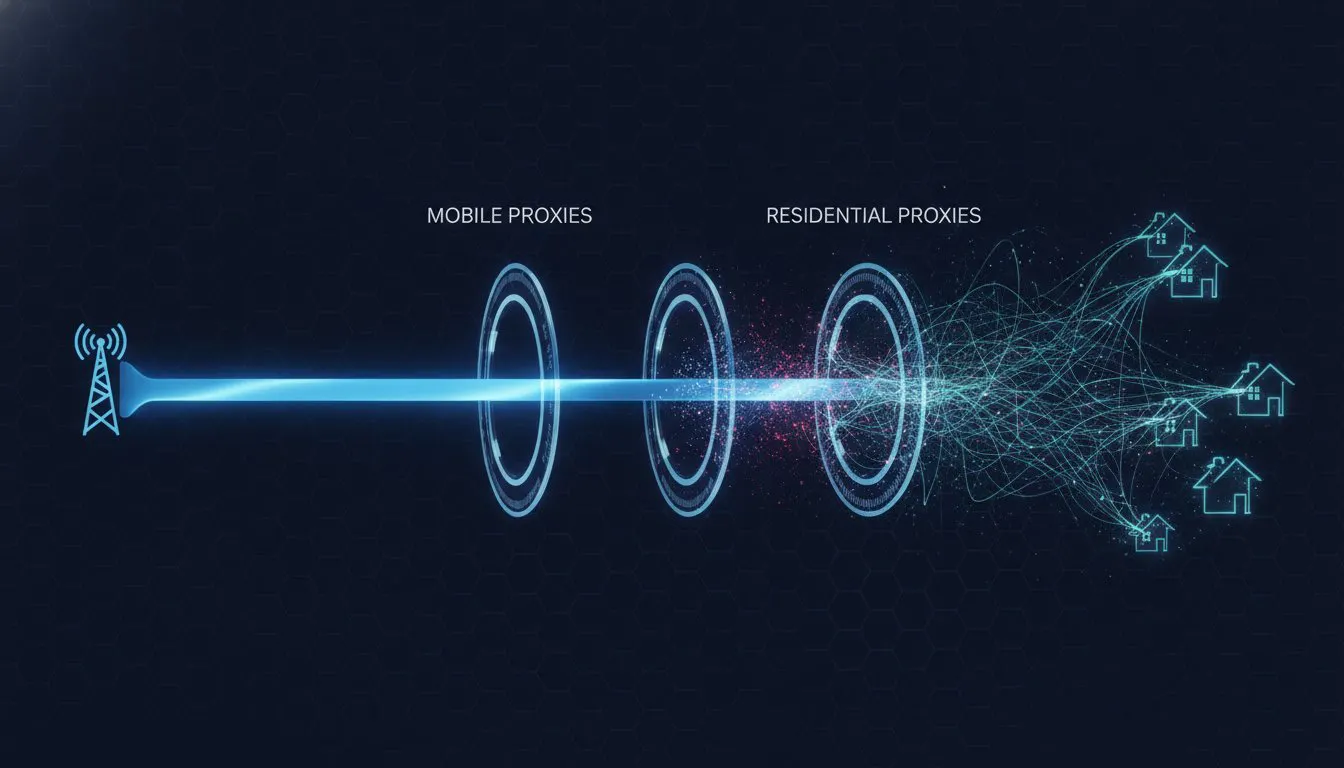
While isolating your identity handles the "who" of your digital persona, network-level security manages the "where." In 2026, using a standard VPN is often a critical failure in opsec for online account management. Most VPN providers utilize data-center IP ranges. Platform anti-fraud systems flag these addresses immediately because legitimate human users rarely browse from a server farm. If your connection originates from a known data center, you're instantly categorized as a bot or a high-risk user, leading to immediate "Suspicious Login" locks or shadowbans.
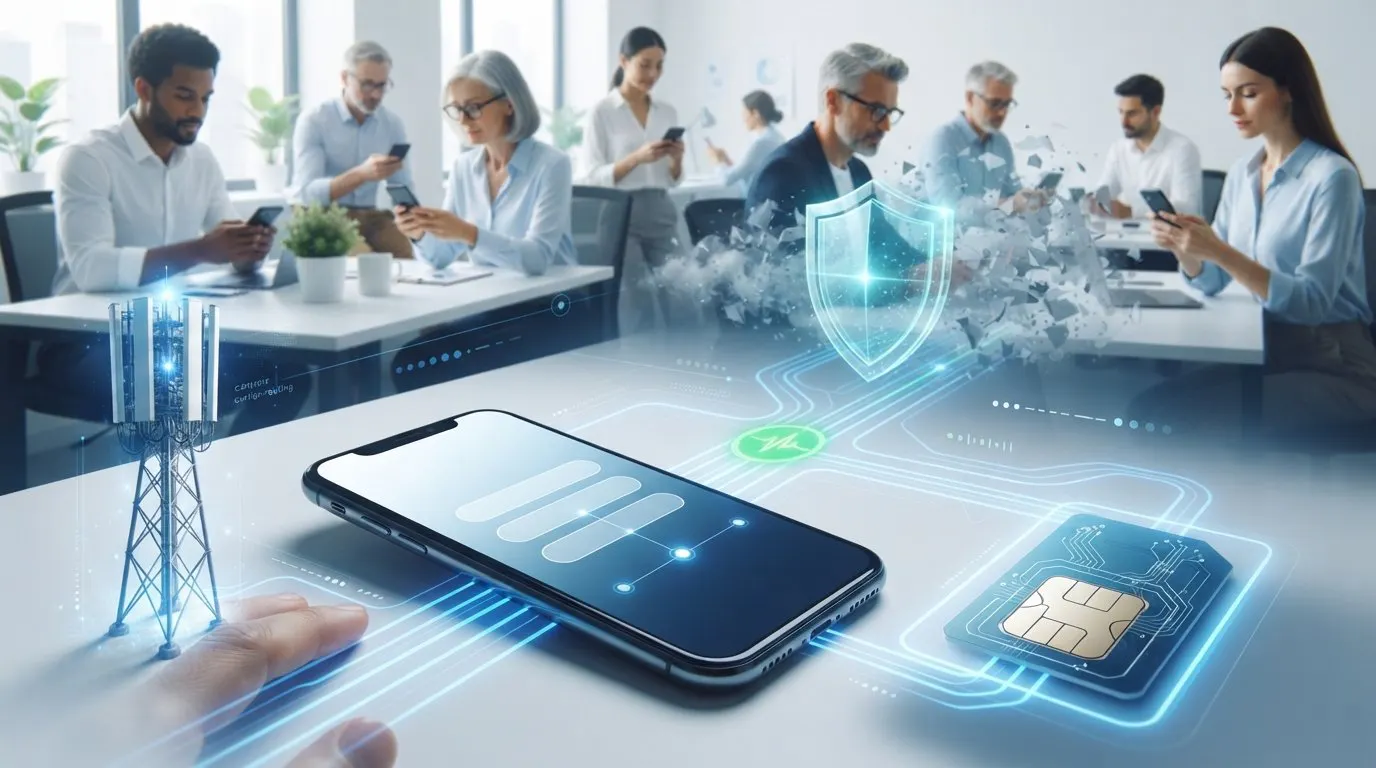
The solution lies in the "Mobile Trust Factor." Mobile carriers use Carrier-Grade NAT (CGNAT), which means thousands of real customers share a single IP address simultaneously. Platforms cannot easily block these IPs without causing massive collateral damage to their user base. By utilizing mobile proxies, you inherit the reputation of a legitimate cellular subscriber. Applying the foundational OPSEC process to your network traffic requires identifying the vulnerabilities in your connection metadata and replacing them with high-trust signals.
Maintaining IP consistency is just as vital as the IP type itself. If your account was created on a London-based mobile IP but you suddenly log in from a New York residential address, the algorithm will trigger a security checkpoint. You must ensure that your network environment remains stable throughout the account's lifecycle to prevent triggering automated fraud triggers.
Implementing Mobile Proxies for Account Management
Effective management requires routing your traffic through legitimate mobile network infrastructure. For the initial signup phase, you might use a rotating mobile IP to find a clean entry point. However, for long-term account maintenance, a static mobile IP or a consistent regional rotation is preferred. This mimics the behavior of a real user moving within a specific carrier's coverage area. For a deeper dive into the mechanics, see the Mobile Proxy: The Complete Technical Guide for implementation details. Using these tools correctly ensures your account remains in good standing with platform algorithms.
Browser Fingerprinting and Metadata Leakage
Modern tracking goes far beyond your IP address. Systems analyze your canvas fingerprint, WebRTC leaks, and even time zone mismatches to link your different personas. A mobile proxy masks your true location while providing a high-trust signal that mimics a legitimate cellular subscriber. To maintain complete isolation, you should use anti-detect browsers that allow you to create unique hardware profiles for every account. This prevents platforms from seeing that ten different accounts are running on the same physical laptop. By combining environment isolation with clean mobile proxies, you eliminate the technical breadcrumbs that lead to account correlation.
The 2026 Privacy Checklist for App Signups
Executing a successful signup without triggering an immediate security challenge requires more than just unique data. It requires a synchronized technical environment. In 2026, platform algorithms evaluate the "velocity" and "reputation" of your signup request before you even finish entering a username. If your browser fingerprint doesn't match your proxy's location, or if your email provider is known for high-volume bot creation, your opsec for online account management has already failed. This checklist ensures every data point you provide reinforces a high-trust signal.
Isolation is the foundation of this process. You must treat every new account as a completely fresh entity with no technical ties to your previous activity. This prevents "fingerprint clustering," where a platform links multiple accounts because they all share a specific hardware configuration or screen resolution. By following a methodical verification process, you can bypass aggressive anti-fraud filters that typically stop standard privacy tools.
Step-by-Step: From Environment Prep to Success
Before initiating any signup, you must ensure your environment is clean. This involves more than just clearing cache; you should use a dedicated container or a fresh anti-detect browser profile for every persona. Follow these steps for a secure execution:
- Environment Isolation: Launch a fresh browser container with WebRTC disabled to prevent your real IP from leaking behind the proxy.
- Proxy Verification: Check your mobile IP reputation on a fraud-score database. If the IP has been flagged recently, rotate it before proceeding.
- Identity Generation: Use a unique, domain-isolated email address that has no history of being linked to your primary accounts.
- SMS Selection: Choose the correct SMS activation service based on the specific app's requirements. High-friction platforms often require numbers from specific mobile carriers to pass the initial verification gate.
Common Pitfalls to Avoid During Verification
The verification stage is where most privacy-conscious users get flagged. A common mistake is using "free" public SMS receivers. These numbers are heavily blacklisted and often allow other users to see your verification codes, compromising your account instantly. If you encounter "Invalid Phone Number" errors on high-security platforms, it's usually because the service has detected a VoIP range. For specific platforms, referring to a Virtual Number for Discord Verification Guide can help you select the right mobile-mapped number to bypass these restrictions. Once the account is live, immediately navigate to settings and move from SMS-based 2FA to a TOTP authenticator app to ensure long-term access without needing the original phone line.
Ready to build your first isolated persona? You can get started with a clean SMS activation today to secure your next account without exposing your primary identity.
Long-Term Account Maintenance and Recovery OPSEC
The success of your opsec for online account management is measured by the longevity of your digital personas. Creating an account is only the first step. Maintaining it without triggering "suspicious activity" flags requires a consistent technical environment and a robust recovery strategy. If you lose access to an anonymous account because you didn't plan for a password reset or a mandatory security check, your operational security has failed. You must bridge the gap between remaining anonymous and retaining the ability to prove ownership to the platform when necessary.
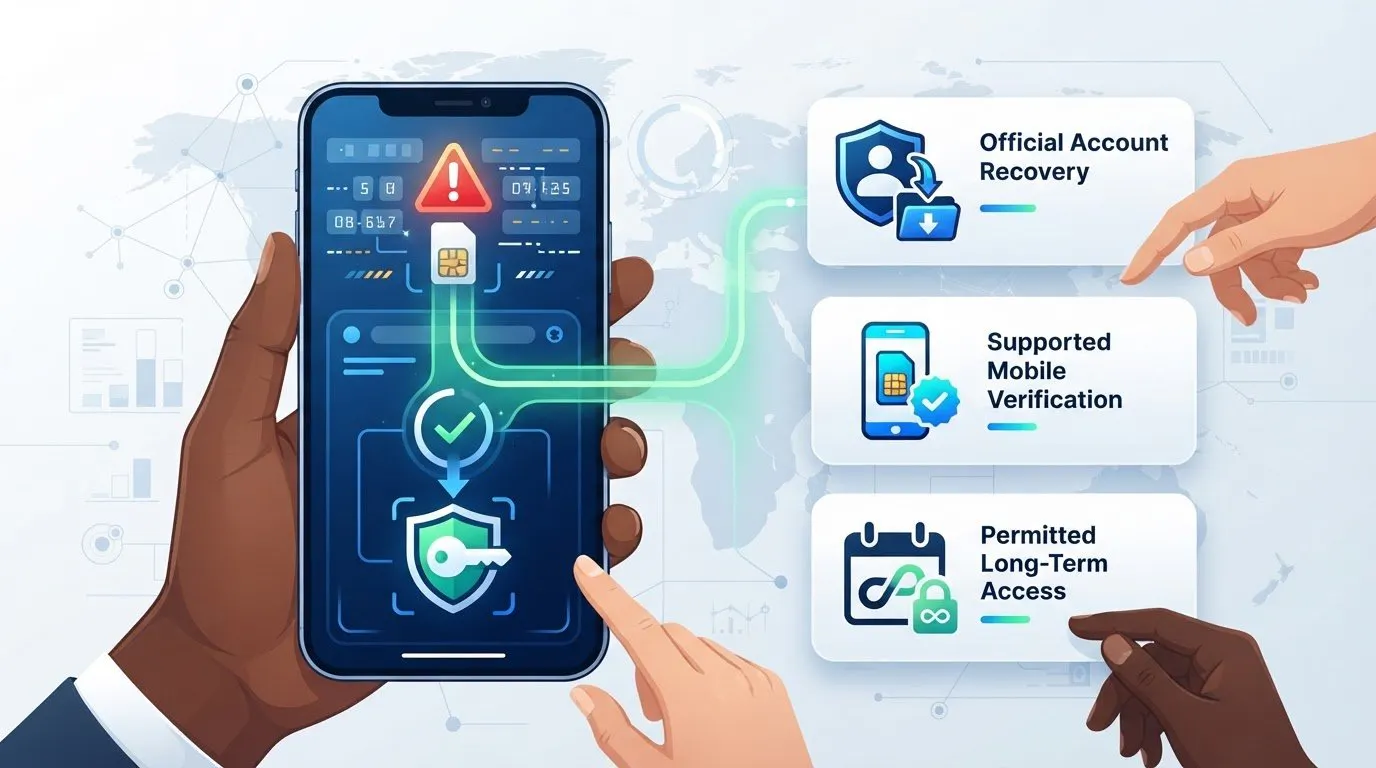
This challenge is often called the "Recovery Paradox." To solve it, you must move away from volatile verification methods as soon as the account is established. While an SMS activation is perfect for the initial gate, you should transition to TOTP authenticator apps for two-factor authentication immediately. This eliminates the need to maintain a specific phone line for routine logins. However, you must also secure your backup codes in an encrypted vault. These codes are your ultimate failsafe if your authenticator device is lost or compromised.
Documenting your setup is equally vital for long-term stability. You need to track which mobile proxy region was used for each persona and which virtual number was linked to the account. If you log in from a significantly different network fingerprint six months later, the platform may demand a re-verification that you aren't prepared for. Periodic audits of your credentials and checking for data leaks involving your isolated emails will ensure your portfolio remains secure against evolving threats.
Securing the Recovery Path
For accounts that are critical to your business or personal infrastructure, a one-time activation isn't enough. You need a persistent verification channel. Using Mobile VoIP rental for critical account recovery provides a stable, long-term number that behaves like a legitimate cellular line. This allows you to receive recovery codes months or years after the initial signup. For a deeper look at managing these assets, our Mobile VoIP Rental for Businesses: 2026 Guide details how to integrate these numbers into a professional security workflow.
Scaling Your Operations
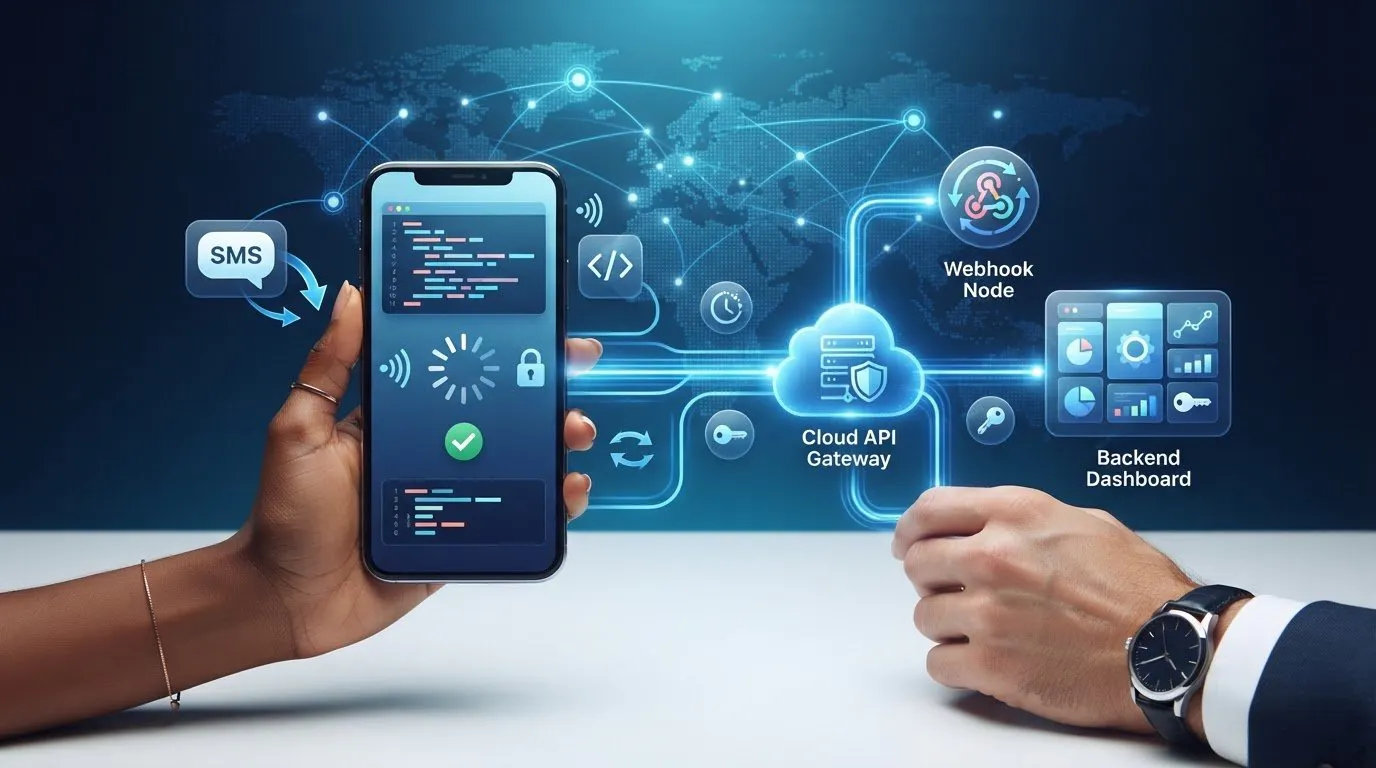
As your portfolio of digital personas grows, manual management becomes a liability. Human error is the leading cause of opsec failures. You can mitigate this risk by automating your account infrastructure using the Anosim API. This allows you to programmatically request activations and manage rentals, ensuring that every account follows the exact same security protocol. Maintaining a clean "Privacy Ledger" within an encrypted database helps you manage multiple personas without cross-contaminating their data points. By treating your opsec for online account management as a technical system rather than a series of manual tasks, you ensure long-term operational integrity.
Master Your Digital Isolation Strategy
Modern account security is a moving target. You've seen that successful opsec for online account management requires more than just a strong password; it demands technical isolation at the network and identity levels. For those managing professional portfolios, it is also wise to explore Tax Accounting Services to ensure financial compliance alongside digital security. By separating your "crown jewels" from your digital personas and utilizing high-trust signals like mobile proxies, you effectively neutralize the tracking algorithms that link your activity. The shift from total invisibility to high-trust isolation is your best defense in the 2026 landscape.
The transition from one-time activations to long-term recovery strategies ensures your accounts remain stable and accessible. This framework provides the reliability needed for professional and enterprise-level workflows. Anosim offers the infrastructure to execute this plan with global coverage for 500+ services and the high-trust mobile proxy infrastructure of our partner proxied.com. Developers can also leverage full API support to automate these security layers seamlessly. You can secure your digital identity with Anosim SMS activations and the mobile proxies of our partner proxied.com today. Taking control of your digital footprint is a proactive step toward long-term operational security. Stay secure.
Frequently Asked Questions
What is the difference between a VPN and a mobile proxy for OPSEC?
Mobile proxies route your traffic through legitimate cellular network towers, assigning you an IP address used by thousands of real mobile users. Standard VPNs typically utilize data-center IP ranges, which are easily identified and blacklisted by platform anti-fraud systems. Using a mobile proxy provides a significantly higher trust signal because platforms cannot block these IPs without affecting legitimate cellular subscribers.
Can I use a virtual number for Telegram or WhatsApp verification?
You can use virtual numbers for these services if the numbers are mobile-mapped. High-security apps like Telegram and WhatsApp often reject standard VoIP ranges during the signup process. By using a mobile-mapped virtual number, you satisfy the platform's "proof of humanity" requirements while keeping your primary phone number completely decoupled from the account.
Why do some apps reject my temporary phone number?
Apps reject numbers that appear in known VoIP databases or have been flagged for high-volume bot activity. This often happens with "free" public SMS services. Effective opsec for online account management involves using clean, private mobile-allocated numbers that appear as legitimate SIM cards to the platform's verification algorithms, ensuring a successful signup without immediate flagging.
How do I prevent my accounts from being linked via browser fingerprinting?
You should use anti-detect browsers to create unique hardware and software profiles for every digital persona. These tools mask your canvas fingerprint, WebRTC leaks, and hardware metadata. By isolating each account in its own dedicated browser environment, you prevent platforms from seeing that multiple personas are operating from the same physical machine or network configuration.
Is it legal to use virtual numbers for online account management?
Using virtual numbers for privacy and digital isolation is legal in most jurisdictions. These tools are standard infrastructure for privacy advocates, researchers, and professional account managers who need to protect their personal data. However, you must always ensure your activity complies with the specific platform's terms of service and adheres to local telecommunications regulations in your region.
What should I do if the app asks for a selfie or ID verification?
A request for ID or a selfie usually indicates that your technical environment triggered a high-risk flag. If your goal is anonymity, providing your real ID defeats the purpose of your isolation strategy. In these cases, it's often better to abandon the account and refine your initial environment prep, proxy hygiene, and signup execution to avoid triggering the algorithm again.
How long should I rent a number for a high-value account?
You should rent the number for the entire expected lifespan of the account if it requires ongoing 2FA. For high-value professional accounts, a rental of three to six months is a prudent baseline for opsec for online account management. This ensures you have a stable recovery path available for password resets or unexpected security challenges that require SMS re-verification.
Can I receive multiple SMS codes on the same rented number?
Yes, the Rent Number service allows you to receive unlimited inbound SMS codes from your selected platform during the rental period. This is a critical advantage over one-time activations, as it allows you to handle subsequent security checks, change account settings, or perform password recoveries without losing access to the original verification channel.