Linking a primary business line to a third-party platform for verification is essentially handing over a master key to your digital identity. In an environment where data leaks are frequent, mobile voip rental for businesses is the most effective way to decouple operational security from physical hardware. It's frustrating to manage hundreds of OTPs across multiple devices while worrying about privacy risks or the rising costs of traditional plans, which are hitting as high as $60 per user in 2026. You likely already feel that physical SIM cards are a bottleneck that prevents your operations from scaling efficiently.
This guide explains how mobile VoIP rentals empower you to secure inbound SMS, automate account verification via API, and maintain professional anonymity. We'll show you how to eliminate hardware requirements while staying ahead of the latest FCC numbering reforms. By the end of this article, you'll have a clear framework for using virtual infrastructure to protect your data and streamline your digital workflow.
Key Takeaways
- Transition from hardware-heavy PBX systems to flexible, cloud-based mobile rentals to streamline your communication infrastructure.
- Secure your digital presence by using dedicated virtual numbers for inbound SMS and OTP verification across major social and business platforms.
- Evaluate the strategic benefits of the utility rental model compared to traditional outbound-focused business phone plans.
- Integrate mobile voip rental for businesses into your existing tech stack using the Anosim API (v1) for rapid, automated number provisioning.
- Maintain operational anonymity and prevent data leaks by decoupling your primary business identity from third-party account verifications.
Table of Contents
- Understanding Mobile VoIP Rental for Modern Business Infrastructure
- The Role of Virtual Mobile Numbers in Secure Account Verification
- Mobile VoIP Rental vs. Traditional Phone Systems: A Comparison
- Scaling Business Operations with Programmatic VoIP and SMS APIs
- Implementing Anosim Mobile VoIP Rentals for Your Business
Understanding Mobile VoIP Rental for Modern Business Infrastructure
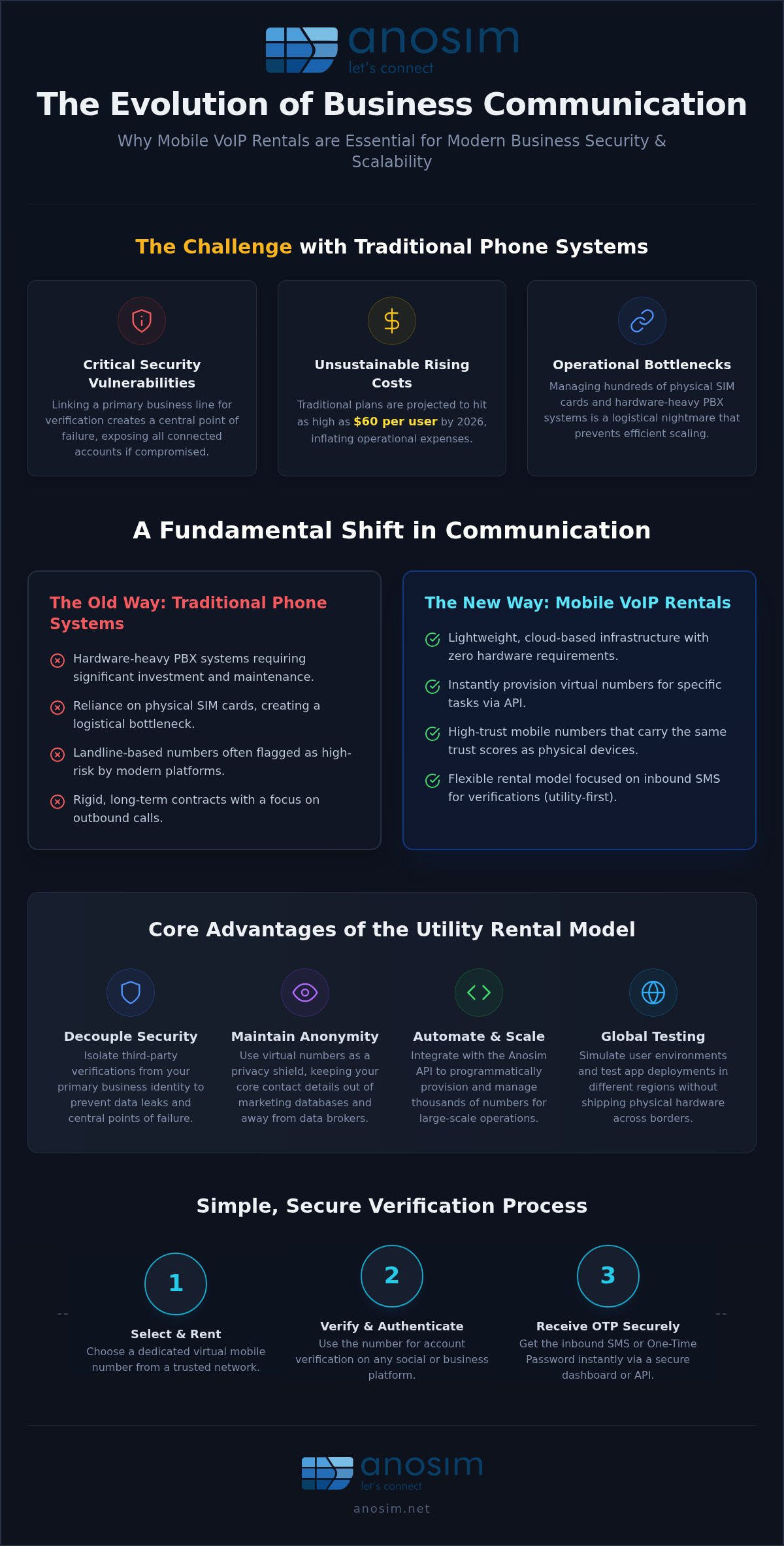
In 2026, the definition of a business phone line has shifted from a physical desk handset to a tactical digital asset. A mobile voip rental for businesses provides temporary or dedicated access to virtual numbers that are anchored in actual mobile networks rather than traditional landline exchanges. This distinction is critical. While legacy PBX systems required significant hardware investment and complex maintenance, modern rentals are lightweight and provisioned instantly via the cloud.
The industry is moving away from general-purpose communication toward utility numbers. These are numbers rented for specific, inbound-focused operational tasks. Most enterprise users don't need these lines for outgoing voice calls. Instead, they require a stable environment to receive inbound SMS and data packets. This utility-first approach allows teams to manage thousands of digital identities without the logistical nightmare of physical SIM cards or long-term telecommunications contracts.
The Evolution of Virtual Mobile Numbers
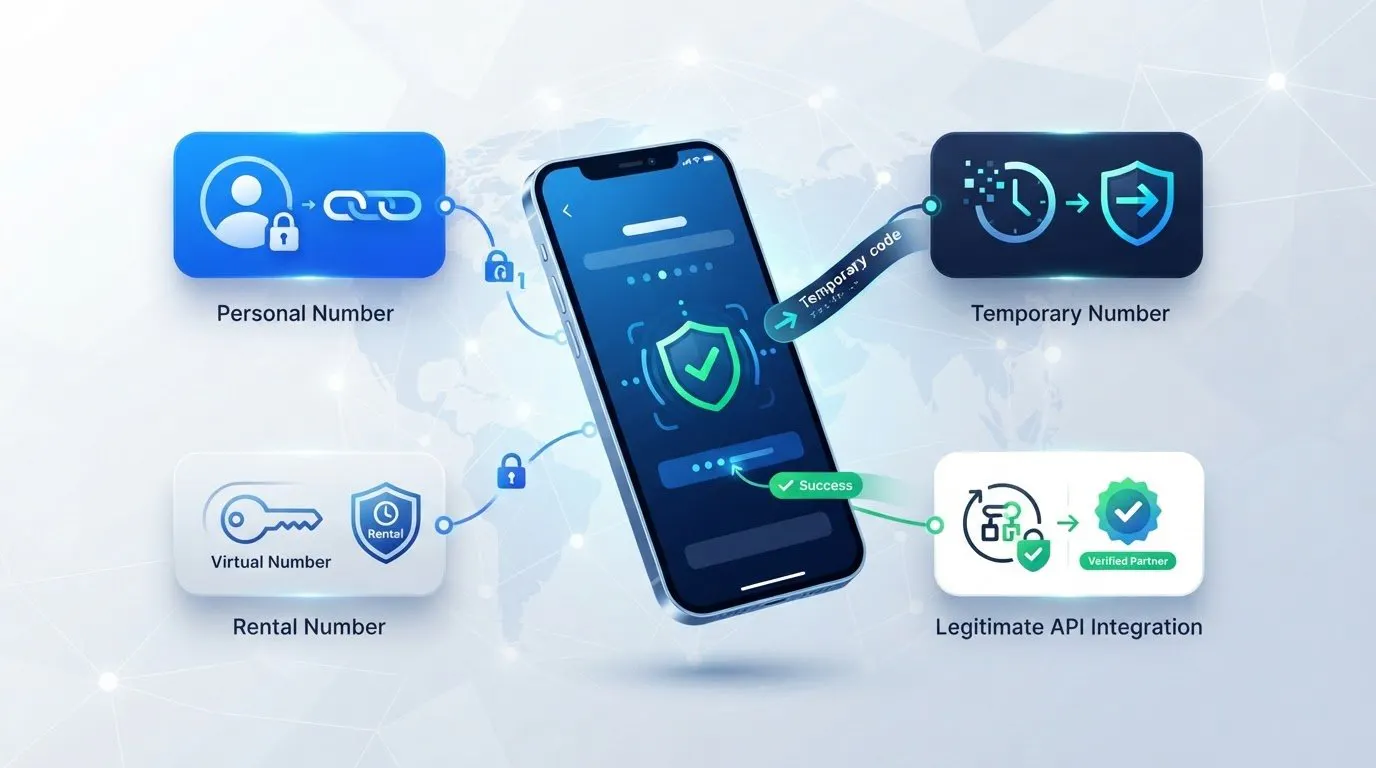
Traditional Mobile VoIP often relied on landline-based numbering, which many modern platforms now flag as high-risk. In contrast, mobile-formatted virtual numbers carry the same network trust scores as physical handsets. This is vital for maintaining high account success rates. When you rent number resources that appear as genuine mobile devices to automated security filters, you reduce the risk of immediate account restrictions. The rental model has largely replaced standard contracts because it offers granular control over duration; you pay for the number only as long as the task requires it.
Key Business Use Cases for 2026
The primary driver for mobile VoIP rental for businesses is secure account verification. As platforms like Google, Telegram, and Tinder increase their security requirements, receiving a One-Time Password (OTP) via a trusted mobile line is essential for corporate account management. Beyond verification, these numbers are indispensable for testing global app deployments. Developers can simulate user environments in different regions without shipping physical hardware across borders. Finally, using these numbers acts as a privacy shield. By using a rented number for third-party signups, you prevent your primary business data from being exposed in potential leaks or sold to marketing aggregators.
The Role of Virtual Mobile Numbers in Secure Account Verification
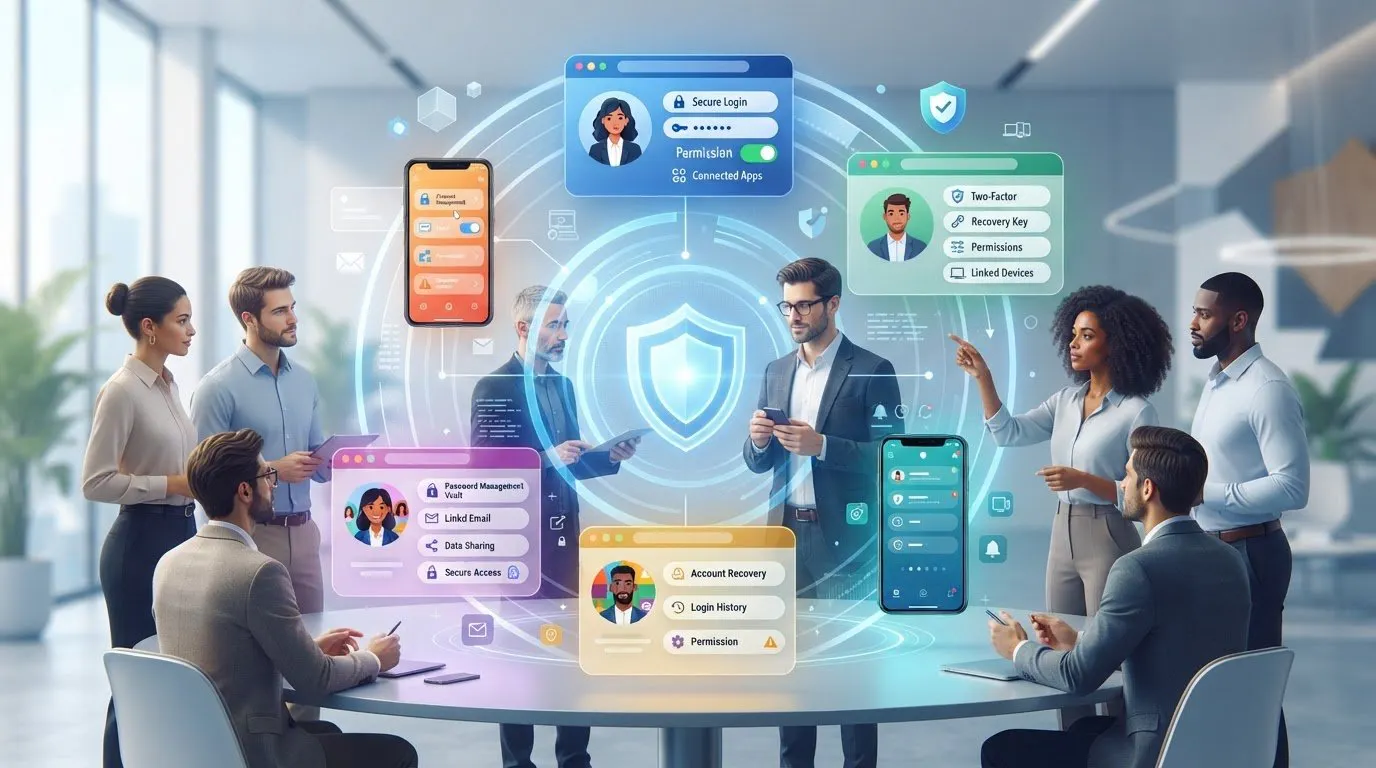
Managing multiple corporate identities across digital platforms requires more than just a standard phone plan. When a business attempts to verify accounts on Telegram, Tinder, or Google, using a primary office line creates a centralized point of failure. If that number is compromised, every linked account becomes vulnerable. Utilizing a mobile voip rental for businesses allows teams to isolate these verifications. By directing inbound SMS to a virtual mobile number, you decouple your operational identity from your security protocols.
The process is straightforward. You select a mobile-formatted number, enter it into the platform's verification field, and receive the One-Time Password (OTP) via a secure dashboard or API. This methodology aligns with modern anonymous SMS receiver strategies that prioritize data hygiene. Unlike traditional Voice Over Internet Protocol (VoIP) services that focus on outbound calls, this model is built specifically for the high-trust requirements of inbound mobile network traffic.
Bypassing Verification Hurdles Programmatically
Scaling a digital presence often involves managing dozens of profiles. Using the same number for multiple accounts is a fast track to shadowbanning. Rented mobile numbers provide the unique network fingerprints necessary to appear as a legitimate, individual user. For tasks requiring ongoing access, long-term rentals offer better stability than disposable options. If a platform requests a secondary verification weeks later, a dedicated line ensures you aren't locked out of your own infrastructure. You can rent number resources for specific durations to match your project's lifecycle, ensuring you only pay for the utility you use.
Preventing Data Leaks During App Signups
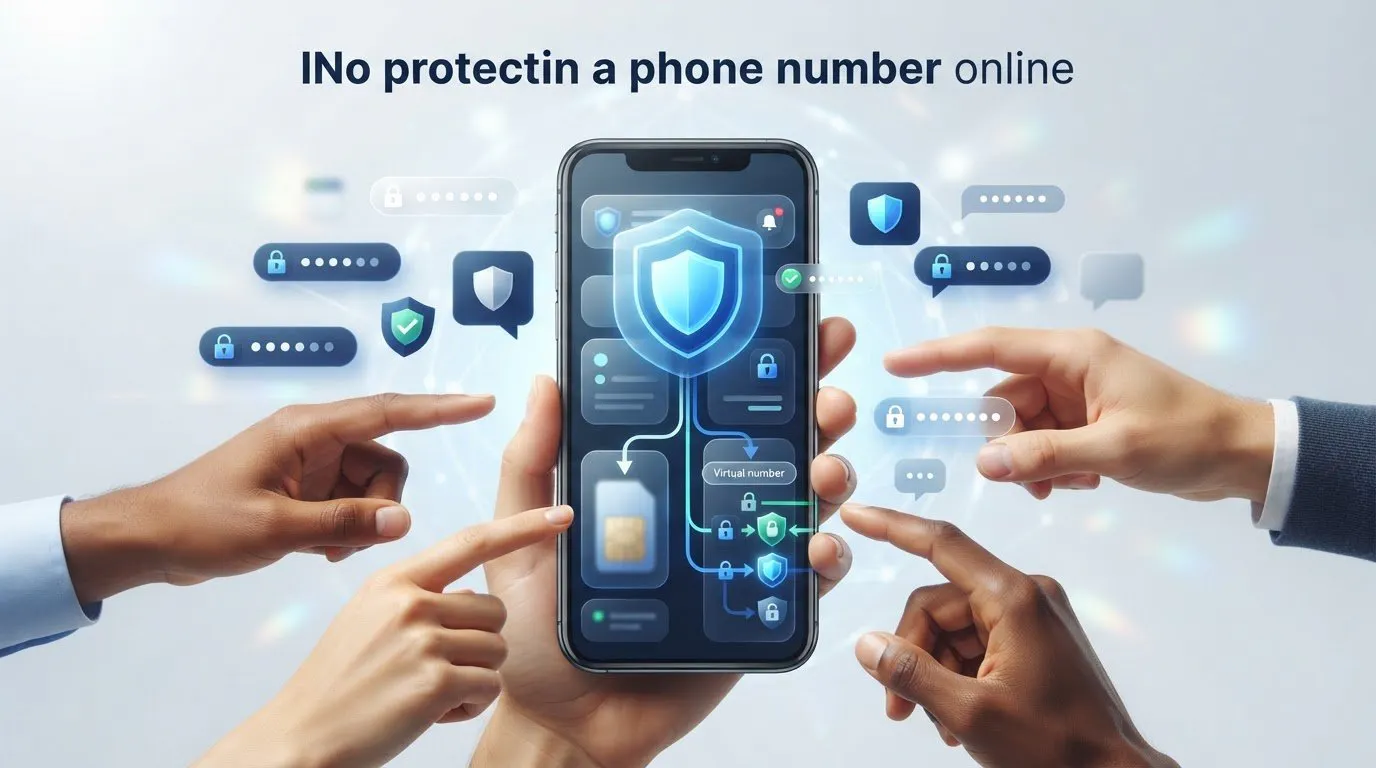
Virtual numbers act as a critical privacy buffer for corporate data by preventing your primary contact information from entering third-party marketing databases. In 2026, as the FCC implements stricter numbering reforms and disclosure requirements for VoIP providers, the value of data isolation has increased. Many platforms now sell user data to aggregators; a dedicated virtual line ensures that these leaks stop at the rental number rather than reaching your executive team. Implementing mobile voip rental for businesses is no longer just an option for developers; it is a standard security practice for any organization that values digital anonymity and operational integrity. If you need immediate access for a single project, consider starting with an SMS activation to see how the system integrates with your workflow.
Mobile VoIP Rental vs. Traditional Phone Systems: A Comparison
Traditional phone systems are designed for employee-to-customer communication. They prioritize outbound calling, long-term retention, and unified messaging. In contrast, mobile voip rental for businesses focuses on tactical utility. It is an infrastructure choice specifically for security and verification tasks. When evaluating these tools, you must decide if your goal is a communication hub or a secure, inbound-focused asset. The "office phone" model is often too heavy and transparent for privacy-centric operations.
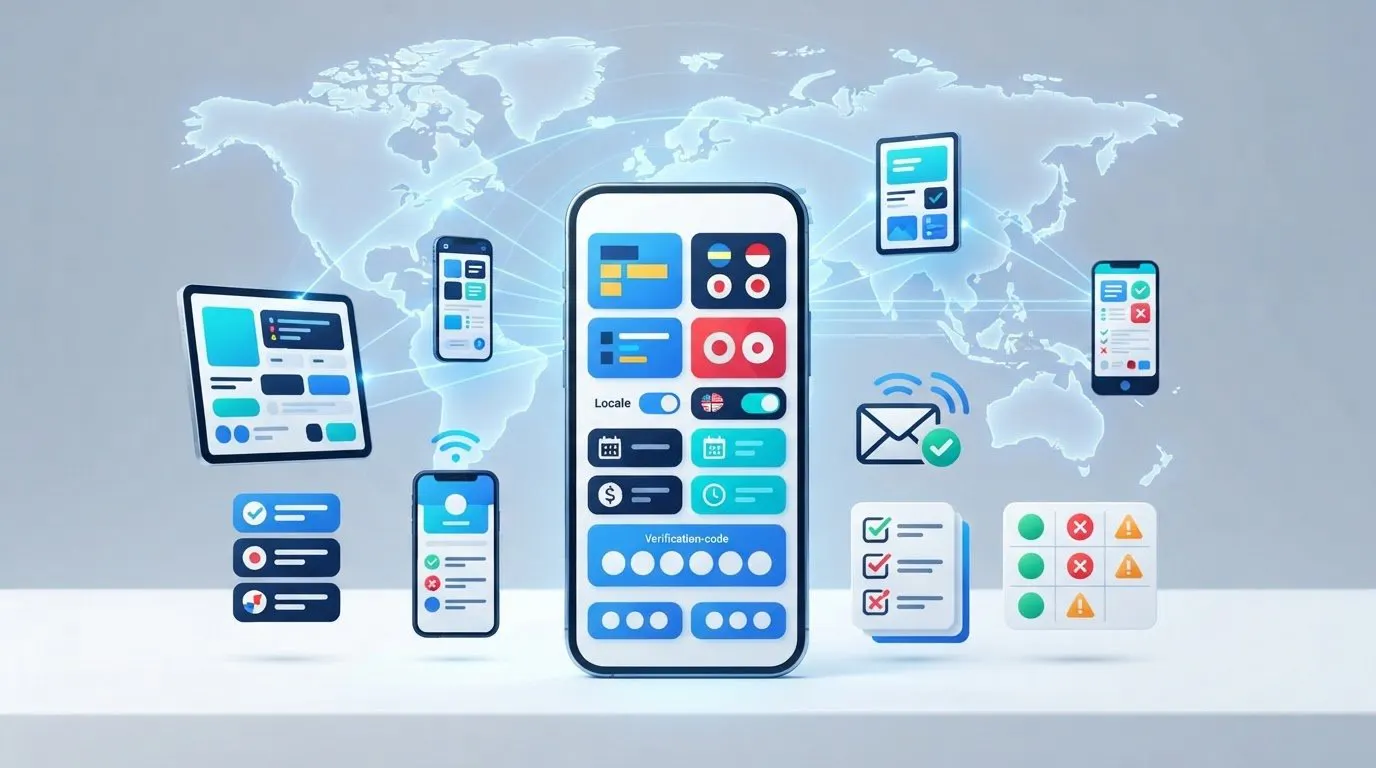
Physical SIM cards represent a major bottleneck for global digital operations. Managing physical hardware across borders involves shipping delays, customs regulations, and high maintenance costs. A virtual rental model removes these constraints. You can provision a number in a different region from a single dashboard in seconds. This flexibility is essential for businesses that need to scale their digital footprint without the logistical burden of hardware.
Cost and Scalability Analysis
Traditional VoIP providers often charge between $20 and $40 per user every month. This doesn't account for the cost of desk phones, which can range from $80 to $400 per unit. For project-based work or automated tasks, these recurring fees and hardware costs are inefficient. A rental model allows for rapid scaling with minimal overhead. You don't have to worry about capital expenditure or long-term contracts. The "pay-per-activation" approach is far more sustainable for developers managing high volumes of accounts. It allows you to expand or contract your resources based on immediate demand.
Privacy and Anonymity Benchmarks
Security is the primary differentiator between these two models. Traditional providers require extensive Know Your Customer (KYC) documentation. This process links your business identity to every number you use, creating a data trail that is difficult to manage. According to the NIST publication on Security Considerations for Voice Over IP Systems, centralized infrastructures face specific vulnerabilities that can expose corporate data. A mobile voip rental for businesses provides a layer of anonymity by allowing you to use numbers without linking them to your primary records.
To achieve total operational security, many organizations pair their virtual numbers with mobile proxies of our partner proxied.com. This combination ensures that both your phone number and your IP address appear as legitimate mobile network traffic. It makes your automated workflows indistinguishable from standard user behavior. This level of discretion is simply not possible with traditional office phone plans that focus on transparency and staff management.
Scaling Business Operations with Programmatic VoIP and SMS APIs
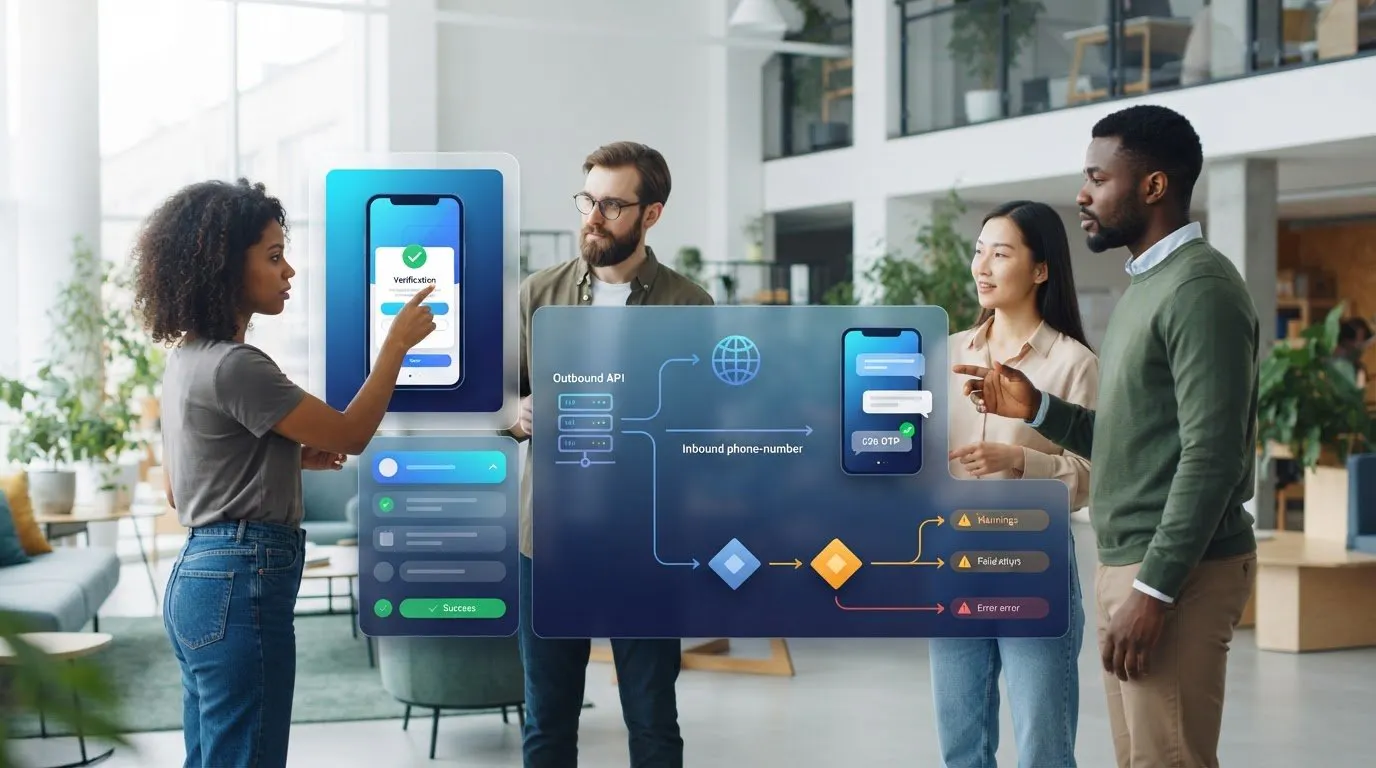
Scaling a digital operation requires more than just manual processes. For organizations managing hundreds of accounts, manually entering phone numbers is a significant bottleneck. Integrating mobile voip rental for businesses into your existing tech stack allows for rapid, automated growth. By leveraging programmatic interfaces, you can provision numbers on demand without human intervention. This efficiency is why developers prioritize systems that offer robust API compatibility over manual dashboards.
The Anosim API (v1) provides a direct path for instant number provisioning. It's designed for high-volume tasks where speed and reliability are paramount. Additionally, the platform's compatibility with the SMS-Activate Standard API ensures that developers already familiar with industry-standard protocols can migrate or integrate their workflows with minimal friction. This dual-compatibility makes it easier to build a resilient infrastructure that handles account verification at scale across global markets.
Automating the Rental Lifecycle
To successfully automate your verification pipeline, your software should follow a logical sequence. This ensures that resources are allocated efficiently and that costs are strictly controlled. A typical programmatic lifecycle includes these four phases:
- Step 1: Authentication. Establish a secure connection via API using your unique credentials to ensure all requests are authorized and tracked.
- Step 2: Selection. Specify the target service, such as WhatsApp or Amazon, and the preferred country for the virtual number to match your operational requirements.
- Step 3: Provisioning. Programmatically retrieve the virtual mobile number from the available pool for immediate use in your registration workflow.
- Step 4: Verification. Fetch the inbound SMS code directly through the API to complete the platform's verification request without manual input.
Developer Best Practices for Virtual Numbers
Effective error handling is the most critical component of an automated SMS retrieval loop. If a verification code is delayed, your script should implement a timeout and retry logic rather than looping indefinitely. Managing your rental durations via API is another way to optimize business costs. For long-term projects, ensure your script monitors the expiration of each mobile voip rental for businesses to prevent accidental account lockouts. Detailed technical specifications and implementation examples are available in the Anosim API documentation.
Setting up an automated verification pipeline requires a clear roadmap. Before deployment, verify that your system can handle service-specific requirements and that your API keys are properly secured. If you're ready to implement these tools, you can explore the Rent Service options to find the best fit for your automation needs.
Implementing Anosim Mobile VoIP Rentals for Your Business
Anosim functions as a silent facilitator for digital infrastructure. We provide the technical foundation for businesses to operate without the data exposure inherent in traditional telecommunications. By adopting a mobile voip rental for businesses, you shift from a reactive security posture to a proactive one. Whether you need a single SMS activation for a quick project or a set of dedicated lines for ongoing operations, the transition is designed to be frictionless.
Auditing your current verification workflow is the first step toward better data hygiene. Many organizations still rely on primary staff numbers or landline-based virtual numbers that are easily flagged by security algorithms. Replacing these with mobile-network-sourced rentals ensures that your corporate accounts remain stable and your primary data stays isolated. It's a pragmatic choice for any team that values operational efficiency and technical robustness.
Why Businesses Choose Anosim in 2026
Reliability is the core requirement for any virtual communication tool. Our virtual numbers are sourced directly from mobile networks, which maintains the high trust scores necessary to bypass geographic restrictions and automated filters. This is a tactical advantage for businesses operating in global markets. We don't just provide numbers; we provide a privacy-centric environment where your digital footprint is strictly managed. This commitment to technical competence is why developers and security officers prefer our infrastructure over flashy, consumer-facing brands.
- Global coverage that bypasses geographic restrictions for app testing and deployment.
- High-trust mobile network numbers that reduce the risk of account shadowbanning.
- Seamless integration with existing automated workflows via a stable API.
Next Steps for Your Digital Strategy
Scaling your operations requires a robust partnership. If your organization manages a high volume of accounts, our reseller program offers the capacity and API support needed for enterprise-level tasks. Start by identifying the "data gaps" in your current signup processes. Look for any platform where a primary business number is currently linked to a third-party service. Replacing these with virtual rentals is a simple but effective way to minimize your risk of a data breach.
The digital landscape of 2026 demands discretion and efficiency. You can explore the rent mobile VoIP service today to see how virtual infrastructure can secure your operations. By decoupling your identity from your verification needs, you protect your business and your team from unnecessary exposure. It's time to move beyond physical hardware and embrace a more secure, utility-first approach to mobile voip rental for businesses.
Securing Your Enterprise Digital Identity for 2026
The transition from physical hardware to virtual infrastructure is no longer a luxury for developers and security teams. By decoupling your corporate identity from physical SIM cards, you eliminate the logistical bottlenecks and data leak risks that traditional phone plans create. Implementing a mobile voip rental for businesses ensures your operations remain anonymous, scalable, and resilient against evolving platform restrictions. You've seen how dedicated inbound SMS solutions provide a higher trust score than landline-based alternatives; this is essential for maintaining account stability in 2026.
Anosim provides the technical foundation needed for these advanced workflows with full API v1 support and global virtual number coverage. Our privacy-first inbound SMS solutions allow you to automate verification pipelines while keeping your primary data isolated. It's time to audit your current verification strategy and replace vulnerable points with secure, cloud-based alternatives. Secure your business accounts with Anosim Mobile VoIP rentals today and start building a more secure digital footprint. Your operations deserve the stability and discretion that only a professional virtual number infrastructure can provide.
Frequently Asked Questions
How does mobile VoIP rental differ from a standard virtual phone number?
Mobile VoIP rental differs from standard virtual numbers by using mobile-network-sourced numbering rather than landline-based systems. This distinction is vital because platforms like Google and Telegram check the network type to prevent fraud. A mobile voip rental for businesses provides the high trust scores needed for successful verification. Standard virtual numbers are often flagged as high-risk; mobile rentals appear as genuine handsets to automated security filters.
Can I use rented mobile VoIP numbers for outbound business calls?
No, you cannot use these numbers for outbound business calls or outgoing SMS. The infrastructure is built exclusively for inbound utility tasks like account verification and data privacy. This focus on inbound traffic ensures a more stable and secure environment for receiving sensitive authentication codes. If your business requires a platform for staff to make client calls, a traditional outbound VoIP provider would be a more suitable choice.
Is it legal for businesses to use virtual numbers for account verification?
It's entirely legal for businesses to use virtual numbers for account verification and privacy management. Organizations use these tools to protect corporate data and prevent primary business lines from entering third-party databases. While some platforms have their own terms regarding virtual numbers, using them for data hygiene is a standard security practice. It's a pragmatic way to comply with internal privacy policies while managing a global digital footprint.
How long can I rent a virtual mobile number from Anosim?
You can rent virtual mobile numbers for various durations depending on your specific project needs. Options include one-time SMS activations for immediate tasks or longer-term rentals, often starting at 30 days. This flexibility allows you to align your costs with the project lifecycle. If you need a number for ongoing account management, a longer rental ensures you maintain access for any secondary verification requests the platform might send.
Will rented numbers work for two-factor authentication (2FA) on major platforms?
Rented numbers are specifically designed to work with two-factor authentication (2FA) on all major digital platforms. Because they carry mobile network metadata, they successfully bypass the security blocks that many services place on landline-based VoIP lines. This makes mobile voip rental for businesses a reliable choice for securing corporate profiles on WhatsApp, Amazon, or social media. It ensures that your authentication codes arrive without being filtered as spam or fraudulent traffic.
Do I need a physical SIM card to use a mobile VoIP rental?
No, you don't need a physical SIM card or any specific hardware to use this service. The entire system is cloud-based; you access your rented numbers and inbound messages through a web dashboard or a programmatic API. This eliminates the logistical challenges of shipping SIM cards or managing physical mobile devices across different geographical regions. It's a lightweight solution for businesses that need to scale their digital operations without hardware bottlenecks.
How do I integrate mobile VoIP rental into my existing software via API?
You integrate the service into your software by using the Anosim API (v1) or the SMS-Activate Standard API. These protocols allow your system to request a number, specify the country, and retrieve the inbound SMS code automatically. This programmatic approach is essential for businesses that need to verify accounts at scale. Detailed documentation is provided to help your developers establish a secure and efficient connection between your workflow and our virtual infrastructure.
What happens if I don’t receive the SMS code on my rented number?
If you don't receive an SMS code on your rented number within the activation window, you generally aren't billed for that attempt. You can simply cancel the request and try again with a new number from the available pool. This ensures that you only pay for successful utility. It's a low-risk way to manage account verifications; especially when dealing with platforms that may occasionally experience delivery delays or network-specific filtering.