Did you know that the average cost of a data breach in the United States reached a staggering $10.22 million in 2026? It's a sobering reality that explains why you likely feel a surge of hesitation every time a new platform demands your personal mobile number for a simple signup. You've probably dealt with the frustrating cycle of constant spam calls or the fear that your primary identity is just one server leak away from being compromised. It's exhausting to trade your privacy for basic digital access, especially when low-quality numbers often lead to immediate account bans.
This guide details the technical infrastructure required to shield your personal data effectively. You'll learn how to deploy a professional virtual phone number for privacy protection to bypass invasive verification requirements while maintaining complete control over your digital footprint. We'll examine the specific mechanics of high-trust SMS activations and professional rent services. By the end of this guide, you'll know how to secure successful account verifications without a real SIM card, ensuring your primary device remains a zero-spam zone while you operate with total anonymity across any platform.
Key Takeaways
- Understand why your phone number is considered the "master key" to your personally identifiable information and how to deploy a technical buffer between your identity and the public web.
- Discover how to use a virtual phone number for privacy protection to bypass verification requirements on high-security platforms without risking an account ban.
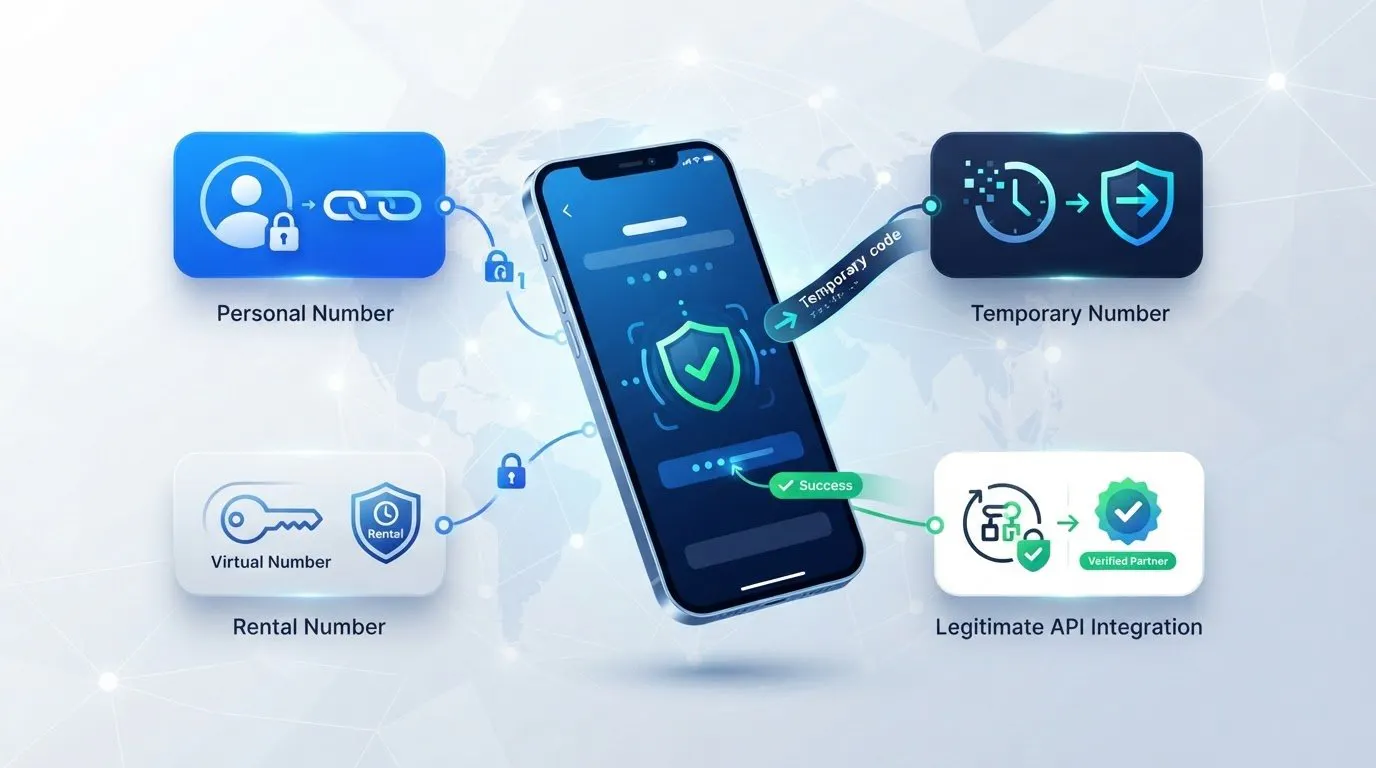
- Identify when to utilize a one-time SMS Activation for quick signups versus a long-term Rent Number service for ongoing account management and stability.
- Learn to distinguish between standard VoIP and high-trust mobile-backed numbers to ensure your verification attempts aren't flagged by platform blacklists.
- Explore how technical users can leverage the Anosim API (v1) to automate privacy protocols and manage multiple virtual identities at scale.
Table of Contents
- The Growing Need for a Virtual Phone Number for Privacy Protection
- How Virtual Phone Numbers Protect Your Digital Footprint
- Choosing the Right Privacy Tool: VoIP vs. Mobile-Backed Numbers
- Step-by-Step: Securing Your Accounts on Tinder, Telegram, and More
- Professional Privacy Management with Anosim
The Growing Need for a Virtual Phone Number for Privacy Protection
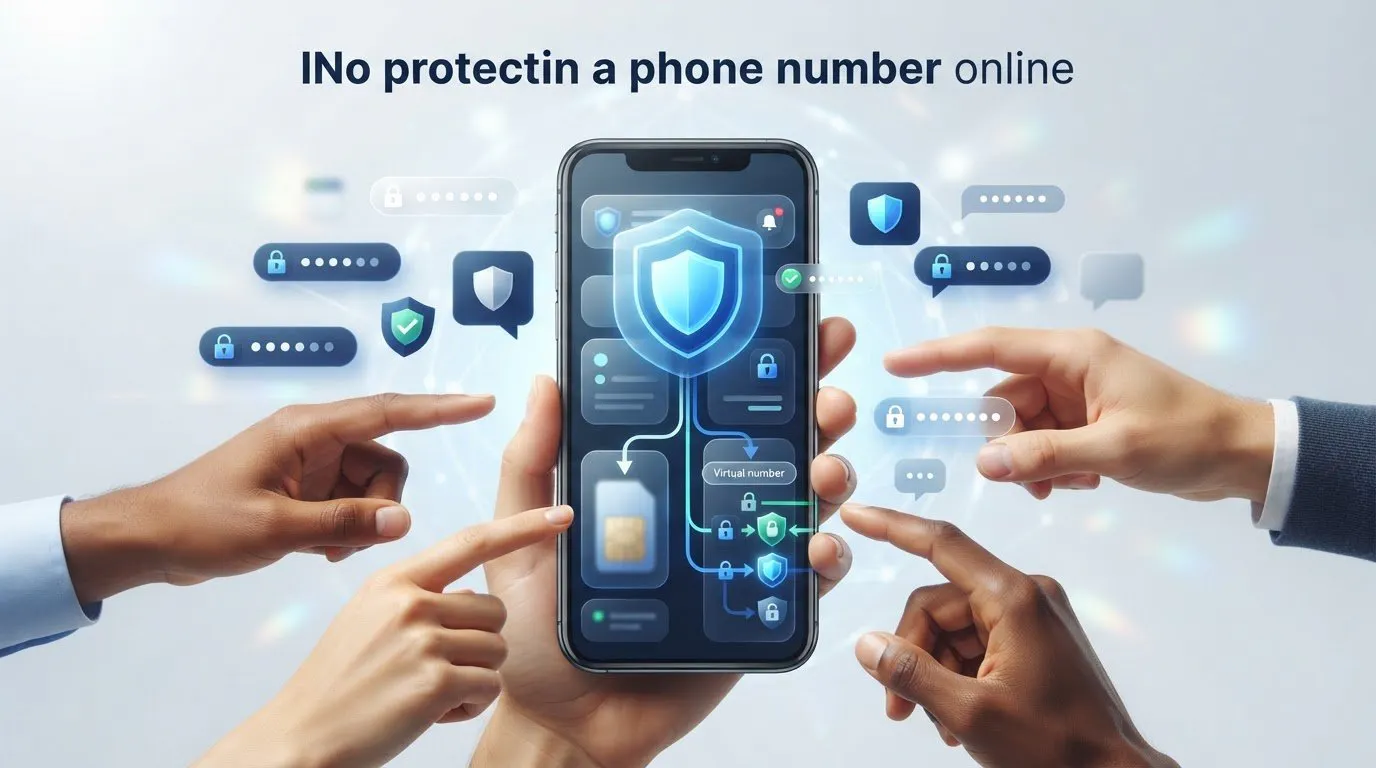
A professional virtual phone number serves as a critical isolation layer between your physical device and the digital services you access daily. By understanding what a virtual number is, you can see it's essentially a technical buffer that handles inbound communications without exposing your underlying hardware or billing identity. This separation is no longer a luxury for the tech-savvy; it's a necessary operational requirement for anyone navigating the internet in 2026.
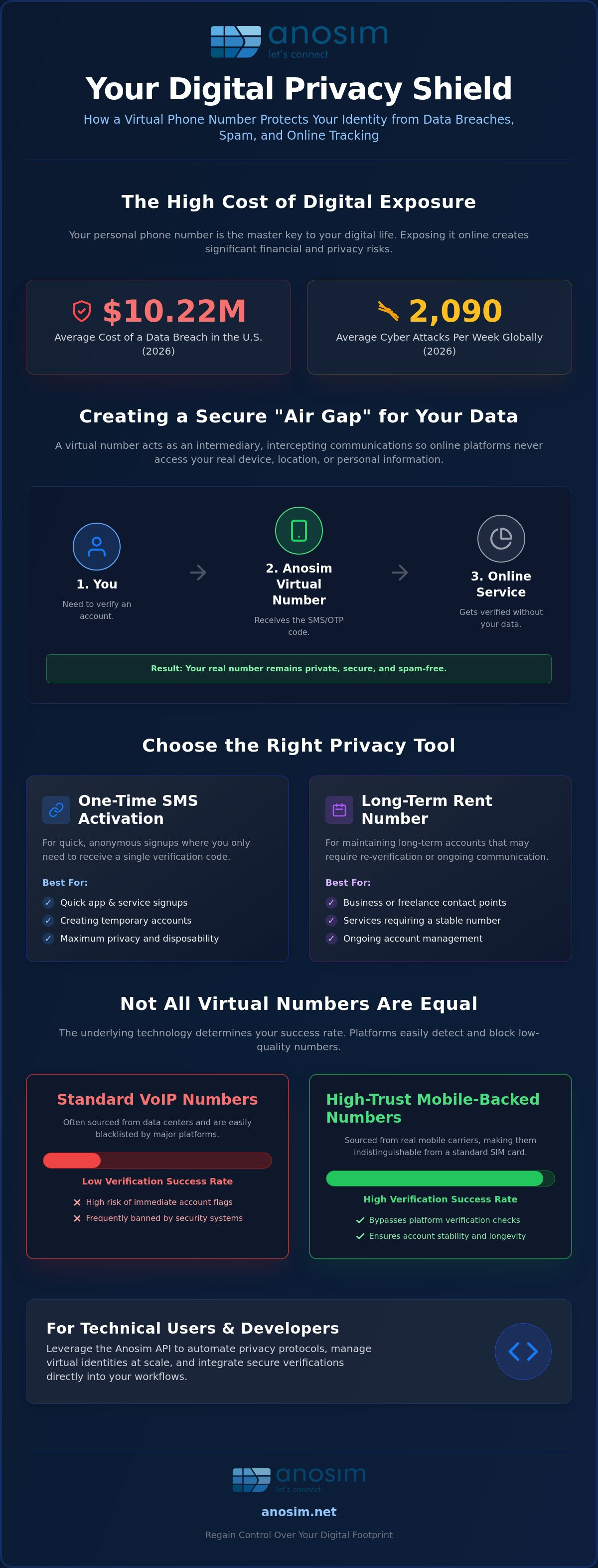
Your phone number has become the "master key" for your Personally Identifiable Information (PII). It's a unique identifier that links your banking, healthcare, and social media data into a single, searchable profile. With global cyber attacks rising to an average of 2,090 per week in 2026, providing your primary SIM number to every app signup is a high-risk maneuver. If one platform suffers a breach, your primary number becomes a liability that can be used to track you across the entire web. The average cost of a data breach has climbed to $4.88 million globally, and your personal data is the primary target in these incidents.
Adopting a "disposable identity" strategy is the most efficient way to manage this risk. Instead of using a permanent number for every interaction, you can deploy temporary numbers for specific tasks. This approach ensures that if a service sells your data or gets hacked, the compromised number leads back to a virtual endpoint rather than your personal life. It's a pragmatic shift from being a passive target to an active manager of your digital footprint.
Why Your Real Number is a Security Risk
Linking every facet of your life to one SIM creates a single point of failure that hackers are eager to exploit. Data brokers actively purchase contact lists from apps to build comprehensive dossiers on your habits, locations, and associations. A SIM swapping attack occurs when a malicious actor tricks a carrier into transferring your mobile service to their device, allowing them to bypass two-factor authentication on your most sensitive accounts. Using a virtual phone number for privacy protection eliminates this vulnerability by decoupling your financial and social accounts from your physical SIM card.
The Spam and Harassment Factor
Most "free" platforms treat your contact information as a product to be sold to the highest bidder. This results in a cycle of relentless telemarketing that the National Do Not Call Registry is no longer equipped to handle in 2026. Using a virtual number for these signups keeps your primary device silent and secure. You gain the psychological benefit of a phone that only rings when someone you actually know is calling, while all automated spam is relegated to a controlled, virtual environment. It's about regaining control over your time and your attention.
How Virtual Phone Numbers Protect Your Digital Footprint
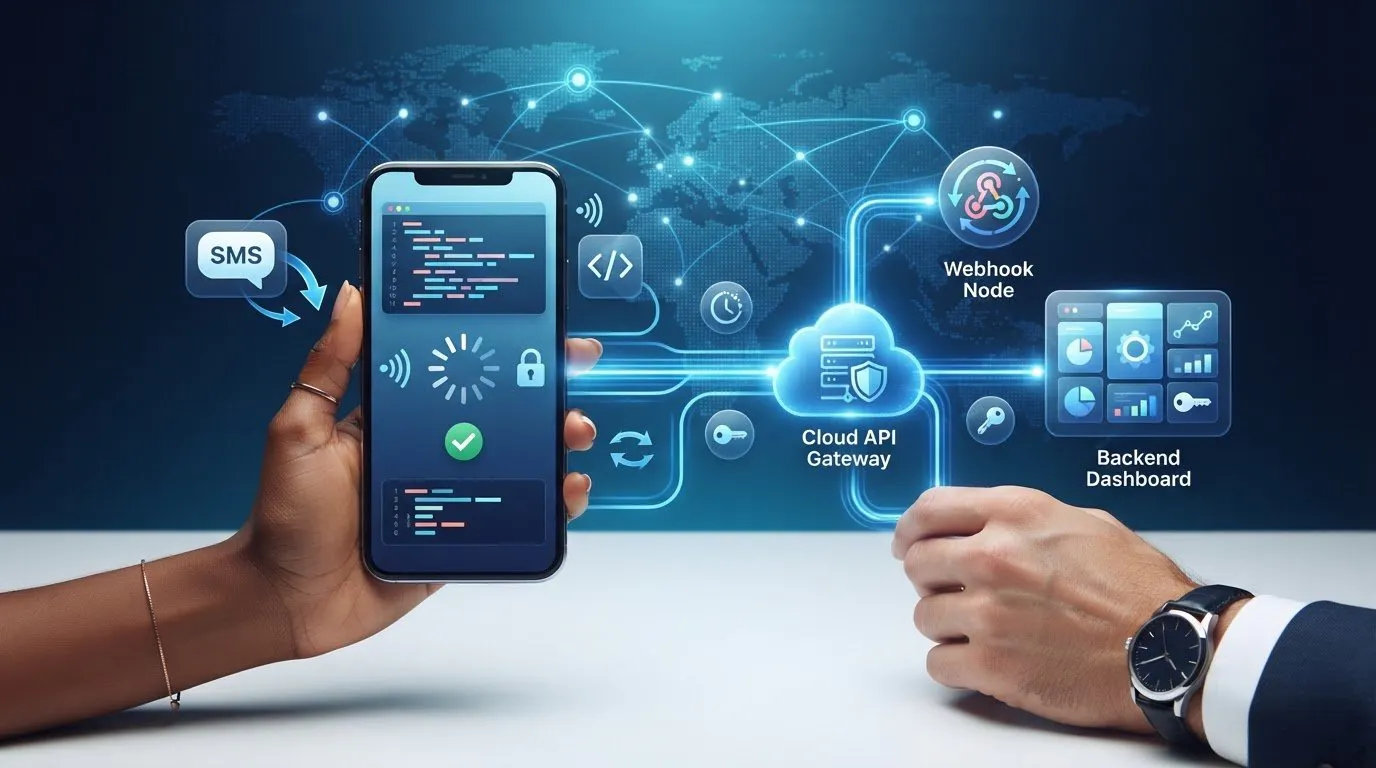
The technical foundation of a virtual phone number for privacy protection relies on cloud-based routing rather than physical hardware. While a traditional SIM card is physically tethered to a specific device and carrier contract, a virtual number exists as a software layer. This allows for sophisticated redirection of data. Understanding how virtual phone numbers work reveals that incoming messages are intercepted by a server and then forwarded to your chosen interface. This process ensures that the platform you're signing up for never sees your actual device ID or location data.
One of the most common applications is inbound SMS activation for one-time passwords (OTP). When you request a verification code, the virtual server receives the text and displays it in your dashboard. This creates a secure "air gap" between the service provider and your personal phone. For ongoing needs, a Rent Service provides a stable, long-term identity that functions identically to a standard mobile line but without the associated PII. It's a pragmatic solution for maintaining account access without tethering your identity to a physical card.
There is a lingering misconception that a virtual phone number for privacy protection is primarily for "sketchy" or illicit activities. In reality, these are essential tools for professional privacy and operational security. Remote workers, journalists, and security-conscious individuals use them to separate their public and private personas. It's a standard tool for anyone who values data hygiene and wants to avoid the vulnerabilities inherent in centralized mobile identities.
SMS Activation vs. Permanent Virtual Numbers
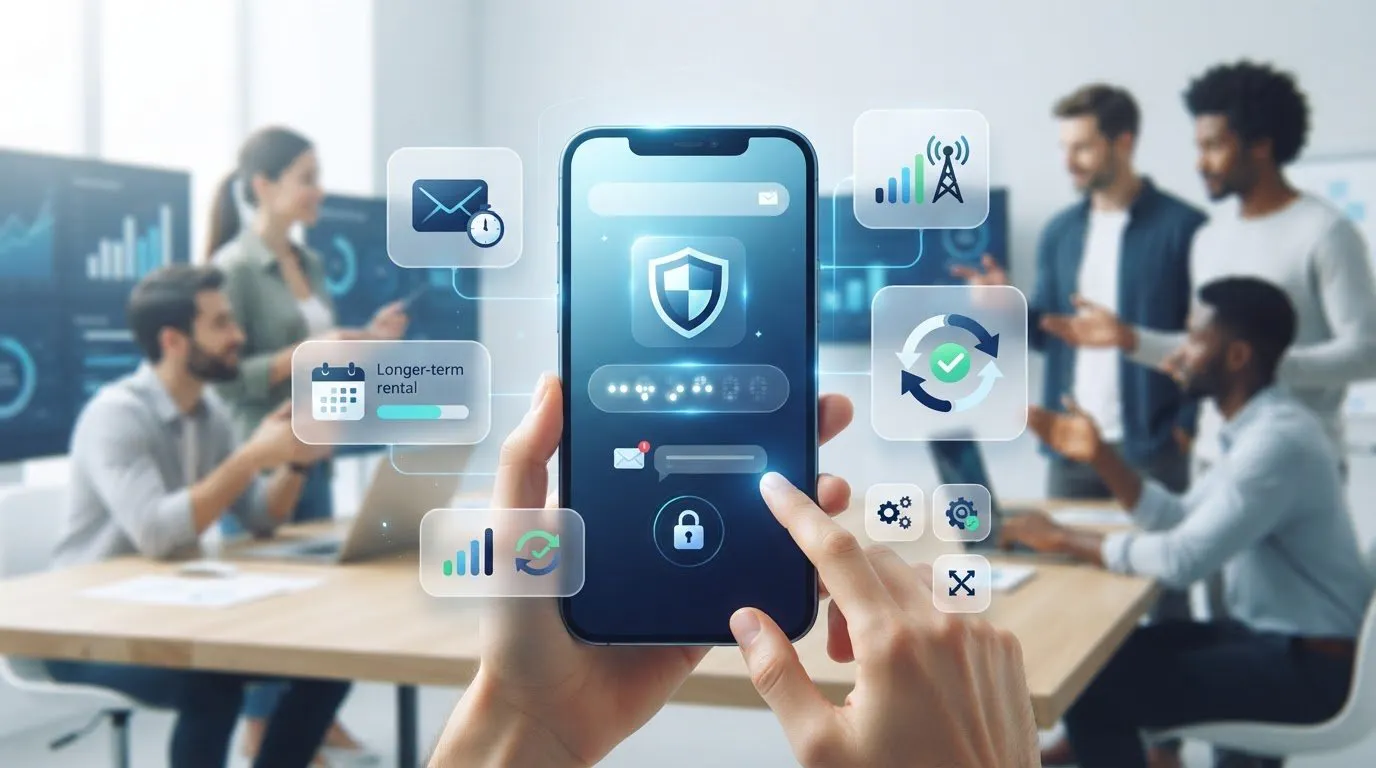
Choosing between a temporary activation and a long-term rental depends on your specific use case. If you only need to bypass a single signup wall, a one-time activation is the most cost-efficient choice. However, if you plan to use the account daily, you should rent a number for an extended duration. This ensures you can receive future security codes or password reset prompts, which is critical for long-term account stability.
Mobile VoIP: The Professional Privacy Standard
Not all virtual numbers are created equal. Standard VoIP numbers are often flagged or blocked by high-trust platforms because they're easily identifiable as "internet numbers." Professional Mobile VoIP services use numbers backed by mobile infrastructure. This significantly increases success rates for verification on strict apps. By choosing to rent mobile VoIP through a high-utility provider like Anosim, you gain access to a stable identity that apps treat with the same trust as a physical SIM. This technical robustness is what separates enterprise-grade privacy tools from basic consumer apps.
Choosing the Right Privacy Tool: VoIP vs. Mobile-Backed Numbers
Selecting a virtual phone number for privacy protection isn't a one-size-fits-all decision. The effectiveness of your digital shield depends on the technical reputation of the number you choose. High-security platforms have evolved to identify the underlying infrastructure of incoming verification requests. If you use a low-tier number, you risk immediate account flags. You must match your tool to the specific security threshold of the service you're trying to access.
The distinction between technical tiers is often the difference between a successful signup and a permanent ban. While basic VoIP services are useful for low-stakes interactions, professional-grade privacy requires mobile-backed infrastructure. This is especially true in 2026, as the FCC has implemented stricter disclosure requirements for VoIP providers to curb automated misuse. These regulations mean that "cheap" numbers are more transparent to platform filters than ever before.
The "VoIP Blacklist" Problem
Major platforms like Tinder and Telegram maintain real-time databases that categorize phone numbers into two primary types. Type 1 numbers are "Fixed VoIP" lines, typically associated with business landlines or basic internet calling apps. Type 2 numbers are "Mobile VoIP" lines that are registered through actual mobile carrier ranges. When a platform detects a Type 1 number, it often triggers an automatic block because these numbers are frequently used for mass-botting. To ensure success on strict platforms, your strategy should always prioritize Mobile VoIP rentals that mirror the technical signature of a physical SIM card.
Mobile Proxies: The Missing Piece of Privacy
A phone number is only one half of your digital identity. Platforms also analyze your IP address during the verification process to ensure it matches the geographic origin of your number. If you use a US-based virtual number while your traffic originates from a standard data center IP, your account will likely be shadowbanned. Mobile proxies solve this by routing your data through real mobile networks, providing you with an IP address from a legitimate cellular carrier range.
- Trust Levels: Mobile proxies provide the highest level of trust because they share IP pools with thousands of real mobile users.
- Geographic Consistency: You can match your proxy location to your virtual number's area code for a seamless technical profile.
- Bot Mitigation: Platforms are less likely to flag accounts created through mobile proxies since blocking these IPs would affect thousands of legitimate customers.
Using a mobile proxy prevents shadowbanning during account creation by making your hardware appear as a standard mobile device on a cellular network. When combined with a high-trust virtual number, this creates a robust, professional-grade privacy setup that is nearly indistinguishable from a traditional mobile user. This integrated approach is the only way to maintain complete control over your digital footprint in an increasingly regulated environment.
Step-by-Step: Securing Your Accounts on Tinder, Telegram, and More
Transitioning from technical theory to practical execution requires a methodical approach. To deploy a virtual phone number for privacy protection effectively, you must first determine the lifecycle of the account you're creating. If you're performing a one-time verification for a low-priority service, a standard SMS Activation is sufficient. However, for platforms where you intend to maintain a long-term presence, utilizing a Rent Number service is the only logical choice to ensure you can receive future security prompts.
Success begins with selecting a geographic location that aligns with your target service. If you're signing up for a US-based platform, using a US virtual number reduces the likelihood of technical flags. Once you've selected your number on the Anosim dashboard, input it into the app's registration field. The inbound SMS will appear in your private console. After entering the code, you must immediately enable two-factor authentication (2FA) within the app settings. This step is critical. It secures your account against unauthorized access even if you eventually release the virtual number.
Bypassing Tinder Phone Verification Safely
Tinder uses aggressive filtering to prevent botting and duplicate profiles. To succeed, you must use a fresh, never-before-used virtual number. Reusing a number that has been previously flagged will result in an instant shadowban. For dating apps, a long-term rental is superior to a one-time activation. Tinder frequently triggers re-verification checks if it detects suspicious login patterns or hardware changes. Having a persistent Rent Service allows you to clear these hurdles without losing your matches or profile data.
Securing Telegram and WhatsApp for Anonymity
Telegram and WhatsApp are designed to sync with your phone's contact list, which often exposes your real identity to anyone who has your primary SIM number. By using a virtual phone number for privacy protection, you decouple your chat history from your physical identity. Combine this with Telegram’s Secret Chat feature for end-to-end encryption that leaves no trace on servers. A common error is losing access to the virtual number while 2FA is active. Always ensure your Rent Number is active or that you have backup recovery codes stored in a secure password manager.
If you're ready to shield your personal data from invasive platforms, you can get a virtual number for verification today and take full control of your digital footprint.
Professional Privacy Management with Anosim
Anosim functions as a silent partner in your digital operations. It provides the technical infrastructure required to manage anonymity without the fluff of consumer-facing marketing apps. The platform is built for those who require a high-utility virtual phone number for privacy protection across multiple accounts simultaneously. One of the most significant security advantages is the inbound-only nature of the service. Since Anosim does not offer outgoing SMS or voice calls, there is zero risk of accidental data leaks or "phone home" signals from your virtual identity. This technical focus ensures that your primary device remains isolated from the platforms you access.
Access to international numbers provides a distinct privacy win. You can deploy numbers from various global regions to match your specific operational needs, ensuring that your digital footprint remains decentralized. This global coverage is essential for users who find limited, single-region consumer tools insufficient for their requirements. It allows for a level of operational flexibility that traditional SIM cards cannot match.
API Integration for Developers and Power Users
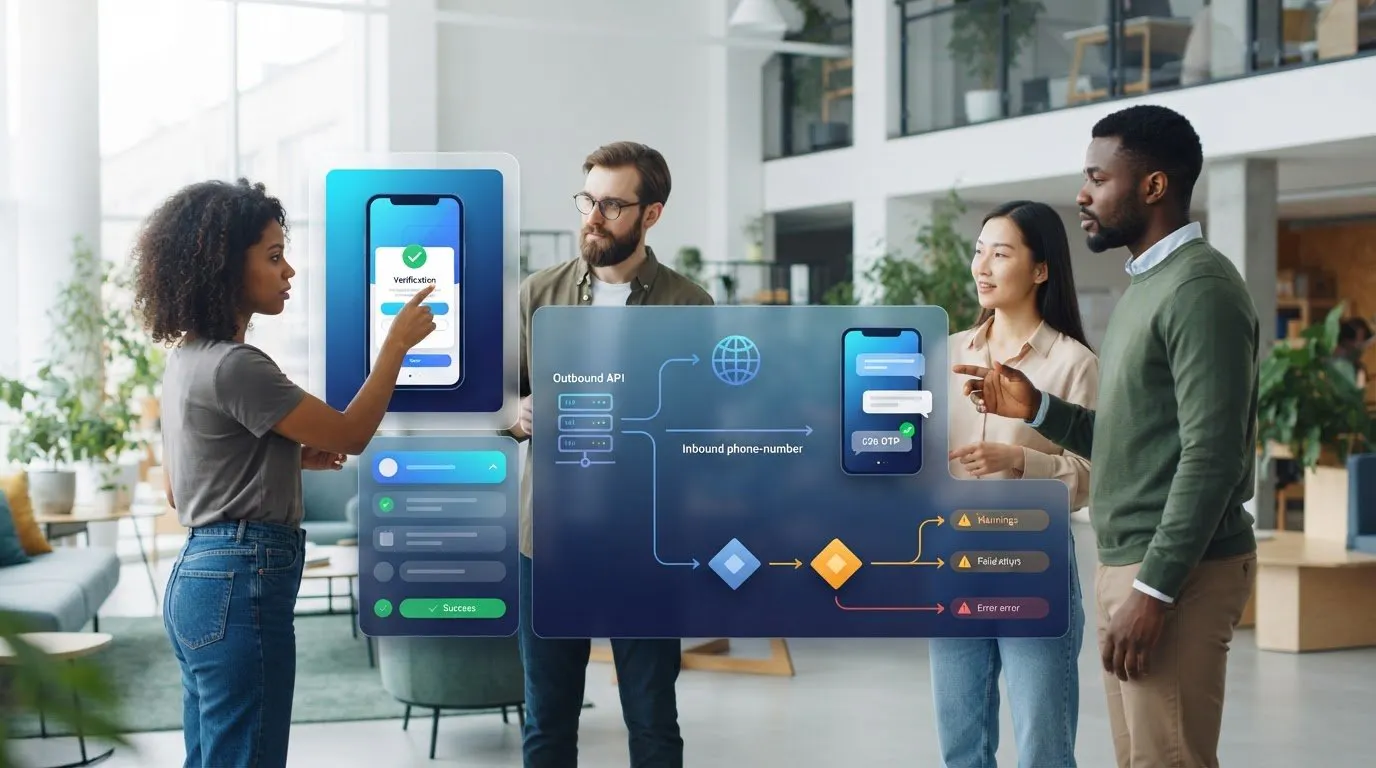
For those managing privacy at scale, the Anosim API (v1) provides a robust framework for automation. The service is also fully compatible with the SMS-Activate Standard API; this allows you to integrate these tools into your existing software workflows seamlessly. This programmatic approach is ideal for developers who need to manage dozens of private identities without manual intervention. It works efficiently. The system is robust.
Reliability is further enhanced through the Mobile Proxies of our partner proxied.com. These proxies provide "Clean IPs" by routing your traffic through legitimate mobile carrier networks. This ensures that your technical signature remains consistent across both your IP address and your virtual phone number for privacy protection. By using these tools in tandem, you eliminate the common technical discrepancies that lead to account restrictions. It is a pragmatic solution for high-volume tasks.
Getting Started with Your First Private Number
The onboarding process is designed for efficiency and discretion. You can sign up on Anosim without answering invasive personal questions that compromise the very privacy you are trying to protect. The dashboard is highly organized. It allows you to categorize your SMS activations and Rent Service subscriptions by country or platform. Everything is built for speed.
Whether you need a quick SMS Activation for a one-time verification or a long-term Rent Number for persistent account access, the interface is methodical. You can top up your account using various secure methods to maintain a high level of anonymity. It is a sophisticated toolset for those who prioritize technical robustness over flashy branding. The process is direct. The results are reliable.
Protect your identity today with Anosim virtual numbers and take the final step in securing your digital presence.
Secure Your Digital Identity for 2026 and Beyond
Decoupling your personal SIM from digital platforms is a technical necessity in an era of escalating data breaches. You've learned how to deploy a virtual phone number for privacy protection to create a secure isolation layer between your personal life and the internet. By prioritizing high-trust Mobile VoIP and mobile proxies, you can ensure successful account verification on even the most restrictive platforms without risking your primary identity.
Anosim provides the API-driven professional infrastructure needed to manage these tasks with precision. Whether you require global SMS activation coverage for one-time signups or long-term rentals for persistent accounts, the platform functions as a silent partner in your digital security strategy. You can now operate with the confidence that your PII is no longer a single point of failure. The system is built for reliability.
Protect your primary number from data leaks; get a private virtual number on Anosim now. Taking control of your digital footprint is a pragmatic step toward long-term operational security. Start building your private identity today.
Frequently Asked Questions
Is it legal to use a virtual phone number for privacy protection?
Virtual phone numbers are legal in most jurisdictions provided they're issued by licensed carriers and used for lawful purposes. As of December 18, 2025, the FCC extended certification and disclosure requirements to all interconnected VoIP providers. This regulatory framework ensures that using a virtual phone number for privacy protection is a recognized and legitimate method for managing your digital footprint while complying with modern telecommunications laws.
Will a virtual number work for Tinder or Telegram verification?
Success on platforms like Tinder or Telegram depends entirely on the technical tier of the number you choose. Standard internet-based numbers are often flagged by automated security filters and blocked immediately. To ensure verification success, you should utilize high-trust Mobile VoIP rentals that mirror the technical signature of a real mobile line. This technical robustness allows you to bypass verification walls that typically block cheaper alternatives.
Can I receive SMS from any country using a virtual number?
You can receive inbound SMS from a wide range of international territories through a professional provider. Anosim provides global coverage for SMS activations, allowing you to select numbers from specific countries to match the requirements of the service you're accessing. This flexibility is essential for bypassing geographic restrictions or ensuring that your account appears localized to a specific region for higher trust scores during signup.
What is the difference between a temporary and a rental number?
A temporary number, or SMS Activation, is designed for a single inbound message and expires shortly after the code is received. In contrast, a Rent Number service provides you with exclusive access to a line for a week, a month, or longer. Use activations for low-priority signups and rentals for services where you might need to re-verify your identity or reset a password in the future.
Do virtual numbers protect me from SIM swapping attacks?
Virtual numbers effectively mitigate the risk of SIM swapping because they aren't tied to a physical SIM card that a carrier can transfer. In a typical attack, a hacker tricks a provider into porting your number to their device to intercept 2FA codes. By using a virtual phone number for privacy protection, you decouple your sensitive accounts from your physical hardware, making it impossible for attackers to hijack your service through social engineering.
How do I manage multiple virtual numbers for different apps?
You can manage multiple identities through a centralized dashboard or programmatically via the Anosim API (v1). The dashboard allows you to categorize your active rentals and activations by service or country for better organization. For power users or developers, the API enables the automated creation and management of dozens of private lines, ensuring operational efficiency when handling a large and complex digital footprint.
What happens if I lose access to a temporary verification number?
If you lose access to a temporary activation number, you won't be able to receive future verification codes for that specific account. This can lead to a permanent lockout if the app triggers a security check or if you need to reset your password. For any platform that you use daily or that holds sensitive data, you should use a long-term rental service to maintain persistent access.
Can apps detect that I am using a virtual phone number?
Apps can detect virtual numbers if the service uses "Fixed VoIP" ranges that are publicly indexed in telecommunications databases as business lines. However, professional services use Mobile VoIP infrastructure that is registered as a standard mobile line. When you combine these high-trust numbers with mobile proxies, your technical profile becomes virtually indistinguishable from a traditional mobile user, reducing the chance of being flagged by security algorithms.