Your "free" burner number isn't just unreliable; it's likely the reason your account was flagged before you even finished the registration. While searching for a disposable number for app signup, most users land on public sites where every SMS is visible to the world and every digits-set is already blacklisted by major platforms. It's frustrating to wait for an OTP that never arrives, only to find your identity is compromised because you used a recycled VoIP string that hundreds of others have already burned.
We understand that digital anonymity shouldn't come at the cost of operational efficiency. This article breaks down why standard virtual numbers fail modern security filters and how private SMS activations provide a reliable path to successful registrations. You'll learn the difference between public logs and secure rentals, the impact of 2026's stricter platform algorithms, and how to manage bulk accounts without risking immediate bans. By shifting to professional infrastructure, you can finally secure your digital footprint without the constant fear of losing access to your critical accounts.
Key Takeaways
- Learn why modern apps use phone numbers as trust anchors and why standard email-based registration is no longer sufficient for account security.
- Understand the technical distinction between blacklisted VoIP strings and real mobile numbers to prevent immediate account restrictions or bans.
- Identify the security vulnerabilities of public SMS logs that expose your private verification codes and leave your accounts open to hijacking.
- Master the specific workflow for using a disposable number for app signup by pairing private SMS activations with the high-trust mobile proxies of our partner proxied.com.
- Discover how professional API integrations and private activation services provide the infrastructure needed for secure, high-volume account management.
Table of Contents
- Why Every App Demands a Phone Number in 2026
- Myth vs. Reality: Are All Disposable Numbers Created Equal?
- The Dangerous Security Risks of Free Public SMS Receivers
- How to Successfully Use a Disposable Number for App Signups
- Choosing the Right Tool: Anosim's Professional SMS Solutions
Why Every App Demands a Phone Number in 2026
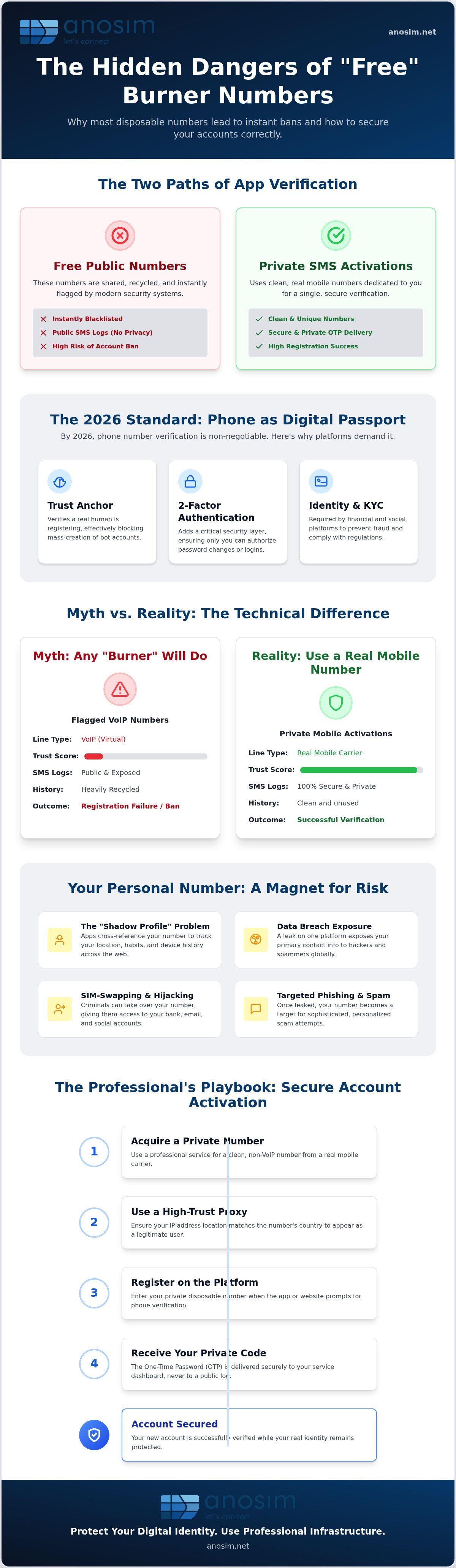
The digital landscape has fundamentally shifted. A few years ago, a simple email address was enough to access most platforms; by 2026, this is no longer the case. Apps now use your phone number as a primary trust anchor to verify that a user is a real human rather than an automated script. This transition occurred because email accounts are too easy to generate in bulk. Phone numbers require a connection to a telecommunications network, which provides a layer of friction that prevents mass bot registration.
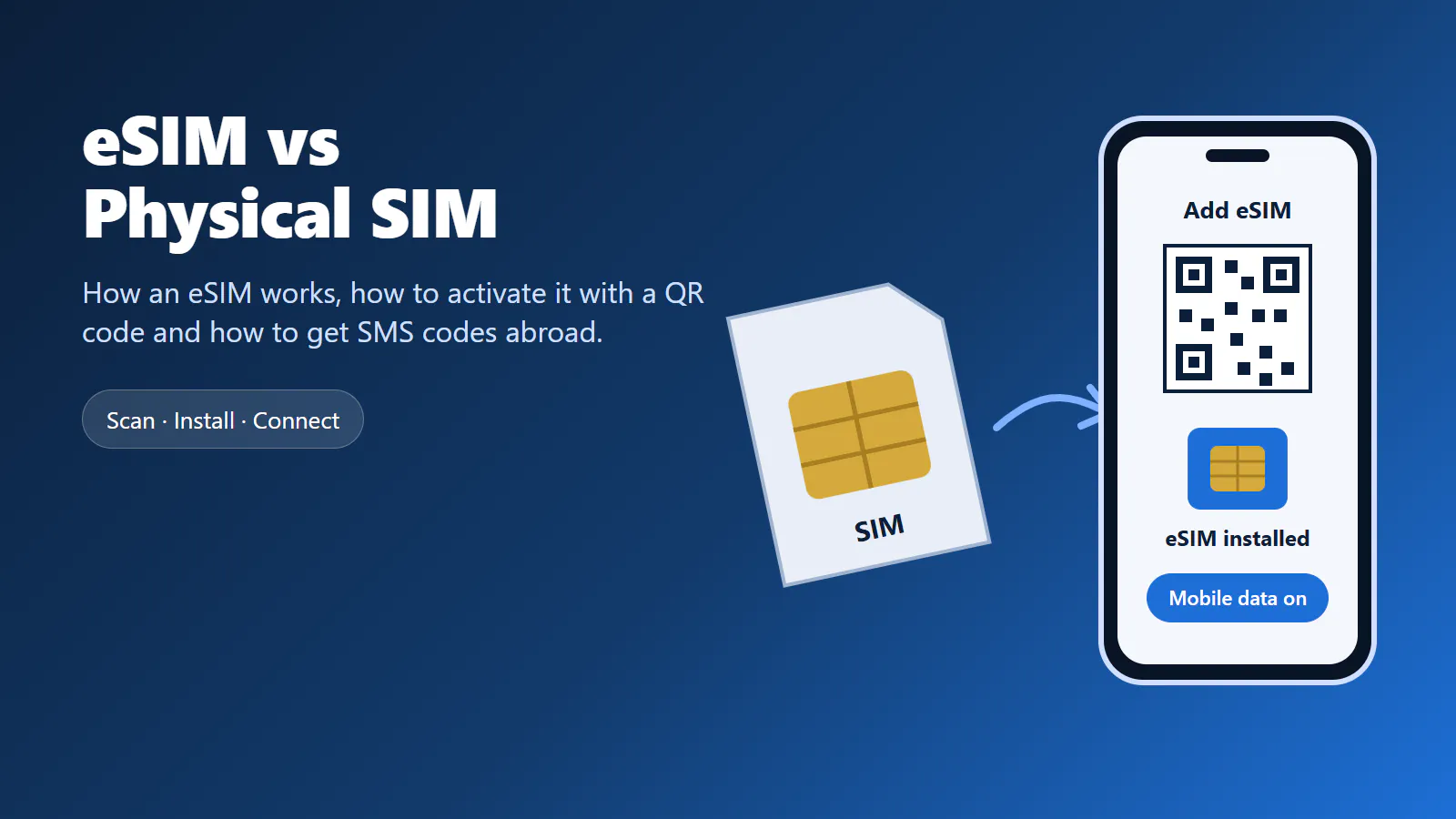
When you search for a disposable number for app signup, you're seeking a temporary digital asset designed to bypass this verification hurdle while maintaining your anonymity. To understand the mechanics behind these tools, it's useful to understand what a virtual number is and how it functions without a physical SIM card. A disposable number provides the same verification capability as a traditional line but exists only long enough to receive a specific code, protecting your permanent identity from being indexed.
The Rise of Mandatory Phone Verification
Social media platforms and fintech services are the primary drivers of this change. They use phone numbers to enforce strict KYC (Know Your Customer) standards and prevent fraudulent activity. Beyond simple account access, these numbers facilitate 2-Factor Authentication (2FA), ensuring that only the legitimate owner can authorize sensitive transactions or password changes. Phone-as-Identity has become the global standard for 2026 digital security, effectively turning your mobile number into a mandatory digital passport for the internet.
The Privacy Trade-off: Why Your Real Number is a Risk
Handing over your personal number for every signup creates a "Shadow Profile" problem. Even if you don't provide your real name, apps can cross-reference your number with existing marketing databases. This allows them to track your physical location, device history, and consumer habits without your explicit consent. Your number acts as a persistent identifier that follows you across the web.
The risk escalates during data breaches. If a single platform you've registered with leaks its database, your primary contact information becomes public property. Hackers use these leaks to coordinate SIM-swapping attacks or targeted phishing campaigns. Using a disposable number for app signup breaks this link, ensuring that a breach on one platform doesn't compromise your entire digital life. Learn how to protect your private number from data leaks by using dedicated activation services instead of your personal line.
Myth vs. Reality: Are All Disposable Numbers Created Equal?
Many users assume that any "free" number found online will suffice for a disposable number for app signup. This is a costly misconception. Free services typically utilize shared VoIP (Voice over Internet Protocol) ranges that have been cycled through thousands of users. By 2026, major platforms like OpenAI, Google, and Tinder have integrated advanced lookup databases to identify these ranges instantly. If a number is flagged as virtual, the app will either block the registration or shadow-ban the account shortly after creation. This results in a "dead on arrival" account that wastes your time and resources.
The technical gap between a standard VoIP string and a real mobile-sourced number is significant. While virtual numbers are convenient, they often carry the inherent security risks of SMS, including susceptibility to interception and lack of carrier-level authentication. High-trust platforms demand numbers that appear on the North American Numbering Plan (NANP) or local equivalent as "Wireless" or "Mobile" rather than "VoIP." Anosim bridges this technical gap by providing activations sourced from legitimate mobile pools, ensuring your signup doesn't hit a digital wall. If you need immediate results, you can start a private SMS activation to secure your next account safely.
VoIP vs. Non-VoIP: The Hidden Filter
Databases managed by industry giants like Twilio or Nexmo categorize every phone number by its line type. Apps query these databases in real-time during the signup process. If the response identifies the number as virtual, the registration fails. Utilizing a disposable number for app signup that originates from a real mobile carrier bypasses these filters. It provides the same level of trust as a physical SIM card without the need for hardware. This is why professional users avoid public "burner" sites; those numbers are pre-flagged in almost every commercial database.
Disposable vs. Long-Term Rentals
Choosing between a one-time activation and a rental depends on your specific use case. A one-time activation is ideal for receiving a single verification code to unlock a service quickly. However, if an app requires periodic 2FA or account recovery checks, a temporary activation may leave you locked out later. For professional or high-stakes accounts, you should explore dedicated virtual numbers for long-term use to maintain persistent access. This ensures that you aren't just bypassing a signup screen, but building a sustainable digital presence.
The Dangerous Security Risks of Free Public SMS Receivers
Free "burner" sites often market their public logs as a feature of transparency. In reality, these logs are a critical security failure. When you use a free disposable number for app signup, your verification code appears on a public webpage that anyone can refresh. This visibility allows malicious actors to monitor incoming traffic for specific services like Telegram, WhatsApp, or banking apps. If a stranger sees your code, they can immediately attempt to hijack your session or use the "Forgot Password" feature to take over the account you just created.
The risk isn't limited to immediate theft. Many public numbers are recycled so frequently that they're already blacklisted by major platforms. If you try to register a new Tinder or WhatsApp account, you might find the number is already banned or tied to a previous user's suspicious activity. Scammers also use automated scripts to scrape these public sites, harvesting codes and linking them to metadata for future phishing attempts. This environment contradicts the FTC best practices regarding secure multi-factor authentication, as the "second factor" is essentially public knowledge. When security is shared, it's no longer security.
The Hijacking Scenario: A Step-by-Step Warning
Consider a typical registration flow. You enter a public number on a messaging app and wait for the code. While you're copying the digits from the public log, a bot is doing the same. Because these apps often allow the same number to be used for account recovery, the malicious actor can wait until you've set up your profile and then trigger a password reset. Since they have access to the same public SMS feed, they receive the reset code and lock you out. Using a free disposable number for app signup often means you aren't the customer; you're the source of a fresh account that can be sold to data brokers or used for spam. If you're using a public line for sensitive services, a hijacker doesn't need your password if they can simply "recover" it via a public SMS log.
Why Apps Ban Public Disposable Numbers
App algorithms are designed to detect patterns of abuse. When hundreds of different accounts register from the same phone number or the same range of IP addresses, it triggers a "Suspicious Activity" flag. These shared numbers carry a toxic reputation because they've been used by bad actors for botting, harassment, or mass-spamming. App developers invest millions into device fingerprinting and behavioral analysis. They know that a legitimate user doesn't share a phone number with 500 other people across three continents. Once a number is flagged, every subsequent account linked to it is either immediately restricted or placed under heavy scrutiny. Shared numbers are the #1 cause of instant account bans in 2026.
How to Successfully Use a Disposable Number for App Signups
Achieving a successful registration on high-security platforms requires a methodical approach that extends beyond simply obtaining a number. To use a disposable number for app signup effectively, you must create a digital environment that mirrors a genuine mobile user. This involves aligning your network identity with your virtual assets to avoid triggering automated fraud detection systems. If the platform detects a mismatch between your device data and your provided number, the account will likely be restricted before you even see the dashboard.
- Step 1: Secure a Private Activation. Select a professional service like Anosim to ensure your verification code isn't broadcast on a public log. Private activations guarantee that the number is dedicated to your specific request for the duration of the signup process.
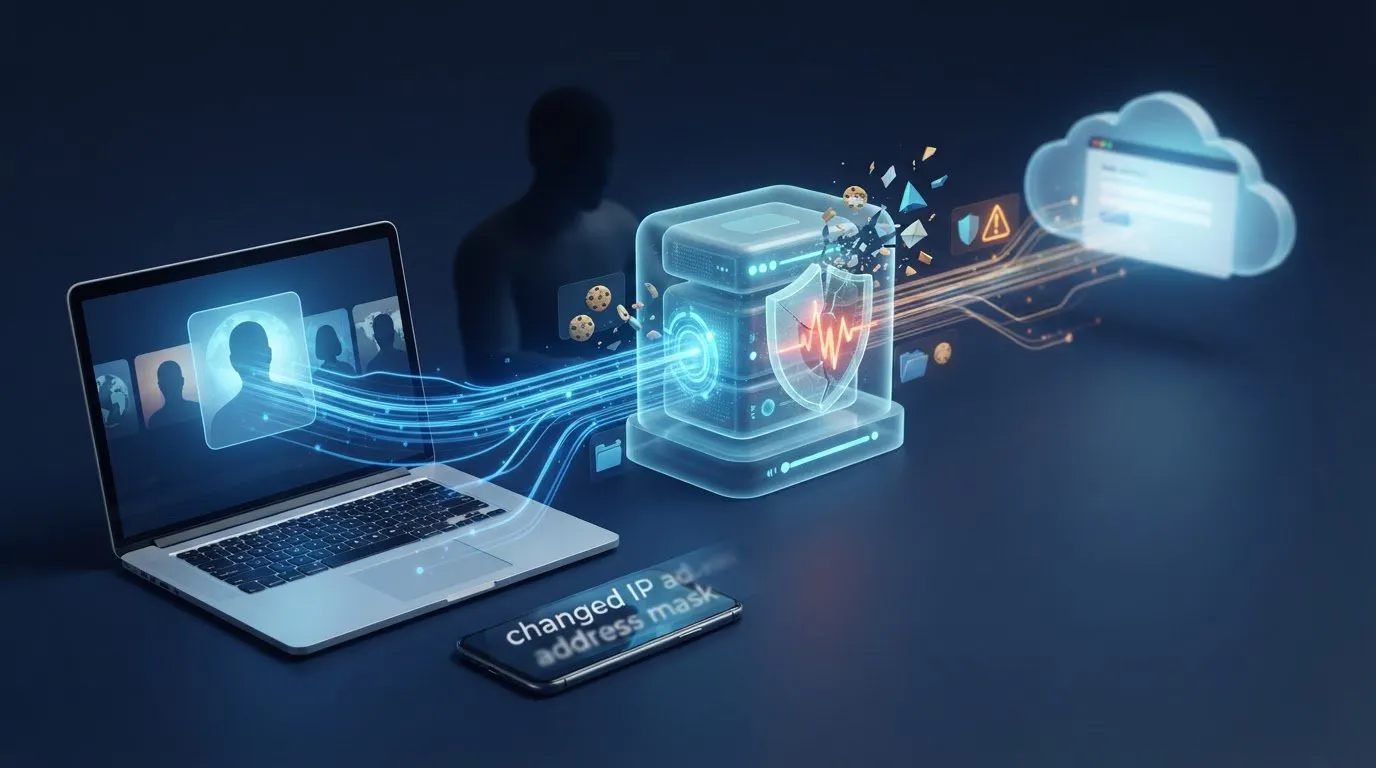
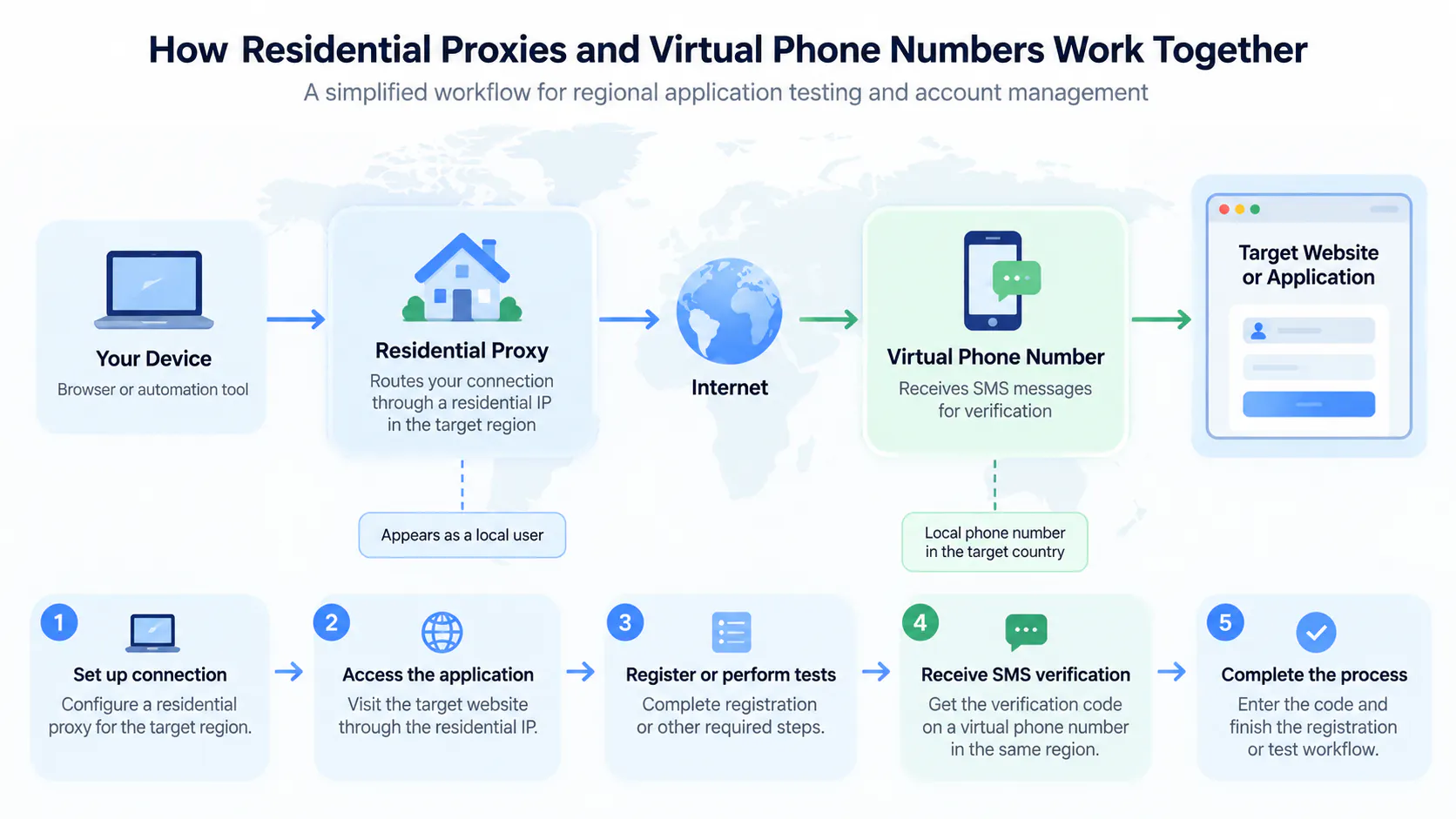
- Step 2: Align Your Network Identity. Use the mobile proxies of our partner proxied.com to match your IP address to the country of the phone number. If you use a UK number while your IP originates from a different region, the app's security algorithm will flag the attempt as suspicious.
- Step 3: Sanitize Your Environment. Clear your app cache or use a fresh browser profile. Apps often store "fingerprints" of previous failed attempts or banned accounts; starting with a clean slate is mandatory for success.
- Step 4: Execute within the Window. Once you request the code, complete the verification immediately. Most activation windows are time-sensitive to maintain security and prevent session timeouts.
Bypassing Aggressive Filters (Tinder, Telegram, WhatsApp)
Platforms like Tinder and Telegram employ some of the most sophisticated bot detection tools in the industry. Location consistency is the primary factor in bypassing these filters. If your connection data doesn't match the carrier data of the number, the registration will fail. Utilizing high-trust mobile proxies ensures that your traffic appears to originate from a legitimate cellular network rather than a data center. For those targeting specific platforms, you can follow this guide to bypassing Tinder phone verification safely. By maintaining a consistent technical profile, you significantly increase your success rate for any disposable number for app signup.
Troubleshooting Failed Verifications
Even with the best tools, technical friction can occur. If a code doesn't arrive on the first attempt, employ a "Wait and Retry" strategy rather than spamming the request button. Multiple rapid requests often trigger temporary IP bans. If the issue persists, switching to a different country or a different carrier pool within the activation service can often resolve the block. If you encounter specific errors, you should check our FAQ for common verification issues to find a technical solution. To ensure the highest success rates for your next project, you can browse our private SMS activation options to find a reliable number pool.
Choosing the Right Tool: Anosim's Professional SMS Solutions
Selecting a professional provider is the final step in securing your digital identity. Anosim offers a refined infrastructure for those who require a reliable disposable number for app signup. Unlike the public receivers that expose your data, this platform operates on a private model. Every code is delivered exclusively to the user who requested it. This exclusivity is the gold standard for maintaining account longevity and preventing the immediate bans associated with shared numbers. With global coverage spanning the US, UK, and over 90 regions, you can source numbers that match your specific geographic requirements. The pricing structure is designed for efficiency; you only pay for successful activations, which eliminates the financial risk of encountering "dead" or blacklisted numbers.
Developer-Friendly Verifications
For professionals managing large-scale operations, manual entry is not a viable path. Anosim facilitates automated workflows by allowing you to view our API documentation for developers and integrate the Anosim API (v1). The system is also compatible with the SMS-Activate Standard API. This allows developers to swap their existing infrastructure seamlessly without rewriting their entire codebase. Whether you're registering five accounts or five thousand, the API handles the request, retrieval, and verification process without manual intervention. This level of automation is essential for bulk account management and sophisticated software integration in 2026.
The Anosim Advantage: Privacy and Reliability
The core of the service is built on privacy and technical versatility. There are no public logs; your verification data is strictly confidential and visible only to you. Depending on the level of trust required by the target app, you can choose between Rent Mobile VoIP, SMS Activation, or long-term Rent Number options. This flexibility ensures maximum compatibility with everything from basic social platforms to high-security fintech applications that reject standard virtual strings.
By providing the necessary infrastructure for digital anonymity, Anosim acts as a silent partner in your operational success. It's a sophisticated toolset for users who value functionality and discretion above all else. You don't have to worry about recycled numbers or leaked codes. Start your secure app signup with Anosim today and move beyond the limitations of unreliable public burner numbers.
Securing Your Digital Future in 2026
The transition toward phone-based identity verification is permanent. Relying on public "free" services is no longer a viable strategy for anyone who values privacy or account stability. These shared numbers often trigger instant bans and expose your sensitive codes to the world. By choosing a professional disposable number for app signup, you bypass these technical hurdles and secure your accounts on your own terms.
Anosim provides the infrastructure needed for this transition. With private, non-public SMS logs and activations sourced from global mobile pools, you gain the same level of trust as a physical SIM. Developers can leverage API integration for bulk users, ensuring that high-volume tasks remain efficient and automated. It's time to stop fighting with blacklisted VoIP strings and start using tools designed for the modern web.
Get a Private Disposable Number for Your Next App Signup and regain control over your digital footprint. Your privacy is a priority, and with the right technical partner, it's entirely achievable.
Frequently Asked Questions
Can I use a disposable number for WhatsApp or Telegram signups?
Yes, you can use these for messaging apps, but a high-trust mobile-sourced disposable number for app signup is mandatory in 2026. Standard VoIP numbers often fail because these platforms have implemented strict filters against virtual strings to prevent botting. A private SMS activation ensures the code is exclusive to you, which is necessary for setting up 2FA and preventing unauthorized account hijacking by strangers monitoring public logs.
Why do apps like Tinder block most free disposable numbers?
Tinder blocks free numbers because they're typically identified as VoIP in global telecommunications databases. These numbers are recycled by thousands of users, leading to a toxic reputation that triggers fraud detection algorithms instantly. To bypass these filters, you need a number from a real mobile pool that hasn't been blacklisted. Professional services provide numbers classified as "Wireless" or "Mobile," which carry the same trust level as a physical SIM card.
Is it legal to use a virtual number for app verification?
Using virtual numbers for SMS verification is legal in most jurisdictions worldwide. These numbers are functional telecommunications assets provided by regulated carriers; they simply operate without a physical SIM card. You're still responsible for complying with the specific terms of service of the platform you're registering on. While it's legal to use these tools, some apps have internal policies that may restrict accounts created with certain temporary number types.
What is the difference between a temporary number and a virtual number rental?
A temporary number is designed for a single SMS activation, while a rental provides a dedicated number for a longer duration. Use a temporary activation for one-time signups where you don't expect future verification requests from the app. Choose a Rent Number service if the application requires periodic 2FA or if you need to maintain account recovery access over several weeks or months to ensure you aren't locked out.
How do I know if a disposable number is 'non-VoIP'?
You can verify a number's status by using a carrier lookup tool or checking the provider's source pool before purchase. Non-VoIP numbers are classified as "Wireless" or "Mobile" in the North American Numbering Plan (NANP). Professional services like Anosim specifically offer mobile-sourced activations to ensure compatibility with high-security apps. These platforms query lookup databases in real-time to auto-reject any number flagged as a standard virtual or landline string.
What should I do if the SMS verification code doesn't arrive?
If the code doesn't arrive, first verify that your IP address matches the geographic location of the phone number using mobile proxies. Apps often block OTP delivery if they detect a geographic mismatch between the device and the number. If the issue persists, wait a few minutes before retrying the request. You can also switch to a different carrier pool within the service to bypass local network congestion or specific platform blocks.
Can I reuse a disposable number if I get logged out of my app?
You generally cannot reuse a standard disposable number for app signup once the activation window has closed. These numbers are temporary by design to maximize user privacy and prevent data tracking. If you anticipate being logged out or needing future verification for account recovery, you should opt for a Rent Service. This allows you to keep the number active for a specified period, ranging from one day to a full year.
Are private SMS activations more secure than free public sites?
Private SMS activations are significantly more secure because the incoming codes are never displayed in a public log for others to see. On free sites, anyone can refresh the page, see your verification code, and hijack your account using the "Forgot Password" feature. Private services ensure that the data remains confidential between the carrier and your dashboard. This protection is essential for preventing data scraping and coordinating secure, long-term account management.